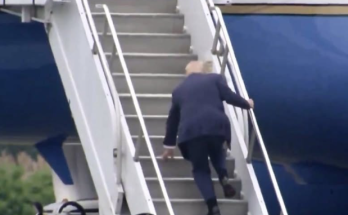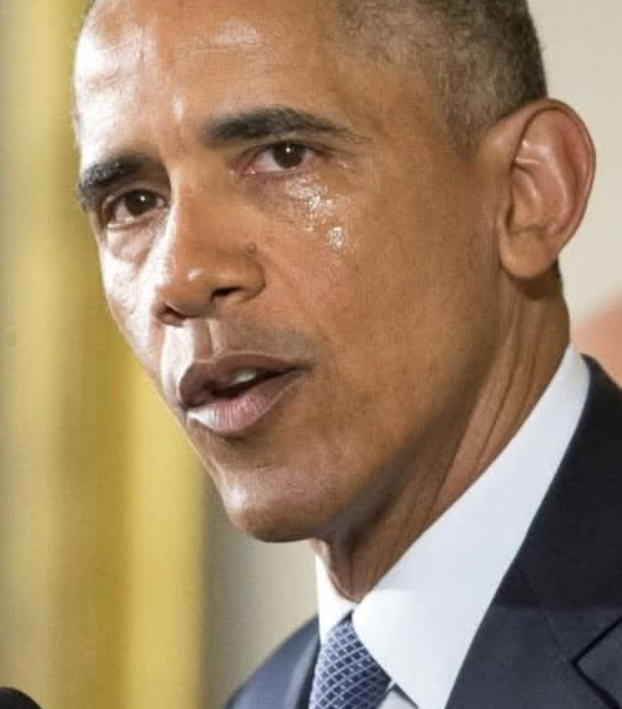
Headlines like “Obama breaks silence after Trump accuses him of…” are a classic example of modern political clickbait—designed more to provoke curiosity and engagement than to clearly communicate verified events. These types of phrases circulate widely across social media platforms, often without complete context, and they rely heavily on the reputations of well-known political figures such as Barack Obama and Donald Trump to generate attention.
In reality, when you see a headline structured this way—especially one that ends with “accuses him of…” without completing the sentence—it is usually a sign that the content is either speculative, heavily editorialized, or intentionally vague to drive clicks. The missing detail is not accidental. It is the entire strategy.
Why vague political headlines are so common
Political content is among the most shared material online, especially when it involves conflict between high-profile figures. The reason is simple: human attention is naturally drawn to tension, disagreement, and controversy. When a headline suggests that one major political figure is accusing another, it immediately activates curiosity and emotional engagement.
However, publishers that rely on engagement-based revenue models often take advantage of this by stripping away context. Instead of clearly stating what was actually said or done, they present fragments like:
- “Obama breaks silence…”
- “Trump accuses Obama of…”
- “SHOCKING response revealed…”
These fragments are intentionally incomplete. The goal is to make readers click through multiple pages or visit external sites to find out the rest of the story. In many cases, the “story” itself may not even contain new or verified information.
The importance of context in political communication
In real political reporting, statements from figures like Barack Obama or Donald Trump are typically delivered in full speeches, interviews, official statements, or social media posts. These original sources matter because context determines meaning.
For example:
- A short quote taken from a longer interview may change tone completely when isolated.
- A response to a reporter’s question may be framed as a “reaction” when it was part of a broader discussion.
- A political critique may be presented as a personal attack when it was policy-related.
Without context, even accurate quotes can become misleading.
This is why reputable news organizations prioritize full transcripts, verified recordings, and multiple-source confirmation before publishing claims about major political figures.
How misinformation spreads around political figures
When it comes to highly recognizable individuals like Barack Obama and Donald Trump, misinformation spreads more easily for several reasons:
- High name recognition
Both figures are globally known, which increases the likelihood that any headline involving them will be clicked or shared. - Strong emotional reactions
Political identities often trigger agreement or disagreement instantly, before facts are even checked. - Algorithm amplification
Social media platforms tend to promote content that receives high engagement, regardless of accuracy. - Fragmented information consumption
Many users see only headlines or short clips without reading full articles.
As a result, even vague or incomplete claims can travel far and fast before being verified or debunked.
What “Obama breaks silence” usually means in media language
The phrase “breaks silence” is another common journalistic cliché that often signals exaggeration rather than factual precision. In most real cases, it simply means:
- a public figure commented after a period of inactivity on a topic
- a previously unaddressed issue was finally acknowledged
- or a statement was made after media pressure
It does not necessarily mean secrecy, scandal, or dramatic revelation. However, when combined with political conflict framing—such as “after Trump accuses him”—it becomes far more sensational than informative.
Why the sentence feels like breaking news (even when it isn’t)
The structure of the headline is psychologically engineered:
- “BREAKS SILENCE” implies secrecy and importance
- “AFTER TRUMP ACCUSES HIM” implies conflict and urgency
- The missing detail creates suspense
This formula is effective because it creates what psychologists call a “curiosity gap”—the discomfort of not knowing something you feel you should know. The reader is then motivated to click, even if the source is unreliable.
The role of fact-checking in political reporting
In legitimate journalism, claims involving political leaders go through multiple verification steps before publication. These may include:
- confirming original statements from official transcripts
- verifying timing and location of remarks
- cross-checking with multiple independent outlets
- reaching out for official comment or clarification
If a claim cannot be confirmed, reputable outlets typically avoid publishing it altogether or clearly label it as unverified.
This is very different from click-driven content, where speed and engagement matter more than verification.
Why vague political accusations are risky
Even when no specific accusation is stated in the headline, the implication alone can be enough to shape public perception. Readers may assume:
- wrongdoing occurred
- a major scandal is unfolding
- one political figure is attacking another
This can influence opinions before facts are known, which is why vague framing is often considered a form of narrative manipulation in media studies.
Over time, repeated exposure to this type of content can also contribute to:
- increased political polarization
- distrust in institutions
- confusion about what is real versus speculative
How to interpret this kind of headline safely
When encountering a headline like:
“Obama breaks silence after Trump accuses him of…”
A careful reader should treat it as incomplete information rather than a confirmed event. The safest approach is:
- Look for the full article source
- Check whether a reputable news outlet is reporting it
- Search for the original statements attributed to the individuals
- Be cautious if the headline avoids specifics
If none of these checks confirm the claim, it is likely either exaggerated or misleading.
The broader lesson behind these headlines
The existence of such phrasing reflects a larger trend in digital media: attention-driven storytelling. In this environment, clarity is sometimes sacrificed for engagement. Political figures like Barack Obama and Donald Trump become central characters in ongoing narratives that are often shaped more by online algorithms than by verified events.
This does not mean that all political reporting is unreliable—far from it. Rather, it highlights the importance of reading critically and recognizing when a headline is designed to inform versus when it is designed to attract clicks.
Final perspective
In the end, headlines like “Obama breaks silence after Trump accuses him of…” should be approached with caution. Without a clear description of what was said, when it was said, and where it was reported, the statement remains incomplete and potentially misleading.
Understanding how these headlines are constructed helps readers become more resilient to misinformation and more capable of distinguishing between verified reporting and attention-driven speculation. In a media landscape filled with fast-moving content, that skill is increasingly essential.