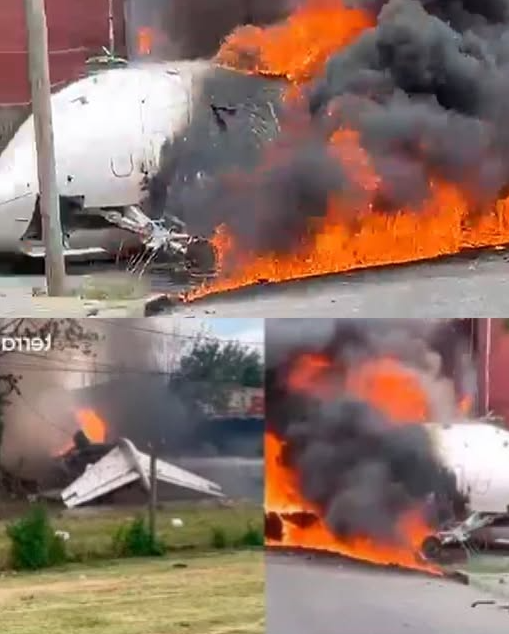
When a message like that appears—urgent, fragmented, and alarming—it’s designed to hit you before you have time to think. “RIGHT NOW,” “PLANE,” “CRASH”—those words carry weight. They trigger immediate concern, even fear. But the structure of the message itself is the first clue that something isn’t right.
Real breaking news about an aviation disaster does not appear in incomplete sentences with “See more” attached. It comes through multiple verified channels at once—major news networks, aviation authorities, and emergency services. These reports include specifics: the airline, the flight number, the location, the time, and official statements. Without those details, what you’re looking at is not confirmed information—it’s a claim.
That distinction matters.
Aviation incidents, especially those involving large numbers of passengers, are among the most closely monitored events in the world. Air traffic control systems track flights in real time. Organizations like the Federal Aviation Administration in the United States, as well as international aviation bodies, respond immediately to any loss of contact or emergency signal. Within minutes, credible information begins to surface from multiple sources.
So when a post says a plane with more than 244 people has “just crashed” but offers no verifiable details, no location, no airline, and no official confirmation, it raises serious doubts about its accuracy.
This doesn’t mean aviation accidents never happen. They do, and when they do, they are treated with the utmost seriousness. Investigations begin quickly, and updates are shared as facts become available. But those updates follow a pattern—clear, consistent, and sourced.
What you’re seeing in that message follows a different pattern entirely.
It uses urgency to override caution. The phrase “RIGHT NOW” creates a sense of immediacy, making it feel like you need to react instantly. The mention of a large number of people increases emotional impact. And the “See more” suggests that critical information is being withheld, encouraging you to click or share before verifying.
This combination is common in misleading or unverified posts.
Another important point to consider is how information spreads during real emergencies. If a major aviation incident had just occurred, you would likely see:
Multiple news outlets reporting the same event within minutes
Official statements from aviation authorities
Live coverage or updates as more details emerge
Consistent information across different sources
If none of that is present, and the claim exists primarily in isolated, vague posts, it is a strong indication that the information is either incomplete or not accurate.
It is also worth recognizing the emotional effect of these messages. Even if they turn out to be false, they can create real anxiety. People begin to worry about loved ones, about travel safety, or about broader risks. That emotional response can lead to rapid sharing, which spreads the message further—even without confirmation.
Taking a moment to pause can prevent that chain reaction.
Ask a few simple questions. Where did this information come from? Is there a specific flight mentioned? Are reputable news organizations reporting the same thing? If the answer to those questions is unclear or negative, it is best to treat the claim with caution.
In today’s digital environment, speed often comes at the expense of accuracy. Information moves quickly, but not all of it is reliable. Learning to recognize the difference is essential.
If you are genuinely concerned about aviation safety, there are reliable ways to stay informed. Official aviation authority websites, major news organizations, and airline announcements provide accurate and timely updates. These sources prioritize clarity and verification over urgency and speculation.
The key takeaway here is not to ignore potential risks, but to approach alarming claims with a balanced perspective. Being informed means relying on credible information, not reacting to every urgent message that appears.
Right now, based on available verified information, there is no widely confirmed report matching the claim you shared. That suggests the message is likely misleading, incomplete, or entirely false.
Remaining calm, asking questions, and seeking out verified sources are the best ways to respond. Fear based messages lose their impact when they are met with careful thought and a commitment to accuracy.
In moments like this, the most powerful thing you can do is pause before reacting. That pause creates space for clarity, and clarity is what turns confusion into understanding