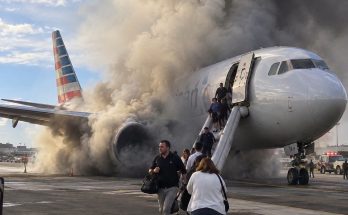
The message spreads quickly because it is designed to trigger fear before thought has a chance to intervene. It uses urgency, uncertainty, and a sense of hidden knowledge to pull people in. When someone reads a claim that something catastrophic will happen tonight, especially involving countries with a history of tension, the natural reaction is anxiety. That reaction is exactly what fuels the sharing of such messages across social media and private conversations.
In reality, information about any imminent attack on the United States would not appear first in vague posts or incomplete sentences. It would come from multiple verified sources, including government agencies, major news organizations, and official emergency systems. These systems are designed to alert the public quickly and clearly, without ambiguity. A real warning would include specific instructions, locations, and actions to take, not a dramatic teaser that ends with “see more.”
Misinformation thrives in environments where people feel uncertain. When global tensions rise, individuals begin searching for answers, and in that search, they may encounter content that appears urgent or exclusive. The human brain is wired to pay attention to threats, so even a poorly constructed claim can feel convincing if it taps into existing fears. This is why it is important to slow down and evaluate the credibility of what is being presented.
One of the key indicators of unreliable information is the lack of a clear source. Trustworthy reports identify where the information comes from, whether it is a government statement, a press briefing, or a recognized journalist. They provide context and avoid exaggerated language. On the other hand, misleading posts often rely on emotional wording, incomplete details, and a sense of secrecy to keep the reader engaged.
Another important factor is consistency. When a major event is about to occur, multiple independent sources will report similar facts. If a claim appears in only one place, especially in a format designed to provoke curiosity rather than inform, it is a strong sign that the information should be questioned. Cross checking information with reliable outlets can quickly reveal whether something is credible or not.
It is also helpful to consider how information flows during real emergencies. Authorities use established systems to communicate with the public, such as emergency alerts, press conferences, and official social media channels. These messages are clear and direct because their purpose is to protect lives. They do not rely on suspense or partial information. Understanding this difference can help people distinguish between genuine alerts and content that is created purely for attention.
The emotional impact of alarming claims should not be underestimated. Even when a message is false, it can cause stress, fear, and confusion. This can lead to unnecessary panic or the spread of further misinformation as people share the content without verifying it. Taking a moment to pause and assess the situation can prevent this chain reaction and help maintain a sense of calm.
Critical thinking plays a crucial role in navigating the modern information landscape. Asking simple questions such as who is reporting this, where did it originate, and whether other sources confirm it can make a significant difference. These questions create a barrier between the initial emotional reaction and the decision to believe or share the information.
It is also worth recognizing that misinformation is not always created with malicious intent. Sometimes it is the result of misunderstandings, rumors, or attempts to gain attention. However, regardless of the intention, the effect can still be harmful. Being mindful of how information is consumed and shared helps reduce the impact of such content.
In times of uncertainty, people often look for reassurance. Reliable information provides that reassurance by offering clarity and context. It does not exaggerate or manipulate emotions. Instead, it presents facts in a way that allows individuals to understand the situation and make informed decisions. Seeking out this type of information is the best way to stay grounded.
Staying informed does not mean consuming every piece of content that appears. It means choosing sources carefully and focusing on information that is verified and relevant. This approach not only reduces anxiety but also ensures that decisions are based on accurate understanding rather than speculation.
The rapid spread of information in the digital age has made it easier than ever for false claims to reach large audiences. However, it has also made it easier to verify those claims. Access to multiple sources, official statements, and expert analysis provides the tools needed to separate fact from fiction. Using these tools effectively is an essential skill.
Ultimately, the responsibility for managing the flow of information is shared. Individuals play a role by choosing what to believe and what to share. By approaching alarming claims with a balanced perspective and a willingness to verify, it is possible to reduce the influence of misinformation and maintain a clearer understanding of events.
Remaining calm and informed is the most effective response to any alarming message. Fear based content loses its power when it is met with careful thought and verification. By focusing on credible information and avoiding the impulse to react immediately, individuals can navigate even the most unsettling claims with confidence and clarity.
In the end, the difference between panic and understanding often comes down to a single decision. Whether to accept a message at face value or to pause and question it. That moment of reflection is what transforms confusion into awareness and prevents misinformation from taking hold