

Corn is one of the most widely grown crops in the world, but not all corn is created equal. Two of the most commonly discussed types—field corn and sweet corn—may look similar at first glance, yet they serve very different purposes, have distinct characteristics, and play unique roles in agriculture, industry, and everyday diets. Understanding their differences helps clarify why one ends up on your dinner plate while the other becomes fuel, feed, or ingredients in countless products.
🌽 What Is Field Corn?
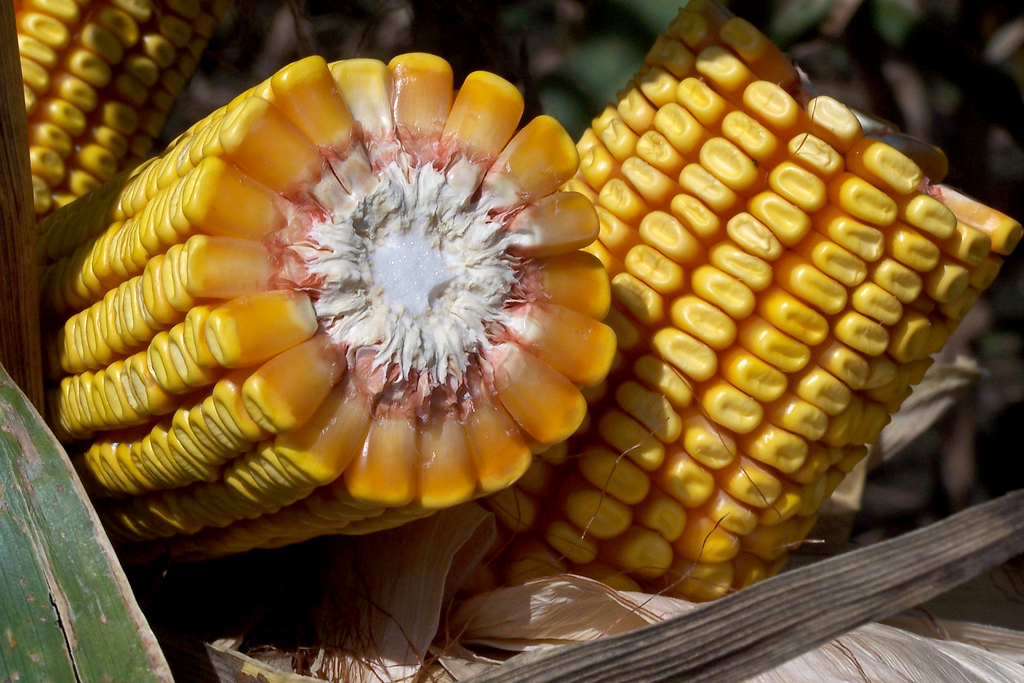

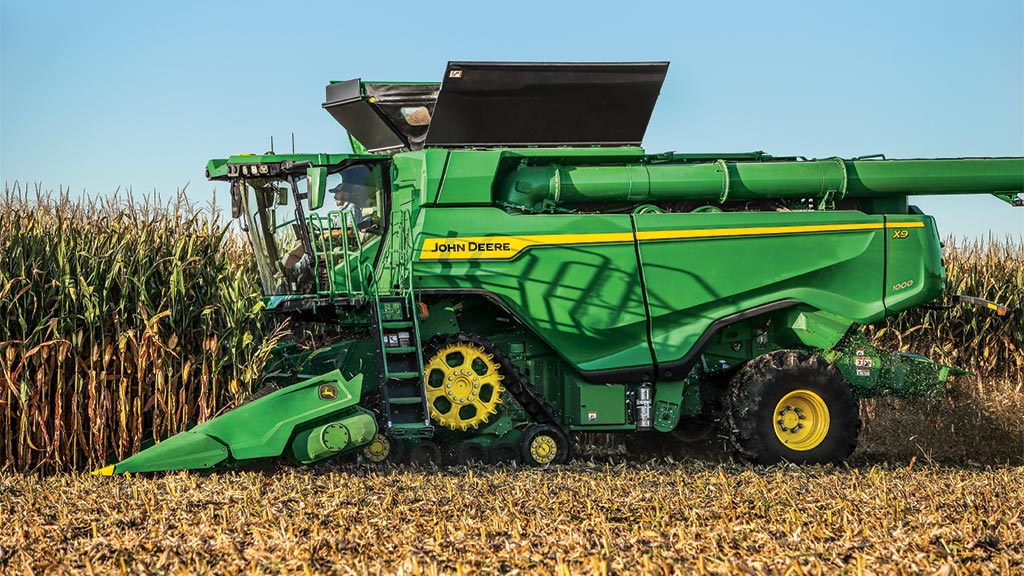
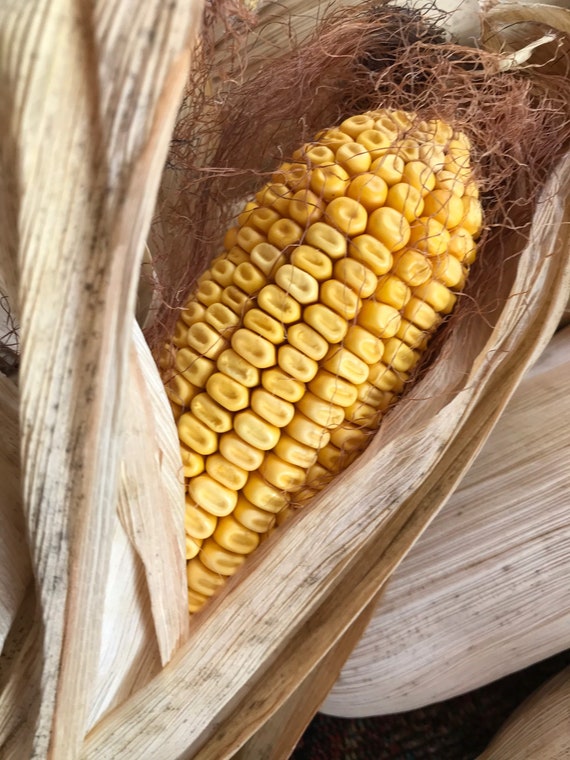
Field corn, often referred to as dent corn, is the most widely grown type of corn in the United States. Unlike the corn you eat fresh, field corn is harvested when it is fully mature and dry. At this stage, the kernels are hard and starchy, with a characteristic “dent” on the top of each kernel caused by the drying process.
This type of corn is not typically eaten directly by humans in its raw or cooked whole-kernel form. Instead, it is processed into a wide range of products. A significant portion of field corn goes into animal feed, supporting livestock industries such as cattle, poultry, and pigs. Another large share is used to produce ethanol, a renewable biofuel blended into gasoline.
Beyond feed and fuel, field corn is also a major source of ingredients used in processed foods. Cornmeal, cornstarch, corn syrup, and high-fructose corn syrup all originate from field corn. In fact, many everyday items—from breakfast cereals to soft drinks—contain derivatives of this crop.
🌽 What Is Sweet Corn?

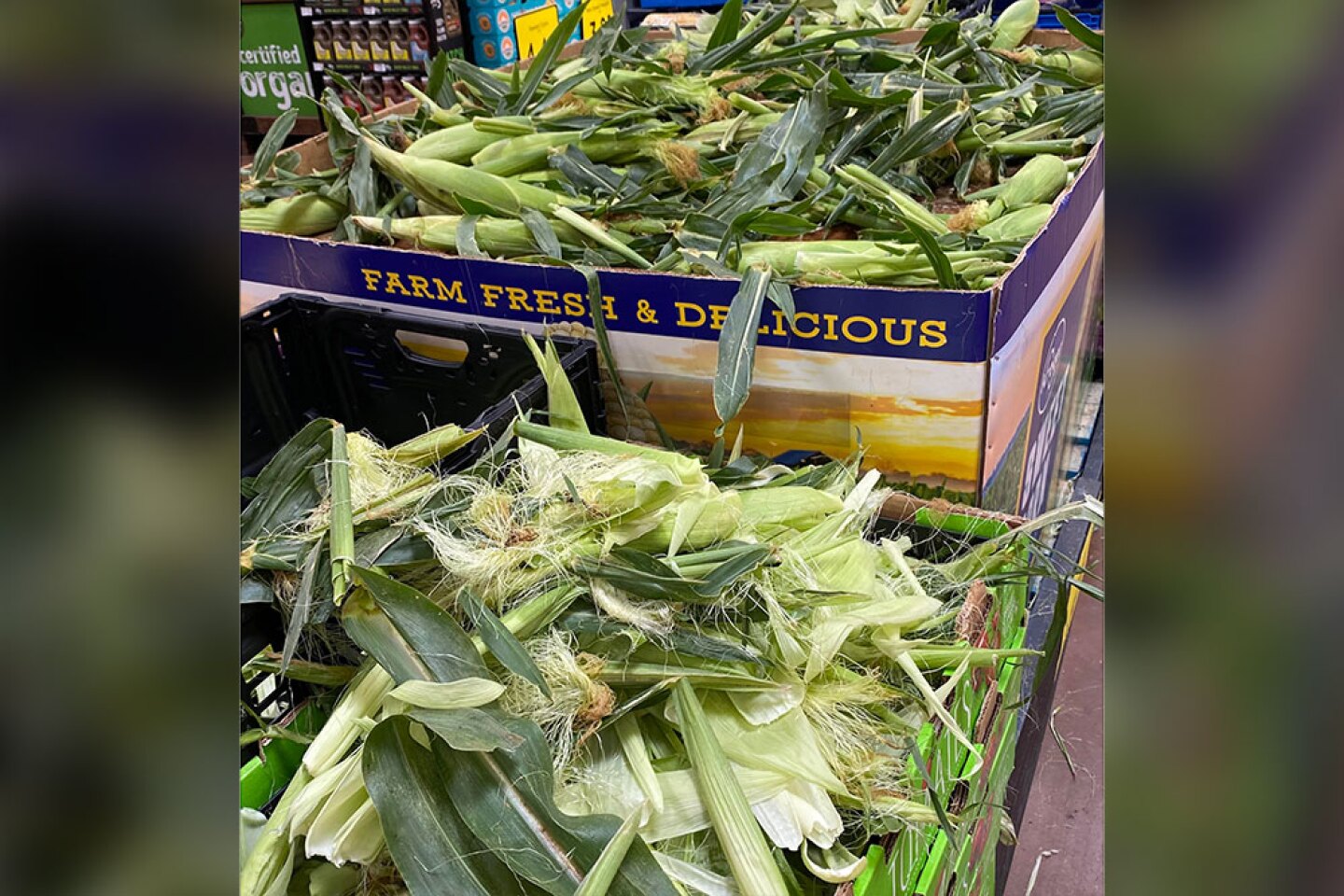
Sweet corn is the variety most people recognize as food. It is harvested while still immature, when the kernels are soft, juicy, and naturally high in sugar. This is the corn you find at grocery stores, farmers’ markets, and backyard barbecues.
Unlike field corn, sweet corn is bred specifically for flavor and tenderness. Its high sugar content gives it a noticeably sweet taste, which is why it’s commonly eaten on the cob, canned, or frozen. Timing is crucial—if left on the plant too long, the sugars begin to convert into starch, reducing sweetness and altering the texture.
Sweet corn is typically consumed as a vegetable rather than processed into industrial products. It’s a staple in many cuisines and is especially popular during summer months when it’s harvested fresh.
🌽 Key Differences at a Glance
While both types come from the same species (Zea mays), their differences are significant:
1. Harvest Time
- Field corn is harvested when fully mature and dry.
- Sweet corn is harvested early, while still tender and moist.
2. Taste and Texture
- Field corn is starchy, tough, and not sweet.
- Sweet corn is juicy, soft, and naturally sugary.
3. Primary Uses
- Field corn: animal feed, ethanol, processed food ingredients.
- Sweet corn: direct human consumption.
4. Appearance
- Field corn kernels are hard and often dull in color.
- Sweet corn kernels are plump, bright, and glossy.
5. Genetic Traits
Sweet corn contains a natural genetic mutation that slows the conversion of sugar into starch, preserving its sweetness. Field corn lacks this trait, allowing starch to dominate as the plant matures.
🌽 Agricultural and Economic Importance


Field corn dominates global corn production. In the United States alone, millions of acres are dedicated to growing it, particularly in the Midwest. Its versatility makes it a cornerstone of modern agriculture and industry. Without field corn, industries ranging from livestock farming to fuel production would face major disruptions.
Sweet corn, on the other hand, occupies a much smaller share of farmland but holds significant value in the fresh produce market. It’s a high-demand crop for direct consumption and plays an important role in local farming economies, especially during peak harvest seasons.
🌽 Nutritional Differences
Nutritionally, sweet corn and field corn differ due to their composition at harvest.
- Sweet corn contains more natural sugars and water, making it lower in calories per kernel and more refreshing to eat.
- Field corn is higher in starch and calories, which is why it’s ideal for feeding animals and producing energy-dense products.
When processed, field corn can be transformed into a variety of food ingredients, some of which—like high-fructose corn syrup—have been widely debated in terms of health impact.
🌽 Processing and Transformation
One of the most fascinating aspects of field corn is how it’s transformed. Through industrial processes, it can become:
- Corn oil for cooking
- Cornstarch for thickening sauces
- Sweeteners used in beverages and snacks
- Ethanol fuel for vehicles
Sweet corn, by contrast, undergoes minimal processing. It may be boiled, grilled, frozen, or canned, but it largely retains its original form.
🌽 Cultural and Culinary Roles
Sweet corn has a strong cultural presence, especially in seasonal and regional dishes. From corn on the cob at summer cookouts to traditional recipes in various cuisines, it’s closely tied to comfort food and fresh eating.
Field corn, while less visible on the plate, is deeply embedded in modern diets through processed foods. Its influence is subtle but widespread, making it one of the most important crops in the global food system.
🌽 Final Thoughts
At a glance, field corn and sweet corn may look alike, but they represent two entirely different agricultural pathways. One feeds industries and fuels economies; the other feeds people directly and brings flavor to meals.
Field corn is the quiet workhorse—essential, versatile, and foundational to modern life. Sweet corn is the crowd-pleaser—fresh, delicious, and enjoyed in its simplest form.
Together, they highlight the incredible adaptability of a single plant species and its ability to meet vastly different human needs. Whether it’s powering vehicles, feeding livestock, or enhancing a summer dinner, corn—in all its forms—remains one of the most important crops on Earth.