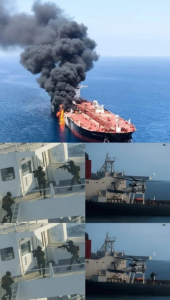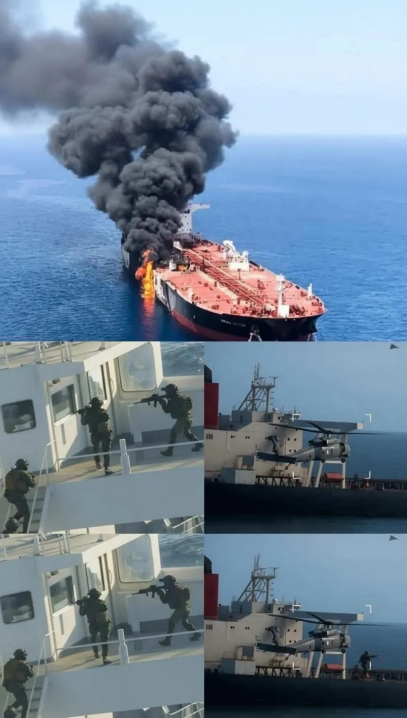
In a dramatic operation that quickly drew global attention, forces from the United States Army successfully captured a suspicious vessel during a coordinated security mission in the waters near Venezuela. The incident unfolded during a routine maritime surveillance patrol, but what began as a standard operation soon escalated into a tense encounter that demonstrated the growing importance of maritime security in the region.
According to preliminary reports, the vessel was first detected by military monitoring systems that track unusual movements along key shipping routes. Analysts noticed that the boat was traveling without proper identification signals and was following an irregular path that raised concerns among naval intelligence officers. Because these waters are often used by smugglers and organized criminal groups, the suspicious behavior triggered immediate attention from nearby American forces.
Within minutes, a joint response team was assembled. Soldiers working alongside maritime security units moved swiftly to intercept the vessel before it could disappear into coastal waters. Helicopters circled overhead while patrol boats approached carefully, maintaining a safe distance as they assessed the situation.
Witnesses later described the scene as tense but controlled. As the patrol boats closed in, soldiers ordered the occupants of the vessel to stop and identify themselves. When the boat initially failed to respond to radio calls, commanders authorized a controlled boarding procedure. The operation was carried out with precision, highlighting the extensive training that U.S. forces receive for maritime interception missions.
Once on board, soldiers quickly secured the crew and inspected the vessel. Early reports suggested that the boat may have been involved in illegal transport activities, though officials did not immediately confirm the exact nature of the cargo. Large containers were discovered on deck, and investigators began carefully documenting their contents.
Military officials later explained that operations like this are part of broader efforts to combat illegal trafficking networks that operate across the Caribbean and northern South America. These networks often use small boats to move goods across international waters, taking advantage of remote coastal areas and limited law-enforcement coverage.
The region surrounding Venezuela has long been an area of strategic importance for maritime security. Busy shipping lanes pass through these waters, connecting South America with the Caribbean, North America, and international markets. Because of this, governments and security agencies maintain constant patrols to prevent illegal activities such as smuggling, human trafficking, and weapons transport.
During the inspection of the captured boat, soldiers carefully searched every section of the vessel, including storage compartments and engine areas. The crew members were detained for questioning while intelligence specialists documented evidence that could help determine where the boat originated and where it was headed.
Officials emphasized that the mission was conducted according to international maritime law and with a focus on preventing escalation. No shots were fired during the interception, and the crew was taken into custody without resistance once the boarding team secured the vessel.
News of the operation spread quickly through international media, drawing attention to the ongoing challenges faced by security forces working in the region. Experts say maritime operations have become increasingly important as criminal groups adapt their tactics to avoid detection.
One security analyst explained that smaller vessels are often chosen for illegal transport because they are faster and harder to track than large cargo ships. These boats can move quickly between islands or coastal areas, making it difficult for authorities to intercept them without real-time intelligence and rapid response teams.
The captured vessel was later escorted to a secure port where investigators could conduct a more detailed examination. Officials began analyzing navigation equipment, communication devices, and documentation found on board in order to identify possible connections to larger criminal networks.
Although authorities did not immediately release the names or nationalities of the detained individuals, they confirmed that the investigation would involve multiple agencies. International cooperation often plays a key role in cases like this, especially when vessels operate across several countries’ waters.
Local governments in the Caribbean and South America frequently work alongside U.S. security forces to combat maritime crime. Joint exercises and intelligence sharing have helped improve coordination during operations such as the interception that occurred near Venezuela.
Military representatives stated that the successful capture of the vessel highlights the importance of constant vigilance at sea. They noted that many illegal operations rely on speed and secrecy, but coordinated surveillance and rapid response can disrupt these activities before they reach their destination.
For the soldiers involved in the mission, the operation represented another example of the unpredictable nature of maritime security work. Patrols can last for hours or days without incident, yet at any moment a routine surveillance task can turn into a high-stakes operation requiring careful planning and precise execution.
As the investigation continues, officials hope the information gathered from the captured boat will help authorities understand how similar operations are organized. Intelligence gathered from one vessel can often reveal details about routes, funding, and communication methods used by larger networks.
While many questions remain about the vessel’s origin and purpose, one thing is clear: the interception demonstrates how critical maritime monitoring has become in maintaining regional stability. With global trade routes expanding and criminal groups constantly adapting their strategies, security forces must remain prepared to respond quickly when suspicious activity appears.
For now, the captured boat remains under investigation, and authorities are continuing to examine every piece of evidence recovered during the operation. The results of that investigation may provide important clues about the broader challenges facing maritime security in the waters surrounding Venezuela and the wider Caribbean region