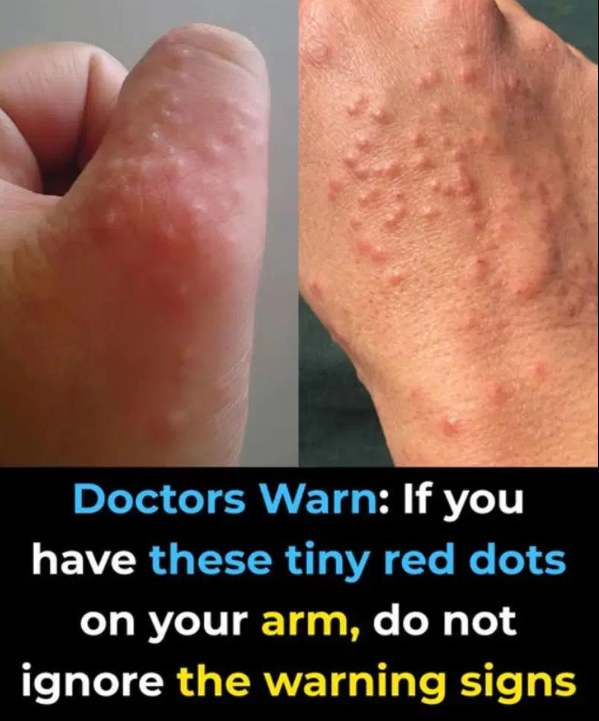
What Are These Tiny Red Dots?
Small red bumps on the skin can appear for many different reasons. They may look similar on the surface, but their causes can range from harmless irritation to infections or allergic reactions. In many cases, these bumps may be:
-
Slightly raised or flat
-
Itchy or non-itchy
-
Clustered or spread out
-
Accompanied by dryness, swelling, or even blisters
The exact appearance and symptoms are key to understanding what’s going on.
Common Causes of Red Dots on Hands or Arms
1. Contact Dermatitis (Allergic Reaction)
One of the most common causes is contact dermatitis, which happens when your skin reacts to something it touches.
This could include:
-
Soaps or detergents
-
Jewelry (especially nickel)
-
Plants like poison ivy
-
Cleaning chemicals
Symptoms often include redness, itching, and small bumps or blisters. If the bumps appeared after using a new product or touching something unusual, this is a likely cause.
2. Heat Rash (Prickly Heat)
Heat rash occurs when sweat gets trapped under the skin. It’s more common in hot, humid conditions.
Signs include:
-
Tiny red or pink bumps
-
A prickly or itchy feeling
-
Areas where sweat builds up (hands, arms, neck)
While harmless, it can be uncomfortable and may worsen if the skin stays sweaty.
3. Eczema (Atopic Dermatitis)
Eczema is a chronic skin condition that causes inflammation.
It may appear as:
-
Red, itchy patches
-
Small bumps that may leak fluid
-
Dry, cracked skin
On the hands, eczema can look like clusters of tiny red bumps similar to what’s shown in your image.
4. Insect Bites or Stings
Clusters of small red bumps can also result from insect bites.
Common clues:
-
Sudden appearance
-
Itchiness
-
Pattern (sometimes in lines or groups)
Bed bugs, fleas, or mosquitoes may cause multiple bites that resemble a rash.
5. Scabies (Skin Infestation)
This is one condition that often matches the pattern seen on fingers and hands.
Scabies is caused by tiny mites that burrow into the skin. It leads to:
-
Intense itching (especially at night)
-
Small red bumps or blisters
-
Common locations: between fingers, wrists, elbows
This condition is contagious and requires medical treatment.
6. Viral or Bacterial Infections
Some infections can cause red spots or rashes, including:
-
Viral rashes (like hand-foot-and-mouth disease)
-
Bacterial infections that irritate hair follicles
These are often accompanied by other symptoms like fever, fatigue, or swelling.
7. Petechiae (Tiny Blood Spots)
Sometimes, red dots are not raised at all. These are called petechiae, caused by tiny blood vessels breaking under the skin.
They:
-
Do not fade when pressed
-
May signal a more serious condition
-
Can be linked to infections or blood disorders
If you suspect this, medical attention is important.
When Should You Be Concerned?
Not every rash is dangerous, but there are warning signs you shouldn’t ignore.
Seek medical advice if:
-
The bumps spread quickly
-
You experience severe itching or pain
-
There is swelling, pus, or signs of infection
-
You have a fever or feel unwell
-
The rash doesn’t improve after a few days
-
The spots don’t fade when pressed
These could indicate something more serious that needs treatment.
Why You Shouldn’t Ignore It
Your skin is often a reflection of your internal health. While many rashes are harmless, others can be early indicators of:
-
Allergic reactions
-
Contagious conditions
-
Immune system issues
-
Infections that may worsen without treatment
Ignoring symptoms can lead to complications, especially if the cause is infectious or inflammatory.
What You Can Do at Home
If the symptoms are mild, you can try simple steps:
-
Keep the area clean and dry
-
Avoid scratching
-
Use gentle, fragrance-free moisturizers
-
Apply over-the-counter hydrocortisone cream
-
Avoid known irritants
However, these are only temporary measures. If symptoms persist, don’t rely solely on home remedies.
Medical Treatment Options
Depending on the cause, a doctor may prescribe:
-
Antihistamines (for allergies)
-
Topical or oral steroids (for inflammation)
-
Antibiotics (for bacterial infections)
-
Antiparasitic treatments (for scabies)
Getting the correct diagnosis is key to effective treatment.
Final Thoughts
The phrase “do not ignore the warning signs” may sound alarming, but it carries a useful message. Tiny red bumps on your skin are usually not life-threatening—but they are your body’s way of signaling that something isn’t quite right.
Most of the time, the cause is minor and treatable. However, paying attention to changes in your skin—and acting when necessary—can prevent discomfort, stop the spread of contagious conditions, and ensure your overall health stays on track.