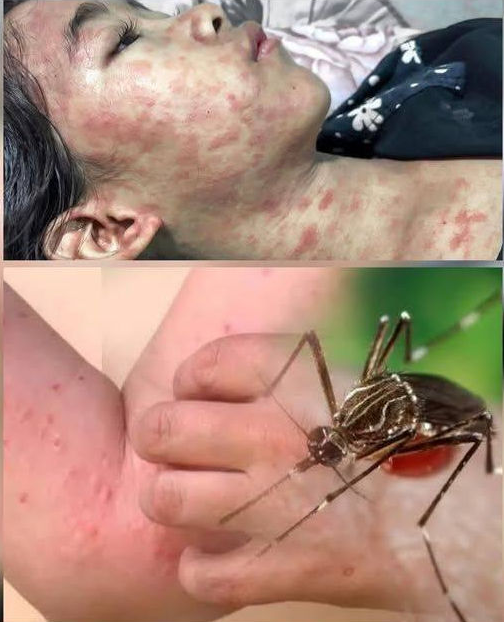
🚨 ALERT: New Disease Outbreak in China — Over 7,000 Cases Reported, Symptoms and Risks Revealed
In recent days, alarming headlines have circulated online claiming that a “new disease outbreak” in China has resulted in over 7,000 reported cases. Social media posts featuring urgent emojis and dramatic wording have fueled anxiety, prompting questions about global health risks, travel safety, and whether the world could be facing another large-scale health emergency.
However, when evaluating claims like these, the first and most important step is verification. As of now, there is no official confirmation from major global health authorities—including the World Health Organization or China’s National Health Commission—of a mysterious, newly identified disease causing 7,000 unexplained cases.
That doesn’t mean outbreaks never occur. In fact, seasonal respiratory illnesses, localized viral clusters, and regional health events happen every year in many countries, including China. But viral headlines often exaggerate routine epidemiological events by framing them as unprecedented or secretive crises.
Understanding How Outbreak Reporting Works
China has one of the largest disease surveillance systems in the world. Like many countries, it tracks influenza, respiratory infections, gastrointestinal illnesses, and emerging pathogens. When clusters exceed expected seasonal patterns, authorities report them through official public health channels. These reports are often shared with international organizations such as the WHO.
In recent years, heightened global sensitivity to outbreak news has led to rapid online amplification of even minor health developments. After the COVID-19 pandemic, public concern remains understandably high. Any mention of “new virus” or “thousands of cases” immediately sparks global attention.
But context matters.
Seven thousand cases in a country with over 1.4 billion people does not automatically indicate a widespread or uncontrollable crisis. For comparison, seasonal influenza can infect millions within weeks during peak seasons worldwide.
What We Know About Viral Outbreak Claims
When a headline claims “over 7,000 cases reported,” key questions should be asked:
-
What is the name of the disease?
-
Has it been officially identified?
-
Which regions are affected?
-
Are cases severe or mild?
-
Have hospitalizations or deaths been confirmed?
-
What do public health agencies say?
Without clear answers from recognized authorities, such claims should be treated cautiously.
Historically, China has experienced outbreaks of illnesses such as SARS in 2003 and COVID-19 beginning in 2019. Those events reshaped global health preparedness and surveillance. Because of that history, any rumor of a “new outbreak” in China quickly draws international scrutiny.
Symptoms and Risk Factors
Social media posts often list vague symptoms like fever, cough, fatigue, or respiratory distress. These are common to many illnesses, including influenza, RSV, pneumonia, and even seasonal colds. Without laboratory confirmation, symptom lists alone cannot identify a new disease.
Public health experts emphasize that respiratory viruses frequently circulate during colder months. Crowded urban areas, international travel, and seasonal climate conditions can contribute to temporary spikes in cases.
Risk factors for most infectious respiratory diseases typically include:
-
Weakened immune systems
-
Advanced age
-
Chronic health conditions
-
Close-contact environments
However, without verified identification of a specific pathogen, it is impossible to determine unique risks.
Global Health Monitoring Systems
The WHO operates an international alert system to monitor unusual disease events. If a new pathogen with significant pandemic potential emerges, the agency issues official situation reports and guidance. Governments then update travel advisories and healthcare recommendations accordingly.
At present, there is no global emergency declaration regarding a new unidentified disease in China.
Why Sensational Headlines Spread
There are several reasons why outbreak rumors gain traction quickly:
-
Post-pandemic anxiety: The world remains sensitive to disease news after COVID-19.
-
Algorithm amplification: Social media platforms prioritize content that generates emotional reactions.
-
Ambiguous wording: Phrases like “see more” or “risks revealed” increase click-through rates.
-
Lack of context: Raw numbers without population comparison can appear alarming.
In many cases, headlines exaggerate routine surveillance updates. For example, a regional spike in influenza cases could be framed misleadingly as a mysterious “new virus.”
Travel and Public Safety
When credible outbreaks occur, health authorities provide specific guidance. This may include:
-
Mask recommendations in affected areas
-
Vaccination campaigns
-
Temporary travel advisories
-
Enhanced hospital preparedness
Without official advisories, there is no current indication that international travel restrictions or emergency measures are necessary.
Staying Informed Responsibly
To avoid misinformation:
-
Check official statements from the WHO or national health agencies.
-
Look for confirmation from multiple reputable news organizations.
-
Be cautious of posts that lack specific disease names or official data sources.
-
Avoid sharing unverified outbreak claims.
The Importance of Preparedness — Without Panic
Global health systems today are far better equipped to detect and respond to emerging diseases than they were decades ago. Surveillance networks, genomic sequencing technology, and rapid communication systems allow scientists to identify pathogens quickly.
Preparedness does not require panic.
Basic preventive measures—such as hand hygiene, staying home when sick, and keeping vaccinations up to date—remain effective against many infectious diseases. These practices are beneficial regardless of whether a specific outbreak is occurring.
Conclusion
While headlines about “over 7,000 cases” can sound alarming, there is currently no verified confirmation of a new, unidentified large-scale outbreak in China posing a global emergency. As always, accurate information should come from recognized health authorities and credible news sources.
In an era of rapid information exchange, caution and verification are essential. Concern is natural. Panic is not helpful. Staying informed through reliable channels ensures that responses are guided by facts rather than fear.