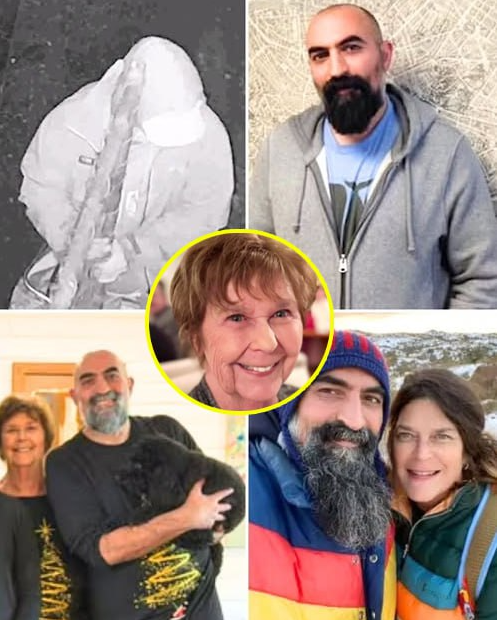
Headlines like “20 Minutes Ago in Arizona, Tommaso Cioni Was Confirmed As… See More in Comment” are crafted to stop you mid-scroll. They feel urgent. Immediate. Almost alarming. But before reacting, it’s important to pause and look at what’s actually being presented.
First, there is no widely known public figure or verified news source reporting breaking information about someone by the name of Tommaso Cioni in Arizona. When a headline provides no details, no reputable source, and pushes readers to “see more in comment,” it’s usually a classic example of engagement bait.
These types of posts follow a predictable formula:
• A time marker to create urgency (“20 minutes ago”)
• A location to add credibility (“in Arizona”)
• A name to personalize the story
• An unfinished sentence to spark curiosity
• A call to action directing you to the comments
It’s not news reporting—it’s a strategy.
The phrase “was confirmed as…” is intentionally vague. Confirmed as what? A suspect? A hero? Missing? Promoted? Arrested? The ambiguity allows your imagination to fill in the worst possibilities. Our brains naturally lean toward dramatic conclusions when information is incomplete.
This is known as the curiosity gap. When we’re given just enough information to feel there’s a story—but not enough to understand it—we feel compelled to close that gap. Social media algorithms reward engagement. The more people click, comment, and react, the more visibility the post receives.
Arizona is a real and prominent U.S. state, which adds a sense of legitimacy. Associating a specific place makes the post feel grounded in reality. But credible breaking news from Arizona would typically come from verified outlets such as local television stations, newspapers, or official law enforcement announcements—not anonymous posts with incomplete sentences.
Another red flag is the “See more in comment” instruction. Reputable journalism doesn’t hide essential facts in comment sections. Instead, verified outlets provide full context in the article itself, along with sources, quotes, and details.
Often, posts like this lead to one of three outcomes:
-
The comments contain a link to an unrelated website filled with ads.
-
The story is exaggerated or entirely fabricated.
-
The name mentioned has no connection to any actual event.
In some cases, these posts are created purely to generate clicks. The name might even be randomly selected or borrowed from social media profiles without the person’s knowledge. That can be damaging and irresponsible.
There’s also a psychological factor at play. When we read “20 minutes ago,” our brains interpret it as breaking news. Urgency reduces skepticism. We feel like we need to act quickly before missing out. This is similar to flash sale tactics in marketing—limited time equals heightened response.
But real news doesn’t disappear in 20 minutes.
If something truly significant happened in Arizona, especially involving a confirmed event, credible sources would report it consistently. A quick search through established news platforms would show multiple reports, official statements, and clear details.
The unfinished headline format is designed to do something very specific: make you scroll. It leverages suspense rather than substance.
It’s also worth considering the broader impact of this style of content. Constant exposure to vague “breaking news” posts can create unnecessary anxiety. When every headline feels dramatic, we become conditioned to expect crisis. That can distort how we perceive real events.
On the other hand, sometimes posts like this are harmless attempts at storytelling or fiction. Without context, it’s impossible to know. But presenting fiction as urgent real-world news—especially tied to a real location—blurs important lines.
If you encounter a post like this, here are simple steps to stay informed responsibly:
• Check trusted news outlets for confirmation.
• Look for official statements from authorities.
• Be cautious of links in comment sections.
• Avoid sharing until facts are verified.
The internet moves fast. Rumors move faster. Verification moves carefully.
And careful is good.
Arizona, like any state, regularly experiences real news events—community stories, weather updates, public safety announcements. Those stories are reported with transparency and detail. A vague, incomplete sentence rarely signals legitimate reporting.
It’s also important to recognize how easily names can become attached to narratives online. Even if someone named Tommaso Cioni exists, attaching their name to a dramatic headline without evidence can be unfair and misleading.
In the digital age, attention is currency. Posts that spark emotion—shock, fear, curiosity—travel further. But emotion is not the same as truth.
Before reacting to headlines that rely heavily on suspense and urgency, take a moment to breathe. Ask yourself: Who is reporting this? Where is the source? What is actually being confirmed?
If no clear answers exist, chances are the headline is designed more for clicks than clarity.
So while the phrase “20 Minutes Ago in Arizona…” sounds dramatic, without verified reporting, it remains just that—a dramatic phrase.
Staying informed doesn’t mean reacting to every urgent post. It means knowing how to separate suspense from substance.