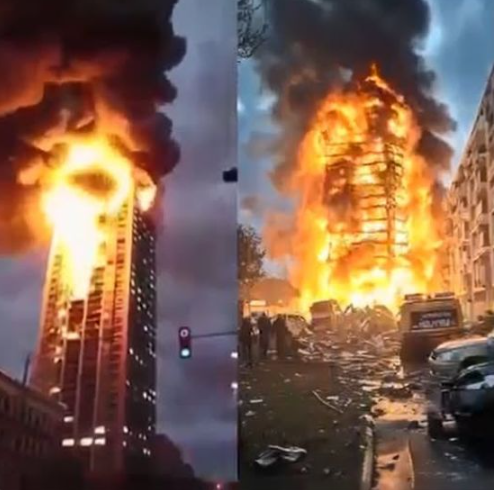
Headlines that begin with “BREAKING 🚨🚨 NEWS” are designed to grab your attention instantly. Add dramatic language like “a tremendous fire broke out in…” followed by “See more,” and you have the perfect formula for urgency-driven clicks. The flashing emojis, the capital letters, the unfinished sentence—all of it is carefully structured to make you feel like you’re about to miss something critical.
But before reacting, sharing, or panicking, it’s important to pause.
In the digital age, the word “breaking” is often used loosely. Traditionally, breaking news referred to verified, time-sensitive information released by credible news organizations. Today, however, it can be used by anyone with a social media account. A dramatic post can spread to thousands—sometimes millions—of people within minutes, regardless of whether it has been confirmed.
Fires are serious incidents. They can cause injuries, property damage, displacement, and even loss of life. When a genuine large-scale fire occurs, reputable outlets typically provide clear information: the exact location, time of outbreak, response from emergency services, statements from officials, and confirmed impact. These reports are usually updated consistently as new details emerge.
By contrast, vague headlines that trail off with “See more” often withhold essential information. They rely on suspense rather than substance. If the location is missing, if no official sources are cited, or if the wording is overly dramatic without specifics, those are red flags.
Social media algorithms reward engagement. Posts that create fear or urgency tend to receive more reactions and shares. As a result, sensational language becomes a tool for visibility. Words like “tremendous,” “devastating,” or “massive” may be used before the scale of the incident is even confirmed.
Another factor to consider is how quickly misinformation can spread during emergencies. In moments of crisis, people understandably seek updates. But when unofficial accounts or random pages post dramatic claims without verification, confusion increases. False or exaggerated reports can divert attention from reliable information and even interfere with emergency response efforts.
When encountering a headline about a major fire, there are a few practical steps to take:
First, check established news outlets in your region. Major incidents are usually covered quickly by recognized local or national media organizations.
Second, look for statements from official agencies such as fire departments, city officials, or emergency management authorities.
Third, avoid sharing posts that lack verifiable details, especially if they rely solely on emotional wording.
It’s also worth noting that some viral posts recycle old incidents. Photos or videos from past fires may resurface with new captions claiming they happened “just hours ago.” Without context, viewers may assume the footage is current. Reverse-image searches or checking timestamps can help clarify whether the content is recent.
Responsible information sharing is especially important during emergencies. False alarms can cause unnecessary fear. Exaggerated claims can create panic. At the same time, downplaying real risks can also be harmful. Balanced, verified reporting is essential.
If a significant fire has truly occurred, emergency services will typically provide guidance to affected communities. This may include evacuation notices, road closures, or safety advisories. Such instructions usually come through official channels rather than anonymous viral posts.
The use of siren emojis and all caps is another common tactic. It mimics the tone of official alerts, even when the post is not affiliated with any authority. While it creates a sense of immediacy, formatting alone does not equal confirmation.
In today’s fast-moving information landscape, speed often competes with accuracy. But accuracy must come first—especially when public safety is involved. Taking a few extra minutes to verify can prevent the spread of confusion.
It’s natural to feel concerned when seeing a headline about a “tremendous fire.” Fire incidents can escalate rapidly and have serious consequences. However, reacting based solely on an incomplete sentence does not help anyone. Clarity matters more than shock value.
If credible updates are available, they will typically include specifics: the neighborhood or building involved, the number of fire units responding, whether injuries have been reported, and what containment measures are in place. Without those details, the claim remains incomplete.
Ultimately, the responsibility of modern readers goes beyond consumption—it extends to amplification. Choosing not to share unverified breaking news is an act of caution and care.
In moments when dramatic headlines appear in your feed, remember: urgency does not equal authenticity. Verification is key. If the incident is real and significant, trustworthy sources will report it clearly and consistently