1. What’s Going On Now: Diplomacy + Pressure (the Dual Track)
President Donald Trump is publicly signaling that he wants to keep diplomatic channels open with Iran — for now — even as the U.S. military posture in the region strengthens.
Trump has said Iran is “talking to us” amid regional de‑escalation efforts, and he’s approved significant arms sales to allies like Israel and Saudi Arabia. That suggests he still sees a window for negotiation and wants to use that diplomatic space to avert open conflict.
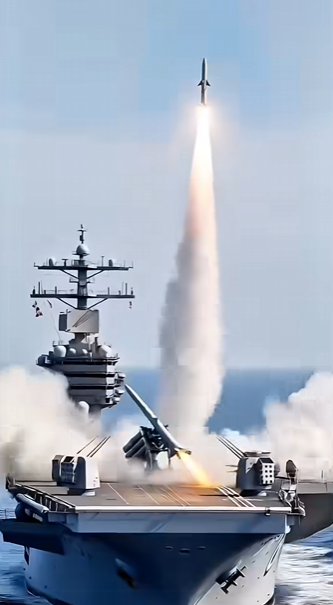
At the same time, U.S. military assets are gathering in the Middle East — including carrier strike groups — which has traditionally been a way of applying pressure on Tehran while negotiations play out. This dual track reflects a classic mix of “carrots and sticks”: negotiation offers + credible threat of force.
The U.S. ambassador to Israel emphasized that Trump’s warnings toward Iran are not empty threats, underscoring that diplomacy is happening under a very serious military backdrop.
2. Trump’s Diplomatic Strategy: “Talks Time” With Conditions
When news headlines say Trump has “given Iran talks time,” it doesn’t mean unconditional dialogue. Instead:
-
The administration is urging Tehran to negotiate a deal on nuclear and possibly missile constraints, tied to reducing the risk of conflict.
-
Trump has indicated he set a deadline for Iran to engage in talks or face potential military consequences, though he has not publicly specified the exact timeline.
-
In Oval Office remarks, Trump predicted Iran might seek a deal to avoid U.S. strikes, reflecting an optimistic (or strategic) framing that the pressure is working.
This approach is closely tied to his broader foreign policy calculus: use the combination of potential military action and diplomatic engagement to extract concessions from Tehran.
3. Iran’s Response to U.S. Overtures
Tehran’s messaging has been mixed and reflects deep mistrust of Washington:
-
Iranian officials, including the foreign minister and senior negotiators, have expressed readiness for negotiations but repeatedly insisted that talks cannot happen under the shadow of military threats — essentially rejecting coercive diplomacy.
-
Iranian leaders have emphasized that their defensive capabilities (like missiles) will not be up for negotiation.
-
At the same time, Iran has suggested that progress toward talks is being made through indirect channels and third‑party mediation, even as it rejects direct pressure.
In short, Tehran appears to be cautiously open to diplomacy but not at the price of weakening its military posture or being seen as coerced.
4. Why Israel Is Central to the Headline
The reference to “Israel likely to join if U.S. strikes” reflects longstanding geopolitical realities:
A. Shared Security Threat Perception
Israel has repeatedly framed Iran’s nuclear program and regional military influence as existential threats. Israel has long said it would act militarily if it believes diplomacy will not stop Iran from obtaining nuclear weapons. While U.S. leaders historically have supported Israel diplomatically and militarily, cooperation on military planning is typical — even if execution decisions remain separate.
B. Current Strategic Coordination
Recent reporting shows senior Israeli and Saudi defense officials meeting with U.S. counterparts in Washington to discuss options on Iran. That reflects a coordinated regional strategy where Israel — and even some Arab states — could align with Washington if military action becomes imminent.
C. Israel’s Stance if Things Escalate
Israel’s government — particularly under Prime Minister Netanyahu — is widely understood to be more inclined toward decisive action against Iran’s nuclear facilities than Tehran would like. Israel believes that a limited military strike would be necessary if diplomacy fails. Some analysts believe Israel might support or participate in such an effort alongside the United States if diplomacy collapses. That is implied in discussions with U.S. officials. However, specific military coordination or joint operational plans are not publicly confirmed.
5. The Role of Military Buildup in the Gulf
The U.S. deployment of naval forces and other assets serves several purposes:
-
Signaling seriousness to Tehran that the U.S. means business if talks fail.
-
Reassuring regional allies like Israel and Arab Gulf states that the U.S. remains committed to their security amid heightened tensions.
-
Providing military readiness in case negotiations fall apart and immediate action becomes necessary, either by the U.S., Israel, or both.
This is a classic example of deterrence through capability demonstration — showing enough force to discourage the other party from escalating, while still keeping diplomacy alive.
6. Risks and Stakes for All Parties
A. For the United States
Trump’s strategy carries high risks:
-
If Iran refuses to negotiate or refuses concessions, the U.S. could be forced into a decision on military action.
-
Failure of diplomacy could damage U.S. credibility with allies who want a peaceful solution.
-
There’s also domestic political pressure, since prolonged threats without results could undercut Trump’s broader foreign policy narrative.
B. For Israel
Israel has less diplomatic room:
-
Israel sees Iran’s potential nuclear capability as an existential threat and might support more decisive action if diplomacy fails.
-
However, a military confrontation could spiral into wider conflict, potentially dragging Israel into direct confrontation with Iranian proxies across the Middle East.
C. For Iran
Iran’s leadership is balancing domestic and international pressures:
-
The Iranian government faces protests and economic hardship — and is trying to use diplomatic engagement as a way to ease sanctions and international pressure.
-
Yet Tehran fears that negotiating under threat would weaken its strategic position and potentially embolden pressure from the U.S. and Israel.
7. What It All Means: Scenario Summary
To understand the current headline and situation, it helps to see three broad scenarios:
1) Diplomacy Prevails (For Now)
Talks continue, potentially mediated by third parties. U.S. military pressure remains but does not escalate into a strike. Israel remains aligned with diplomatic efforts, at least publicly, while keeping its own forces ready.
2) Diplomacy Fails and Pressure Escalates
If Iran flatly rejects terms and negotiations stall or collapse, the U.S. could decide to use force. In that case, Israel — sharing similar strategic goals — could align politically and potentially operationally with U.S. actions.
3) Limited Confrontation or Proxy Escalation
Even without a full U.S. strike, tensions may erupt via proxy conflicts (e.g., actions by Iran‑aligned militias in Iraq or Yemen), Israeli strikes on Iranian assets, or tit‑for‑tat incidents that draw in broader engagement.
The fact that the U.S. is publicly talking about both talks and military options reflects how fluid and dangerous the situation is — and why regional allies like Israel are closely watching every development.
8. Conclusion: A Delicate Tightrope
The headline “Trump gives Iran talks time for now, Israel likely to join if US strikes” captures a tense and unpredictable moment:
-
The U.S. wants to keep diplomacy alive, offering Tehran a chance to negotiate and possibly avert conflict.
-
But beneath the diplomacy is a very real military buildup and looming deadlines.
-
Israel — viewing Iran as an urgent existential threat — is deeply invested in the outcome and likely to support U.S. action if diplomacy collapses.
This mix of negotiation, military signaling, allied coordination, and strategic risk defines the current chapter of U.S.‑Iran‑Israel relations — and why the world is watching closely.