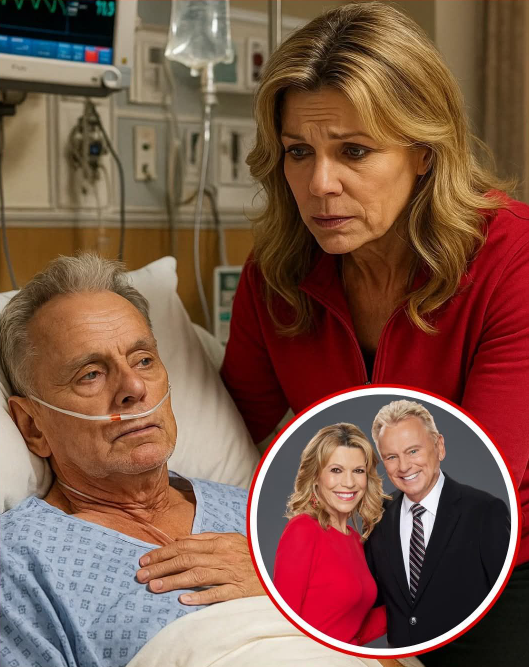

“20 Minutes Ago in Los Angeles, Pat Sajak Was Confirmed as…” — What We Really Know and Why These Headlines Keep Spreading
Every so often, a dramatic headline starts racing across social media that looks like breaking news:
“20 Minutes ago in Los Angeles, Pat Sajak was confirmed as…”
The wording is urgent. It feels official. It sounds serious. And before the sentence even finishes, your mind jumps to the worst possibilities — illness, death, arrest, or some shocking personal revelation. But here’s the most important thing to understand right away:
👉 There has been no verified, official announcement from credible news sources confirming any sudden or tragic development involving Pat Sajak in Los Angeles.
This kind of headline is a classic example of how viral misinformation and click-bait operate in the modern internet age.
Who Pat Sajak Is — and Why People Care
Pat Sajak isn’t just a TV personality. For more than four decades, he’s been a familiar face in millions of homes as the longtime host of Wheel of Fortune. For many viewers, he represents consistency, comfort, and tradition. He’s the kind of figure people grew up watching with family after dinner.
That emotional connection is exactly why headlines about him spread so fast. When someone you’ve seen almost every night on television is suddenly linked to a vague “confirmed” announcement, it feels personal.
The Red Flags in the Headline
Let’s break down the structure of the phrase:
“20 Minutes ago in Los Angeles, Pat Sajak was confirmed as…”
This format has several warning signs:
• It uses urgent timing (“20 minutes ago”)
• It uses vague authority (“was confirmed”)
• It avoids saying what was confirmed
• It ends with “See more” to force clicks
That’s a textbook click-bait formula.
Real breaking news doesn’t hide the key detail. If something important actually happened, the headline would say it clearly and responsibly.
For example:
✔ “Pat Sajak announces retirement plans in official interview”
✔ “Pat Sajak makes public appearance in Los Angeles”
✔ “Pat Sajak signs new media deal”
Not:
❌ “Pat Sajak was confirmed as…”
How Real News About Celebrities Works
If something serious happened to a public figure like Pat Sajak, here’s what would happen immediately:
• Major outlets like AP, Reuters, CNN, NBC, ABC, BBC would report it
• Entertainment news sites like People, Variety, Hollywood Reporter would confirm it
• Official representatives would release statements
There is no scenario where legitimate breaking news about Pat Sajak would first appear as a vague social post with no source, no quote, and no clear information.
Why These Stories Feel So Believable
The internet has trained us to respond emotionally before we verify. When you see:
• A familiar name
• A serious tone
• A time stamp (“20 minutes ago”)
Your brain assumes urgency. It triggers curiosity and concern. That’s exactly what these posts are designed to do.
They rely on suspense instead of substance.
What Pat Sajak Has Actually Been Doing
Pat Sajak has publicly announced his plans to step back from full-time hosting duties after decades on Wheel of Fortune. That’s real news, and it’s been widely covered. He’s spoken openly about his career, his legacy, and his desire to enjoy life outside daily television.
But retirement, media appearances, and personal updates are not emergencies, and they are not announced through mysterious social headlines.
There is no verified report that Pat Sajak was “confirmed” as anything shocking or tragic in Los Angeles 20 minutes ago.
Why These Fake “Breaking News” Posts Exist
There are a few main reasons:
1. Clicks = Money
Websites and pages make money from views and shares. The more dramatic the headline, the more traffic they get.
2. Algorithm Tricks
Social platforms promote content that gets engagement — and fear or shock gets engagement fast.
3. Low Effort Content Farms
Some pages recycle the same headline format for dozens of celebrities:
• “20 minutes ago in…”
• “Confirmed as…”
• “Fans are shocked…”
Only the name changes.
The Real Harm of These Posts
At first glance, they might seem harmless. But they cause:
• Unnecessary panic
• Emotional stress for fans
• Disrespect toward real people
• Confusion about what’s actually true
When someone sees “confirmed” next to a familiar name, their mind often jumps to death or disaster — even when nothing happened at all.
How to Tell If Celebrity News Is Real
Next time you see a post like this, ask yourself:
-
Does it name the actual news clearly?
-
Is it reported by major news outlets?
-
Is there a quote or official statement?
-
Does it rely on shock instead of facts?
If the answer is no, it’s almost certainly click-bait.
What We Can Say for Sure
✔ Pat Sajak has not been confirmed in Los Angeles as anything tragic or shocking
✔ There is no credible breaking news about him 20 minutes ago
✔ The headline is misleading and designed to bait clicks
Why People Still Share These
Most people don’t mean harm. They share because:
• They’re worried
• They’re curious
• They think they’re helping others stay informed
But without verification, sharing becomes part of the problem.
The Bottom Line
The headline “20 Minutes ago in Los Angeles, Pat Sajak was confirmed as…” is not real news. It’s a vague, emotionally charged phrase designed to manipulate attention.
There is no official, credible report confirming anything sudden or tragic about Pat Sajak.
What you’re seeing is another example of how misinformation disguises itself as breaking news.