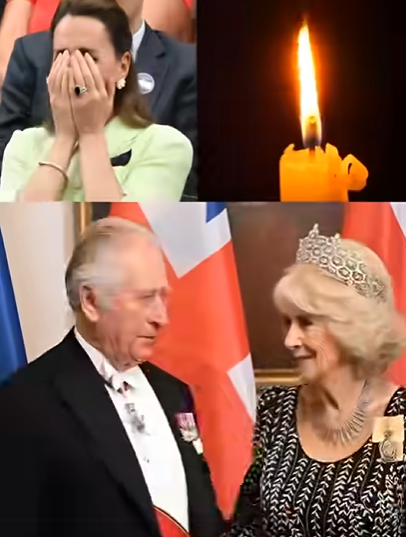
SAD NEWS: King Charles and Princess Anne Are “Shocked” — What We Really Know and Why Headlines Like This Spread
In the age of social media and viral headlines, it’s becoming increasingly common to see emotionally charged phrases like “SAD NEWS,” “We are deeply shocked,” and “the next royal family member has…” splashed across timelines — especially when the subject is the British Royal Family. Few families in the world attract as much global attention as the Windsors, and for decades the health and personal lives of royals have been the subject of intense public interest.
Recently, a dramatic headline has been circulating online claiming that King Charles and Princess Anne were “shocked” after meeting with a doctor and were preparing to announce “sad news” before Christmas. The wording strongly implies illness, loss, or a medical emergency involving another royal family member. But despite how real and urgent these claims may feel, there is an important truth readers need to understand:
👉 There is no confirmed, official announcement from Buckingham Palace supporting this claim.
Why Royal “Sad News” Headlines Go Viral
Stories about the Royal Family spread faster than almost any other type of celebrity news. That’s because:
• The royals represent tradition, continuity, and national identity
• Any hint of illness or loss triggers emotional reactions
• People feel personally invested in figures like King Charles, Princess Anne, William, Kate, and others
So when a headline suggests that “the next royal family member has…” suffered some kind of tragedy, curiosity and concern kick in immediately. People click. They share. They speculate.
Unfortunately, many of these posts are built on vague wording and emotional bait, not verified facts.
What Official Royal Announcements Actually Look Like
When something serious happens in the Royal Family — especially involving health or death — the process is very structured and public:
• Buckingham Palace releases a formal statement
• Major outlets like BBC, Reuters, AP, Sky News, and The Guardian report it immediately
• Details are carefully confirmed and consistent across sources
There is no scenario in which King Charles and Princess Anne would quietly announce something as serious as the loss or grave illness of another royal through a vague social media headline.
If such an event were real, it would dominate international news instantly.
So What Is This Headline Really Doing?
Let’s look at the structure:
“We are deeply shocked to report that the next royal family member has…”
This is a classic click-bait formula:
• It uses emotional words (“shocked,” “sad”)
• It implies something serious without naming it
• It creates suspense to force engagement
But notice what’s missing:
❌ No name
❌ No diagnosis
❌ No palace quote
❌ No date
❌ No verified source
That’s a major red flag.
The Royal Family and Health Rumors
The Royal Family has faced real health challenges in recent years, and that’s part of why rumors spread so easily. King Charles has been open about receiving medical treatment, and other royals have taken time away from public duties for health or personal reasons. But when those things happen, the Palace confirms them.
What does not happen is anonymous “doctor meetings” followed by vague shock statements without official confirmation.
Why These Stories Feel So Real
The wording plays on fear and empathy. People imagine:
• A sudden diagnosis
• A hidden illness
• A tragic loss before the holidays
Christmas is an especially emotional time. Any suggestion of “sad news before Christmas” hits harder, because people associate the season with family, togetherness, and reflection.
That emotional vulnerability is exactly what click-bait thrives on.
The Real Impact of Spreading Unverified Royal News
When false or misleading royal news spreads, it doesn’t just confuse people — it causes real harm:
• It creates anxiety and unnecessary panic
• It disrespects real people’s privacy
• It undermines trust in legitimate journalism
King Charles, Princess Anne, and the rest of the Royal Family are public figures, but they are also human beings. Turning their lives into rumor machines erodes basic respect.
What We Actually Know Right Now
As of now:
✔ There is no official statement announcing the illness or death of another royal family member
✔ No credible news outlet has reported such an event
✔ The headline circulating online is unverified and misleading
That doesn’t mean nothing ever happens in the Royal Family — it simply means this specific claim is not real news.
How to Spot Royal Fake News in the Future
Here are a few quick checks you can use every time you see a dramatic royal headline:
-
Is it reported by BBC, Reuters, AP, or Sky News?
If not, be skeptical. -
Does it name the person clearly?
Vague wording usually means no real source. -
Is there a Palace quote?
Real royal announcements always include official language. -
Does it rely on emotion instead of facts?
That’s a classic misinformation tactic.
Why People Still Share These Stories
Most people don’t share fake royal news because they’re malicious — they share it because they care. They feel connected to the Royal Family, and when something sounds serious, they want others to know.
But care without verification leads to confusion.
The Bottom Line
The headline claiming that “King Charles and Princess Anne are shocked to announce sad news after meeting with the doctor” is not supported by any official or credible reporting.
There is no confirmed tragedy involving another royal family member based on real sources.
What you’re seeing is an example of how emotional wording can be used to make rumors feel like reality.
And in a world where misinformation spreads faster than facts, the most powerful response isn’t fear — it’s verification.