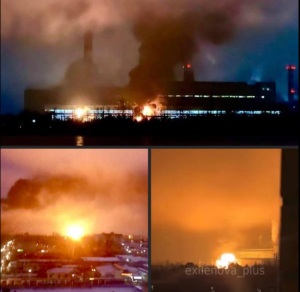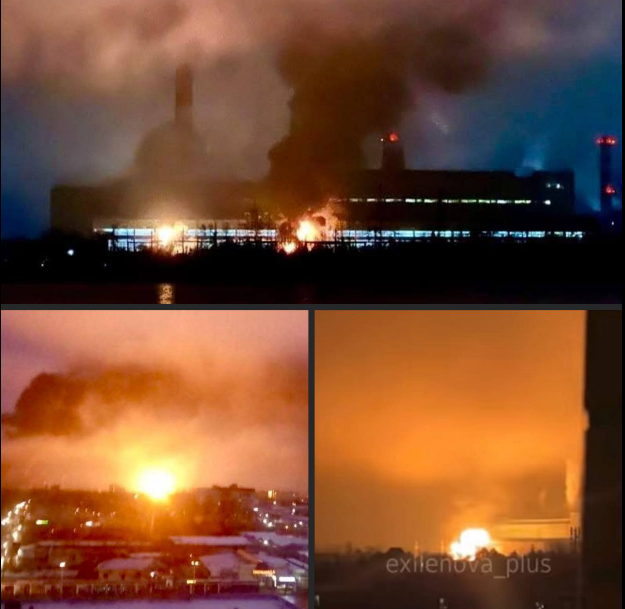
🚨 Important: As of January 25, 2026, there is no verified official declaration that a full-scale global war (World War III) has begun. There is also no authoritative global “maximum worldwide alert” announced by major governments or international institutions. However, serious geopolitical tensions, regional confrontations, and heightened alerts are very real and intensifying in multiple theatres. Below is the comprehensive breakdown of what’s actually happening, what the key flashpoints are, and why people are talking about “global war.”

ایران اینترنشنال | Iran International

Sky News

The Times of India

The Week
LADbible

Sky News

Newsweek

Vision of Humanity
1) Middle East: Escalation Between Iran and the U.S./Allies
A senior Iranian official recently warned that any military attack against Iran — no matter how limited — would be treated as a “full-scale war” and would be met with the strongest possible response. Iran has reportedly placed its armed forces on high alert in response to a U.S. naval fleet buildup in the region.
✔ What this means:
Iran is signaling that in a clash with the U.S. or allied forces, it will not differentiate between a minor strike and a larger offensive. This raises the stakes significantly because it reduces the threshold for escalation: a tactical skirmish could theoretically trigger much broader military responses.
👉 But this is not the same as a global war declaration. This is regional escalation with global spillover risks.
2) Europe and Russia: A Persistent Major Flashpoint
Although attention has focused in recent years on the Ukraine war, tensions between Russia and NATO remain a core strategic flashpoint:
-
Russia’s ongoing war in Ukraine (started in 2022) continues to be Europe’s largest armed conflict and has killed tens of thousands, displaced millions, and destabilized the region.
-
Russia has unveiled and deployed advanced hypersonic nuclear-capable missiles in Belarus, which allies fear compress decision timelines and increase the risk of inadvertent escalation in a crisis.
-
European countries such as Norway and Poland have issued civil defense and preparedness warnings amid concerns about potential Russian incursions or broader military escalation, reflecting heightened security postures.
✔ What this means:
Europe is in a prolonged heightened military readiness state, and tensions have spilled beyond Ukraine into broader NATO-Russia deterrence dynamics. But again, this is high risk, not formal worldwide war.
3) Russia-Ukraine Conflict and Diplomatic Moves
Recent diplomatic activity — including talks involving Ukrainian President Zelenskyy, U.S. and Russian envoys — suggests some effort toward negotiations, but the situation on the ground remains violent, with reports of major attacks and civilian infrastructure damage.
✔ Why this matters:
The Russia-Ukraine war is not just a European conflict; it involves global powers through alliances and arms support, raising fears of escalation. But there is no confirmed declaration that major NATO countries are attacking Russia directly or vice versa.
4) Global Perceptions: World War III Fears
Across Western public opinion, academic circles, and media commentary, fear of a third world war is a common theme:
-
Surveys show a significant portion of Americans and Europeans believe a new world war could occur within the next 5–10 years due to ongoing geopolitical tensions.
-
Some world leaders and officials have warned about the potential for global escalation if current conflicts spiral out of control.
-
Analysts often point to numerous simultaneous conflicts worldwide — the highest number of countries engaged in conflicts since World War II — as a risk factor for larger wars.
✔ Important distinction:
Public fear + expert analysis = risk projection. It does not equate to a confirmed declaration or the start of a global war.
5) A “World on Edge”: Multiple Conflict Zones
The world is experiencing many simultaneous armed conflicts, including but not limited to:
-
Russo-Ukrainian War
-
Middle East conflicts involving Iran, Israel, and proxy actors
-
Sudan civil war and other African conflicts
-
Long-running tensions in East Asia around Taiwan and China
Each increases global instability but remains regionally concentrated rather than universally all-out.
6) What “Global Alert” Means in Practice
The term “maximum worldwide alert” suggests an official, globally coordinated warning from institutions like the United Nations, NATO, or major governments. At this moment:
✔ Confirmed real alerts include:
-
Individual countries raising military readiness states
-
Governments issuing travel warnings for specific regions
-
Allied forces adjusting defense postures
❌ Not confirmed:
-
Any worldwide declaration of war
-
A single, official “global maximum alert” coordinated among world powers
-
An all-encompassing legal state of global war
In other words: governments are jittery, militaries are vigilant, and risk calculations are rising — but global war has not been legally or procedurally declared.
7) Why People Are Saying “The War Begins”
Several factors contribute to this perception:
🔹 24/7 Media and Social Amplification
News cycles are nearly continuous, and rumors or sensational headlines spread rapidly across platforms (e.g., streaming channels suggesting “global war has begun”). These often lack verification and do not equate to authoritative signals from governments or international institutions.
🔹 Converging High-Risk Flashpoints
Multiple independent crises (Middle East tension, NATO-Russia standoffs, broader proxy wars) exist simultaneously. When dozens of crises overlap, perceptions can blur into a single narrative of “global war.” But that conflates multiple regional conflicts with one world war.
🔹 Historical Analogies
People naturally compare the present with the lead-up to World Wars I and II — complex, nonlinear processes where escalation took years before formal declarations. Military preparedness is often misunderstood as imminent global war rather than deterrence.
8) What Would Change If It Were Real
If a true World War III were beginning, we would expect to see one or more of the following confirmed by official sources:
-
Major powers invoking mutual defense treaties (e.g., NATO’s Article 5)
-
Formal declarations of war between multiple blocs of countries
-
Coordinated military alliances mobilizing beyond regional theatres
-
Public emergency alerts across many states
-
United Nations Security Council emergency sessions with binding resolutions
As of now, we only have heightened tensions and warnings, not global declarations or bloc warfare.
9) So What Should You Do Right Now?
Stay Informed from Reliable Sources:
Prioritize established international media (Reuters, AP, BBC, etc.) and official government statements. Avoid headlines implying Worldwide War has begun unless backed by legally binding declarations.
Understand the Real Situation:
We are in a period of heightened geopolitical tensions and multiple regional wars, some of which could escalate. But these are hotspots, not a single global front.
Safety Precautions:
Unless you are in an active conflict zone or subject to government emergency orders, there is no need for immediate evacuation or apocalyptic planning.
Bottom Line (Clear and Unvarnished)
📍 No — there is currently no verified declaration that World War III or a global war has begun.
⚠️ Yes — global tensions are unusually high and multiple regions are on high military alert.
🚨 Yes — the risk of escalation in specific theatres (especially the Middle East and Eastern Europe) has increased.
Confusion between regional conflict escalation and formal global world war declaration is widespread, but the two are not the same.