🚨 BREAKING: Maduro Captured, Facing U.S. Charges — A Major Geopolitical Shock
In an extraordinary escalation of U.S.–Venezuela tensions, Venezuelan President Nicolás Maduro was captured in a controversial military operation and transported to the United States to face federal criminal charges. This event has sent shockwaves across the Americas and around the world, reshaping diplomatic alignments, energy markets, and regional stability.
The unfolding situation reflects one of the most dramatic U.S. interventions in Latin America in decades.
🔴 What Happened: U.S. Operation and Maduro’s Arrest
On January 3, 2026, U.S. military forces executed a targeted operation in Caracas, Venezuela’s capital. According to U.S. officials, this was a large-scale strike followed by a raid that resulted in the capture of Nicolás Maduro and his wife, Cilia Flores.
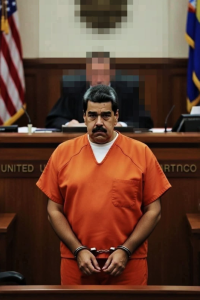
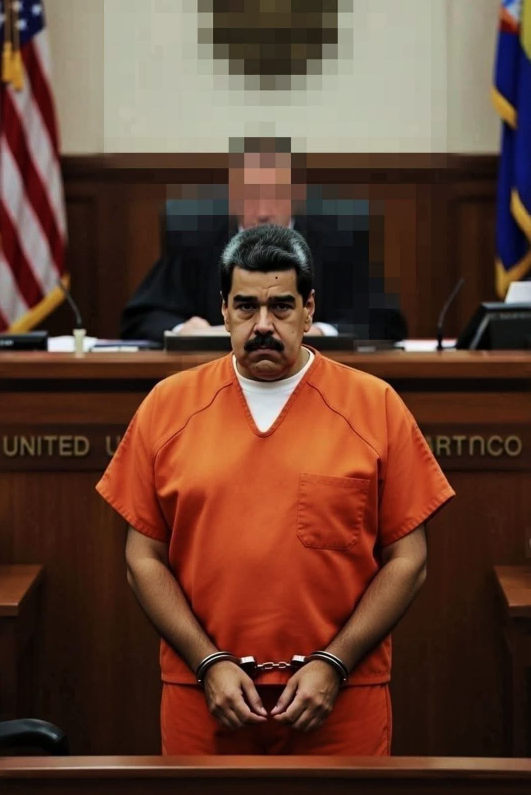
President Donald Trump publicly confirmed the operation, saying Maduro was seized as part of a long-standing effort to target narcotics trafficking and alleged corruption within Venezuela’s government. The Venezuelan leader was reportedly flown from Caracas to New York, where he has been indicted on drug-trafficking and narco-terrorism charges in federal court.
Reports emerging from the operation indicate the use of unconventional tactics. Some sources today allege a secret U.S. “sonic weapon” was used that incapacitated Maduro’s guards, causing symptoms such as vomiting and bleeding, although details remain unverified.
🧑⚖️ Maduro in U.S. Custody and Legal Proceedings
Since being brought to the United States, Maduro has made his initial court appearance in New York. He has pleaded not guilty to the charges, which include conspiracy to import cocaine and coordination with international criminal networks — serious accusations that U.S. prosecutors say justify the extraordinary steps taken to remove him from power and bring him before U.S. justice.
U.S. authorities have held him at a detention facility in New York, and the legal process is expected to continue with further hearings. Maduro has publicly claimed that he remains the rightful President of Venezuela and framed his arrest as an illegal abduction.
His defence lawyers are expected to challenge the legality of the arrest on sovereign immunity and international law grounds, arguing that no nation has the right to seize a sitting head of state without due process.
🇻🇪 Political Turmoil in Venezuela: New Leadership and Power Struggles
With Maduro removed from Venezuela, the Venezuelan Supreme Tribunal of Justice designated former Vice President Delcy Rodríguez as the interim president. Her quick elevation has been both supported and contested within Venezuela and regionally.
Rodríguez’s leadership marks a crucial transitional phase. She has been engaged in negotiations behind the scenes with international stakeholders, including the United States and intermediaries from countries such as Qatar. These discussions were reportedly aimed at ensuring a stable transition once Maduro was no longer in power.
Despite this official succession, the legitimacy of her government remains debated. Some Venezuelan political factions and opposition figures argue that neither Maduro nor Rodríguez represents true democratic authority after contested elections and longstanding allegations of human rights abuses. International recognition of leadership in Venezuela is now split, with several countries urging negotiations and others condemning U.S. actions.
🌍 International Response: Division and Concern
The U.S. operation has drawn mixed international reactions:
-
Some regional governments and analysts have praised the move as a long-overdue blow against corruption and drug trafficking.
-
Others condemn the operation as a violation of international law and sovereignty, warning it sets a dangerous precedent for future interventions.
Countries allied with Maduro, such as Cuba and others resistant to U.S. influence, have publicly protested the capture and called for his immediate release. Meanwhile, U.S. allies continue diplomatic engagements to contain potential fallout.
🛢️ Geopolitical Stakes: Oil, Economy, and Foreign Policy
Venezuela holds some of the largest oil reserves in the world, and its energy sector’s restructuring has become a central issue in post-Maduro policy debates.
The Venezuelan National Assembly is advancing major oil sector reforms that could break decades of state domination and open production to independent and foreign companies. This move has the backing of the U.S. government and aligns with broader efforts to revive Venezuela’s crippled oil industry.
Simultaneously, the Trump administration has authorized China to purchase Venezuelan oil at fair market prices — a significant shift from the deeply discounted arrangements that existed under Maduro’s rule. This is meant to stabilize oil markets and prevent a collapse of production, but it also highlights the balancing act between U.S. strategic interests and global energy demand dynamics.
🇺🇸 U.S. Diplomatic Moves: New Leadership and Strategy
In the post-Maduro landscape, the United States has appointed Laura Dogu as the new top envoy to oversee Venezuela affairs. Dogu, a seasoned diplomat with experience in Latin American politics, is expected to play a key role in executing U.S. stabilization plans and coordinating with regional partners.
The broader U.S. strategy includes efforts to reopen diplomatic channels, potentially resuming embassy operations in Caracas — a move that was shelved amid rising tensions in 2019. This reflects the administration’s intent to engage more deeply with Venezuelan political transition processes.
✈️ Human Impact: Migrants, Repatriations, and Regional Strain
Beyond politics and geopolitics, the human cost of Venezuela’s crisis continues to be profound. In the wake of the leadership upheaval, the first flight of deported Venezuelan migrants from the U.S. to Caracas resumed, marking a shift in immigration and repatriation policies. These transfers had been paused amid tensions and illustrate the immediate social implications of U.S.–Venezuela relations.
Additionally, debates over political prisoners, human rights, and the conditions of those who fled Venezuela over the past decade remain central to international concern.
📌 In Summary
The capture of Nicolás Maduro and his transfer to U.S. custody marks a historic and highly contentious turning point in the politics of Venezuela and U.S. foreign policy in the Western Hemisphere. The implications are far-reaching:
-
Maduro faces federal charges in the U.S.
-
Delcy Rodríguez now asserts interim leadership in Venezuela
-
International reactions are sharply divided
-
Venezuela’s future governance, oil policy, and international alignment remain in flux