1) Background: What Happened with the Iran Strikes
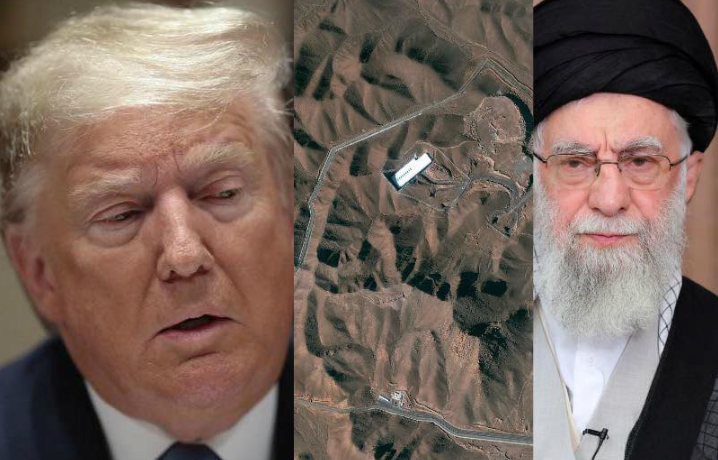
In June 2025, the United States launched military strikes against three Iranian nuclear sites — including at Fordow, Natanz, and Isfahan — in cooperation with Israel. President Trump publicly described this as a very successful military operation and warned Iran that further action would occur if necessary.
These strikes occurred without prior formal authorization from the U.S. Congress, which sparked widespread legal and political controversy.
2) Constitutional & Legal Framework
War Powers in the U.S. Constitution
The U.S. Constitution assigns war powers in a specific way:
-
Congress has the authority to declare war (Article I).
-
The President is Commander in Chief (Article II), meaning he directs military forces once deployed.
Over time, Congress passed the War Powers Resolution (1973) to curtail unilateral presidential war-making: It requires the President to notify Congress within 48 hours of initiating military action and generally limits hostilities without Congress’s explicit approval to 60-90 days.
Conflict Between Branches
Many legal scholars and policymakers debate how this framework applies to limited strikes like those on Iranian facilities:
-
Some argue that any military action with extended or strategic consequences without congressional consent is unconstitutional.
-
Others argue presidents have broad latitude under Article II to defend U.S. interests or respond to threats without prior authorization, especially if Congress has acquiesced historically.
This broad constitutional debate underpins much of the impeachment discussion.
3) Arguments for Impeachment
A. Violating Congressional War Powers
Many critics — especially on the political left — argue Trump bypassed Congress’s constitutional authority to authorize military action:
-
Rep. Alexandria Ocasio-Cortez called the strikes “a grave violation of the Constitution and Congressional war powers” and said they were clearly grounds for impeachment.
-
Other lawmakers like Sen. Chris Murphy stated that Trump’s actions were “illegal,” specifically because he did not seek congressional authorization.
Under this view, a president who initiates extended military actions without Congress’s prior consent usurps legislative powers and violates both the Constitution and the War Powers Resolution — making impeachment a legitimate constitutional remedy.
B. Abuse of Executive Power
Some critics frame the strikes as part of a pattern: They argue that using military force without congressional oversight — especially when no imminent threat to the U.S. was present — reflects an unchecked expansion of executive authority that Congress must restrain.
Rep. Al Green introduced an article of impeachment in the House that specifically accused Trump of violating the War Powers Resolution and usurping Congress’s power to declare war.
C. International Law Concerns
While impeachment is a domestic constitutional process, some advocates also cited international law violations (e.g., violation of the UN Charter) to bolster the argument that the administration acted unlawfully on multiple fronts.
4) Arguments Against or Critical of Impeachment
A. Impeachment Is Political, Not Automatic
Even many Democrats skeptical of the strikes argued that impeachment is unlikely and perhaps unwise:
-
Sen. John Fetterman, a Democrat, dismissed the impeachment push as not going anywhere and suggested it distracts from more concrete goals like war powers legislation.
-
Other centrist Democrats opposed impeachment talk, instead calling for Congress to reassert its war powers through legislation rather than using impeachment as a tool.
That reflects a broader pattern: impeachment is inherently a political process — not just a legal remedy. Even if someone believes the president violated the Constitution, Congress may decide other mechanisms (e.g., legislation, oversight, or elections) are more appropriate.
B. Lack of Votes in Congress
A major practical hurdle quickly emerged: the House of Representatives overwhelmingly rejected the impeachment effort led by Rep. Al Green and Republican Rep. Thomas Massie. The House voted 344-79 against the resolution demanding Trump remove forces engaged in unauthorized hostilities in Iran.
Even many Democrats voted to table the impeachment measure, with party leaders arguing it would be a distraction or unlikely to succeed given Republican control of both chambers.
Thus, Republicans were not united in supporting Trump’s strike, but they did not back impeachment either — leaving the effort doomed to fail.
C. Historical Precedent
Historically, Congress has often allowed presidents to conduct limited military actions without formal declarations of war — from Kosovo to Libya — without impeachment. This sets a precedent that many members of Congress are reluctant to break, even if they have concerns.
Many lawmakers have instead favored War Powers Resolutions or legislative checks rather than impeachment.
5) Public & International Reaction
Public Opinion
Polls taken after the strikes showed that a significant portion of Americans believed Congress should decide on military actions but opinion varied on impeachment or support for the strikes.
International Reaction
Iran strongly condemned the strikes, accusing the U.S. of violating international law, breaching Iranian sovereignty, and acting recklessly. Iranian officials warned the U.S. would be “fully responsible for dangerous consequences.”
Critics in other countries also cited international norms governing the use of force and the UN Charter.
6) What Impeachment Would Mean
If the House Impeached Trump
-
The House could adopt articles of impeachment alleging constitutional violations related to war powers.
-
The Senate would hold a trial.
-
Conviction and removal require a two-thirds majority in the Senate — nearly impossible given Republican control and Trump’s political support.
So impeachment — even if legally justified under some interpretations — is not guaranteed and is extremely unlikely to result in removal.
Why Some Still Support It
Supporters argue that impeachment is not just about removal — it would be a public constitutional reckoning over whether presidents can wage war without congressional oversight, potentially reshaping future executive behavior.
They see it as asserting legislative authority and constitutional balance against unilateral executive action.
7) Concluding Summary
The push to impeach Donald Trump over his unauthorized strikes on Iran stems from a constitutional debate about war powers. Critics argue those strikes usurped Congress’s exclusive authority to declare war and violated the War Powers Resolution and the Constitution. Lawmakers like Alexandria Ocasio-Cortez have called them grounds for impeachment.
However, impeachment is inherently political, and efforts to impeach Trump over this issue were overwhelmingly rejected by the House. Most Democrats, even when critical of the strike, preferred legislative checks or war powers resolutions over impeachment. Republicans also largely defended the President or rejected impeachment momentum.
As a result, impeachment remains a topic of debate but has not advanced, reflecting deep partisan divisions over the constitutional allocation of military authority, the wisdom of U.S. involvement in foreign conflicts, and the political realities of impeachment itself.