Mass Crackdown in Iran: Protesters Killed in Hundreds to Thousands
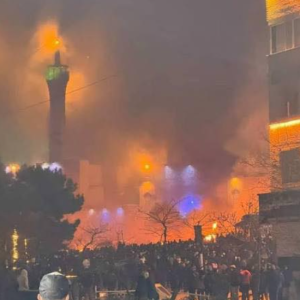
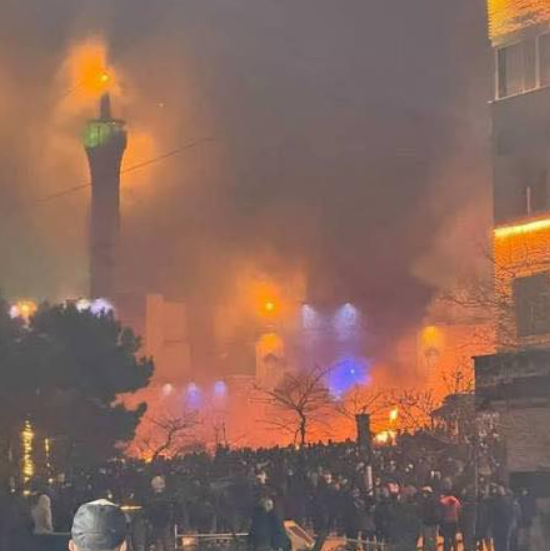
In the context of widespread anti-government protests in Iran, reports from international human rights organizations, activist groups, and some official Iranian sources suggest that a large number of demonstrators have been killed in a brutal crackdown by state security forces. These protests began in late December 2025 and have since grown into one of the most significant challenges to the Islamic Republic’s rule in decades.
Origins of the Unrest
The protests reportedly started amid deepening economic hardship, including soaring inflation, the collapse of the Iranian currency (the rial), and frustration over living standards. Demonstrations initially focused on socioeconomic grievances but quickly expanded into broader demands for political reform or even regime change.
Thousands of ordinary Iranians took to the streets in dozens of cities across all 31 provinces, signaling widespread discontent that transcended regional and class divisions.
Crackdown and Death Toll Estimates
Iran’s security forces — including the Islamic Revolutionary Guard Corps (IRGC) and associated Basij militia units — reportedly used live ammunition, armored vehicles, and crowd-control weapons against demonstrators in multiple regions. The regime also enacted a near-total internet and communications blackout in early January, which severely limited outside reporting.
Death toll figures vary dramatically depending on the source:
-
Human Rights Activists News Agency (HRANA), a U.S.–based monitoring group, said it had verified the deaths of at least around 2,000 protesters and others over a two-week period. According to HRANA: about 2,003 people killed, along with hundreds more being reviewed for confirmation.
-
Other activist estimates put the death toll even higher — in the 2,500–2,600 range or more — with HRANA reporting at least 2,571 deaths including both protesters and others.
-
Iranian government officials have given mixed and sometimes contradictory numbers. Some state figures have acknowledged roughly around 2,000 killed, but have also asserted that “terrorists” or foreign-linked elements, not government forces, were responsible for most casualties.
-
Independent international sources, including rights organizations and humanitarian news outlets, indicate the total death toll could be significantly higher — potentially exceeding 5,000 or more — although these higher numbers remain difficult to independently verify due to continued information restrictions inside Iran.
-
A comprehensive summary of varied reporting on casualties — citing everything from verified deaths to broader estimates from multiple organizations — shows the range from about 3,300 to well over 10,000 or even more in the context of ongoing repression.
Because of restricted communication inside Iran, exact figures remain uncertain, but most credible reports converge on the fact that multiple thousands of people have been killed as a result of the security forces’ use of lethal force during sustained protests.
International Reactions and Humanitarian Concerns
Human rights bodies outside Iran, including UN representatives and independent NGOs, have condemned the violence. The United Nations human rights chief publicly stated shock and horror at the killings, urging Iranian authorities to cease lethal force and respect peaceful protest rights.
Iranian state media and government officials have tended to frame the unrest differently, at times describing violent episodes as instigated by “armed terrorists” or foreign interests instead of civilian protesters. They have also emphasized that national security measures aim to restore order, not suppress legitimate grievances.
Trump’s Response: Warning, Support for Protesters, and Military Options
Meanwhile, U.S. President Donald Trump has been an active voice in the international reaction to the crisis. Trump has publicly urged Iranian protesters to continue their efforts against what he portrays as a “brutal regime,” telling them that “help is on its way” and urging them to “take over your institutions.”
From official statements and social media posts, Trump has:
-
Cancelled scheduled meetings with Iranian officials in response to the violence.
-
Insisted that Iran would “pay a big price” if protester killings continued.
-
Indicated that the U.S. has “many, many options”, including potentially military ones, to respond to the crackdown — though details have not been specified publicly.
At various points, Trump administration officials appear to have floated strong options ranging from economic sanctions and diplomatic isolation to placement of military assets in the region, and reportedly even considered possible airstrikes in response to executions or sustained killing of civilians.
That said, as of the latest reporting, Trump also publicly paused imminent military strikes following assurances (which are unverified externally) that the Iranian government had reduced lethal actions against protesters.
Global Diplomatic Ramifications
The situation has wider geopolitical implications:
-
Iran’s exchanges with other major powers — including Russia and China — have touched on the risk of “disastrous consequences” if foreign powers intervene.
-
Europeans and other Western governments have signaled possible further sanctions if Iran continues lethal repression.
-
Iran’s foreign minister has at times expressed conditional willingness to negotiate with the U.S., even as relations remain extremely strained.
Summary and Ongoing Uncertainty
To summarize the key points based on current verified reporting:
-
Iran has experienced large-scale anti-government protests that evolved into a broad challenge to the Islamic Republic’s leadership.
-
Security forces have responded with lethal force, and credible human rights sources suggest thousands of protesters have been killed — including reports that at least around 2,000 in a short period of time (e.g., ~48 hours) may have died during intense crackdowns.
-
The true death toll is uncertain due to restricted communication, but most credible outside estimates put the number well into the thousands.
-
The U.S. response under President Trump has shifted between public encouragement of protesters, imposition of sanctions, and consideration of military options — though direct intervention has not been ordered as of the latest reporting.
The crisis remains fluid, and major international diplomatic, humanitarian, and security developments are expected as governments and organizations continue to react. Global attention remains focused on both the human toll inside Iran and the broader regional consequences of how the situation evolves.