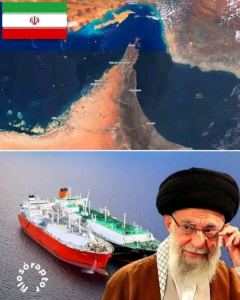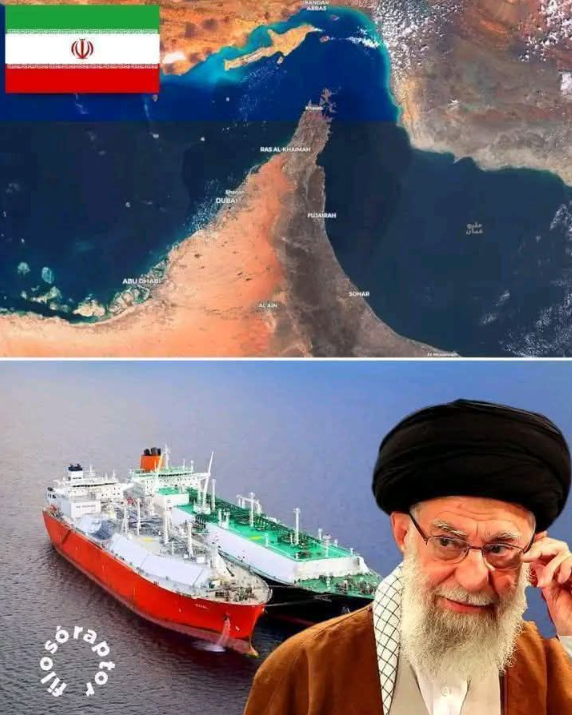
1. What Happened: Parliament Approves Closure Measure
On June 22, 2025, Iran’s parliament (the Majlis) voted to approve a resolution that would authorize the closure of the Strait of Hormuz, a critical maritime chokepoint for global oil shipments. This decision came in direct response to recent U.S. airstrikes on Iran’s nuclear facilities—which Tehran labeled as “blatant aggression.” Gulf News
However, it’s important to clarify that this parliamentary vote is not an immediate shutdown of the strait itself. Instead:
-
The parliament’s vote amounts to authorization for the government to act.
-
The final authority to close the strait rests with Iran’s Supreme National Security Council (SNSC)—an influential body chaired by Iran’s president and guided by the Supreme Leader. Gulf News
So while this is a dramatic step, actual closure is not automatic or guaranteed yet.
2. Why the Strait of Hormuz Matters


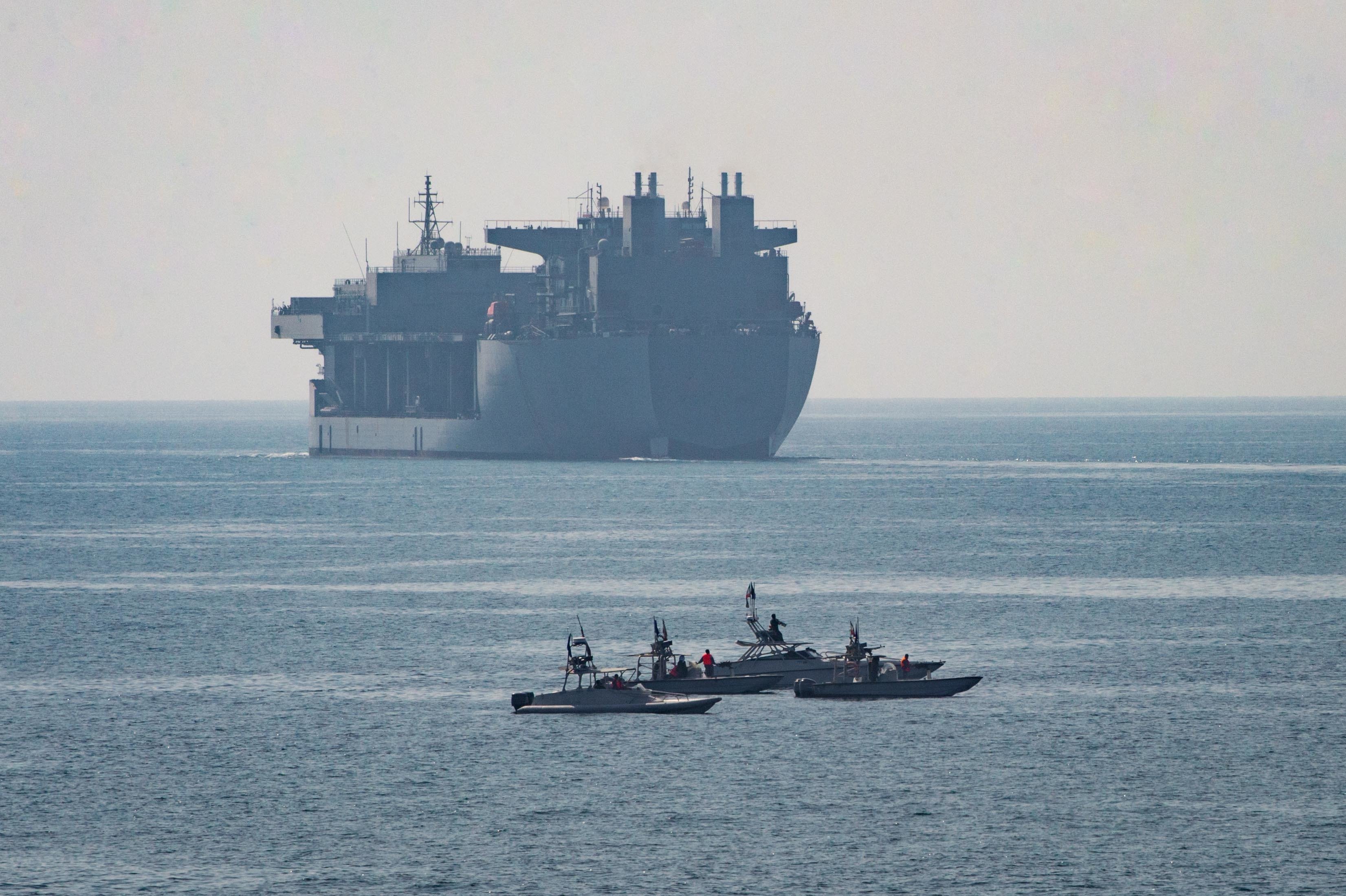
The Strait of Hormuz is one of the most strategically important waterways on Earth:
🛢️ Energy lifeline:
-
It connects the Persian Gulf with the Gulf of Oman and the Arabian Sea.
-
Nearly 20% of the world’s crude oil and liquefied natural gas exports pass through it daily. Balkanweb
🚢 Narrow but essential:
-
The strait is only about 21 miles (34 km) wide, creating a natural bottleneck for global energy trade.
-
A significant portion of the Middle East’s oil production—especially from Saudi Arabia, the UAE, Kuwait, Qatar, and Iraq—transits through this narrow channel. The Diplomatic Insight
Because of this, any disruption—even temporary—can send shockwaves through global oil markets, affecting prices, shipping costs, and economic stability worldwide.
3. Why Iran Took This Step Now
The vote by Iran’s parliament did not occur in isolation. It happened in the context of escalating regional tensions, particularly:
A. U.S. Airstrikes on Iranian Nuclear Facilities
In the days before the parliamentary vote, U.S. military forces carried out coordinated airstrikes on several key Iranian nuclear sites—including at Natanz, Fordow, and Isfahan. Officials in Tehran strongly condemned the strikes as an unprovoked attack on Iranian sovereignty. Gulf News
Iran’s legislature responded with heightened rhetoric and action, framing the vote as a defensive and symbolic measure that could be invoked if Tehran deemed it necessary.
B. Domestic Political Pressures
Iran’s political structure includes numerous power centers—such as the parliament, Supreme Leader, Revolutionary Guard, and SNSC. In times of crisis, pressure can mount within Tehran to demonstrate resolve against external threats. This parliamentary vote reflects that dynamic: a show of defiance and national unity against foreign military pressure. Gulf News
C. Regional Tensions & Historical Rivalries
Iran has a long-standing adversarial relationship with the United States and some of its regional partners. Moves perceived as external interference or aggression often trigger robust reactions from Tehran’s leadership and lawmakers.
4. What Closing the Strait Would Mean
If Iran actually shuts down the Strait of Hormuz, the consequences would be severe and far-reaching.
A. Global Oil Market Disruption
-
With about 1 in 5 barrels of oil passing through Hormuz daily, closure would dramatically reduce global supply.
-
Oil prices would likely spike sharply, increasing costs for consumers and businesses worldwide. Energy importers like China, India, and European countries would be hit especially hard. Gulf News
B. Economic Impacts
-
Higher energy costs would ripple through global markets, increasing transportation and manufacturing costs.
-
Some industries—especially those heavily reliant on oil and gas—could face production slowdowns.
-
Stock markets generally react negatively to geopolitical shocks and energy shortages.
C. Regional Security Escalation
A closure would likely escalate military tensions in the Persian Gulf:
-
U.S. and allied naval forces are active in the region, including carriers and patrol vessels.
-
Past incidents have seen confrontations between Iranian forces and U.S. ships or aircraft.
-
A full-scale blockade or closure could trigger military retaliation or a wider conflict involving multiple states.
5. International Reactions & Diplomatic Pressure
Already, global powers are responding:
United States
Washington publicly downplayed the immediate risk of closure but is closely monitoring developments. According to reports, U.S. officials even urged China to engage diplomatically with Iran to prevent the closure of the strait, given how critical it is for global oil flows—and China’s significant energy ties to Middle Eastern producers. The Economic Times
China and Other Major Consumers
China, India, and other large energy importers have interests in stability. Disruptions in Hormuz would hurt their economies and energy security.
Countries dependent on Persian Gulf exports have historically advocated for freedom of navigation through the strait.
Oil Markets and Traders
Even the possibility of closure is enough to influence markets. Reports noted sharp increases in oil prices on the day of Iran’s parliamentary vote, as traders priced in the risk of disruption. Gulf News
6. Why Closure Isn’t Automatic (Yet)
A key point: parliament’s vote is not the final word.
Role of Supreme National Security Council
Iran’s SNSC has the final authority on matters of war, peace, and national defense, including whether to implement the closure of Hormuz. The parliament’s vote authorizes the concept, but the SNSC—and ultimately the Supreme Leader—would have to approve and order actual closure. Gulf News
Economic Self-Harm
Closing the strait would also harm Iran’s own economy:
-
Iran exports its own oil through Hormuz.
-
A closure could damage Iran’s revenue and political legitimacy.
-
Experts note that major powers often threaten closure as leverage rather than enact it fully.
So while the vote is symbolically powerful, many analysts view a complete closure as unlikely without a dramatic escalation. Market watchers and governments are waiting to see how the SNSC responds.
7. Broader Implications
A. Geopolitical Signals
Iran’s actions send a clear message to both the United States and regional rivals: Iran is willing to leverage its geostrategic position and economic choke points in response to perceived aggression.
B. Energy Security Reconsidered
Countries may accelerate efforts to diversify energy sources and reduce dependence on Persian Gulf shipments—through alternative supply routes, stockpiles, or renewable energy.
C. Military Posturing
All sides are likely to reinforce forces in the region. The U.S. has a significant naval presence in the Gulf and Indian Ocean, while Iran has asymmetric capabilities that could disrupt shipping or regional military assets.
8. Conclusion
Iran’s parliament approved a measure to close the Strait of Hormuz, marking one of the most provocative political actions in recent Middle Eastern diplomacy. While the vote itself does not immediately close the strait, it:
-
reflects heightened tensions following U.S. military action,
-
signals Iranian resolve, and
-
raises the specter of significant global economic and energy impacts if implemented.
The situation remains fluid. The key decision now lies with Iran’s Supreme National Security Council and Supreme Leader, who will weigh the risks of actual closure against strategic benefits.