False “R.I.P. Will Smith” Death Hoax Spreads Online: Here’s the Truth
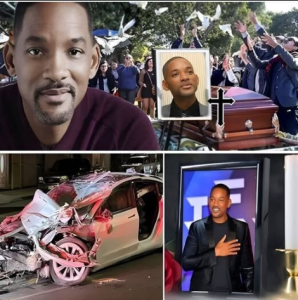
In the age of social media, information travels faster than ever—but so does misinformation. In recent days, alarming posts declaring “R.I.P. Will Smith” have circulated across platforms, leaving fans shocked, confused, and grieving. Headlines framed as “SAD NEWS” or “Hollywood Legend Has Passed Away” spread rapidly, often accompanied by emotional language, crying emojis, and vague phrases like “See more.” Despite how convincing these posts may appear at first glance, the truth is clear and important to state plainly: Will Smith is alive, and reports of his death are false.
This latest wave of misinformation is part of a long-standing internet phenomenon known as the celebrity death hoax. High-profile figures—especially those with decades-long careers and global fan bases—are frequent targets. Will Smith, one of the most recognizable entertainers in the world, has unfortunately been caught in these false narratives multiple times before.
How the Hoax Spread
The anatomy of a celebrity death hoax is surprisingly consistent. It usually begins with a sensational headline designed to trigger an emotional response. Phrases like “R.I.P.,” “SAD NEWS,” or “Just confirmed” are deliberately chosen to stop users mid-scroll. These posts rarely provide verifiable details such as dates, locations, or official statements. Instead, they rely on ambiguity, encouraging readers to click, share, or comment without checking the facts.
Social media algorithms often amplify this kind of content. Posts that generate strong reactions—shock, sadness, anger—are more likely to be promoted. As people share the headline without reading further, the rumor gains momentum. Within hours, thousands or even millions of users may see the false claim, creating the illusion that it must be true simply because it’s everywhere.
Why Will Smith Is a Frequent Target
Will Smith’s fame spans generations. From his early days as a rapper, to his breakout role on The Fresh Prince of Bel-Air, to blockbuster films like Men in Black, Independence Day, Ali, and King Richard, his presence in popular culture is immense. With such visibility comes vulnerability to misinformation.
Additionally, Smith has been open about personal struggles, public controversies, and moments of reflection in recent years. Hoax creators often exploit this openness, twisting real-life challenges into false narratives of tragedy or death. The goal is not accuracy, but attention.
The Reality: Will Smith Is Alive and Active
Contrary to the viral rumors, Will Smith remains alive and continues to be active professionally and personally. He maintains a public presence through interviews, social media updates, creative projects, and public appearances. No credible news organization, family member, or official representative has announced his death—because there is nothing to announce.
When a real public figure passes away, the news is confirmed quickly by reliable sources: major media outlets, family statements, or official representatives. None of these confirmations exist in this case. The absence of credible verification is one of the clearest indicators that a viral “R.I.P.” post is false.
The Emotional Impact of Fake Death News
While some may dismiss death hoaxes as harmless pranks or clickbait, their emotional impact is real. Fans experience genuine grief, shock, and anxiety when they believe a beloved figure has died. For many people, celebrities like Will Smith are deeply connected to formative memories—childhood TV shows, favorite movies, or songs tied to important life moments.
Even more concerning is the effect such rumors can have on the individual being targeted and their family. Imagine waking up to thousands of messages mourning your death, or seeing loved ones panic after encountering false reports. These hoaxes are not victimless; they cause confusion, distress, and emotional harm.
Why People Fall for These Hoaxes
The human brain is wired to react quickly to emotional information. When we see words like “R.I.P.” or “has passed away,” we instinctively respond before engaging critical thinking. Social media further complicates this by encouraging speed over accuracy. The pressure to be “first” to share news often overrides the impulse to verify it.
Another factor is trust. Many people assume that if a post looks professional, uses familiar formatting, or appears on a popular page, it must be legitimate. Unfortunately, misinformation creators are increasingly skilled at mimicking real news styles.
How to Spot and Stop Fake Death News
There are practical steps everyone can take to prevent the spread of false information:
-
Check credible sources – Look for confirmation from established news organizations.
-
Be wary of vague language – Real news includes specifics; hoaxes rely on mystery.
-
Don’t share immediately – Pause before reposting emotional content.
-
Look for official statements – Families or representatives usually confirm major news.
-
Report false posts – Most platforms allow users to flag misinformation.
By practicing these habits, users can slow the spread of hoaxes and help protect others from unnecessary distress.
The Bigger Picture: Misinformation in the Digital Age
The Will Smith death hoax is not an isolated incident. Similar false reports have targeted countless public figures across entertainment, sports, and politics. These incidents highlight a broader challenge of our time: distinguishing truth from fiction in an environment driven by speed and engagement rather than accuracy.
Media literacy—understanding how information is created, shared, and manipulated—is more important than ever. Each user plays a role in shaping the online ecosystem. Sharing responsibly is not just a personal choice; it’s a collective responsibility.
A Final Word
Will Smith is alive. Claims suggesting otherwise are false and misleading. While it’s natural to react emotionally to alarming headlines, moments like this remind us of the importance of verification, patience, and critical thinking.
Instead of mourning a life that has not ended, this is an opportunity to appreciate the artist, actor, and cultural figure Will Smith continues to be—while also reflecting on how easily misinformation can shape our perceptions. In an era where rumors travel at lightning speed, truth still matters, and it’s up to all of us to protect it