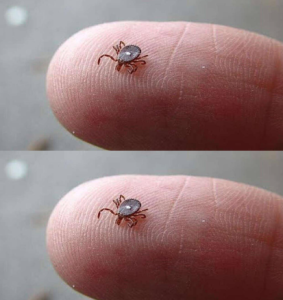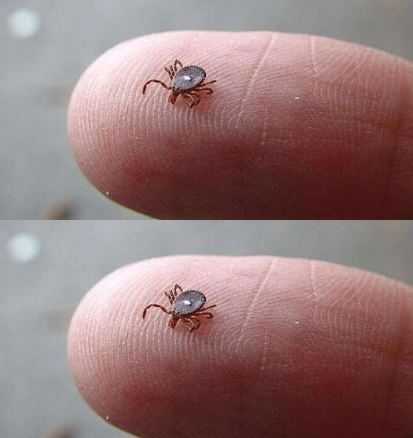
If You Notice This Insect, Take These Steps!
Insects are a normal part of our environment. Most are harmless, many are beneficial, and only a few pose real risks to humans, pets, homes, or ecosystems. However, when you suddenly notice an unfamiliar insect—especially one that appears aggressive, unusually large, invasive, or present in large numbers—it’s important to respond calmly and correctly. Knowing what steps to take can prevent injury, protect your property, and stop a small problem from becoming a serious one.
Stay Calm and Observe Carefully
The first and most important step is not to panic. Sudden movements, swatting, or attempts to kill an insect without knowing what it is can lead to bites, stings, or accidental spread. Instead, pause and observe from a safe distance.
Pay attention to:
-
The insect’s size, color, and shape
-
Whether it can fly or crawl
-
How many you see (one insect versus many)
-
Where it is located (indoors, garden, trees, walls, or near water)
-
Its behavior (aggressive, slow-moving, hiding, swarming)
These details are crucial if you later need professional help or identification.
Do Not Touch It With Bare Hands
Even insects that look harmless can bite, sting, or carry allergens. Some insects release defensive chemicals when threatened, which may irritate skin or eyes. Avoid direct contact, especially if you don’t know what species it is.
If the insect is indoors, keep children and pets away from the area. Close doors to limit its movement, and open windows only if you are sure it won’t invite more insects inside.
Take a Clear Photo or Video
If it’s safe to do so, take a clear photo or short video using your phone. Try to capture:
-
The insect from the side and top
-
Any distinct markings or colors
-
Its size compared to a familiar object (coin, pen, or leaf)
This visual record can help experts identify the insect accurately. Do not get too close—zoom in instead.
Identify the Insect
Once you have an image, try to identify the insect using reliable sources such as:
-
University extension websites
-
Government agriculture or environmental agencies
-
Trusted insect identification guides
Avoid relying solely on social media rumors, which often exaggerate dangers. Many insects are wrongly labeled as “deadly” when they pose little to no threat.
Correct identification matters because the response for a harmless beetle is very different from that for an invasive species or a venomous insect.
Assess the Risk Level
Ask yourself a few key questions:
-
Is it inside your home or outside?
-
Is it alone or part of a growing population?
-
Has it damaged plants, wood, food, or furniture?
-
Has anyone been bitten or stung?
If the insect is outdoors and not causing harm, the best action may be to leave it alone. Nature often balances itself. However, if it’s indoors, damaging property, threatening health, or spreading rapidly, action is needed.
Avoid DIY Chemicals at First
Spraying random chemicals or pesticides without knowing the insect can make the situation worse. Some insects scatter when sprayed, spreading deeper into walls or hidden spaces. Others are resistant to common products.
Overuse of chemicals can also:
-
Harm pets and children
-
Damage indoor air quality
-
Kill beneficial insects
-
Violate local environmental guidelines
If treatment is necessary, use products specifically designed for the identified insect—or wait for professional advice.
Contain the Situation Safely
If the insect must be removed immediately, consider non-lethal and low-risk methods:
-
Use a glass and cardboard to trap a single insect
-
Vacuum insects if recommended for that species
-
Seal entry points such as cracks, gaps, or open vents
For outdoor insects, remove attractants like food waste, standing water, or excessive lighting at night.
Contact Professionals When Needed
If you suspect the insect is:
-
Venomous or aggressive
-
An invasive species
-
Causing structural damage
-
Appearing in large or increasing numbers
Contact a licensed pest control professional or local agricultural extension office. They can confirm identification and recommend safe, effective action.
Early reporting is especially important for invasive insects, as quick action can protect local ecosystems and agriculture.
Monitor and Prevent Future Encounters
After the situation is handled, focus on prevention:
-
Seal cracks around doors and windows
-
Keep food stored in airtight containers
-
Reduce moisture and fix leaks
-
Maintain clean yards and trimmed vegetation
-
Inspect items brought indoors from outside
Prevention is often easier and cheaper than treatment.
Educate, Don’t Panic
Many insects look alarming but are harmless. Education helps reduce unnecessary fear and environmental damage. Teach children to observe insects rather than fear them, and explain the difference between dangerous and beneficial species.
At the same time, take warnings seriously when experts identify real risks. Balanced awareness—not panic—is the key.
Final Thoughts
Seeing an unfamiliar insect can be unsettling, but your response matters more than the insect itself. Staying calm, avoiding contact, identifying correctly, and taking measured steps can protect your health, your home, and the environment. Insects play a vital role in nature, and only a small number require intervention.
When in doubt, remember: observe, identify, assess, and act responsibly. A careful response today can prevent a much bigger problem tomorrow