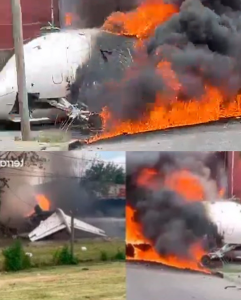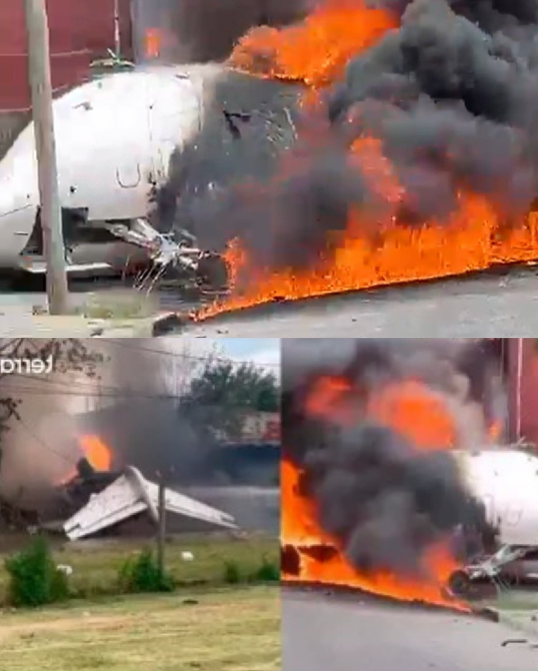
“SAD! RIGHT NOW, PLANE WITH MORE THAN 244 ONBOARD JUST CRASH!” — What We Know, What We Don’t, and Why Caution Is Critical
A chilling headline like this spreads fast—“RIGHT NOW… plane with more than 244 onboard just crashed.” It triggers fear, grief, and an instinctive urge to share. But in moments like these, accuracy matters as much as empathy. As of this writing, there is no verified, official confirmation supporting this claim. What appears to be circulating is an unverified alert, and aviation experts urge the public to pause before accepting or amplifying it.
Below is a clear-eyed look at how such reports typically emerge, how real aviation accident confirmations work, and why restraint is essential—especially when lives may be involved.
Why Immediate Confirmation Is Rare—but Misinformation Is Fast
Commercial aviation incidents are among the most monitored events on Earth. Airports, airlines, air traffic control, satellite trackers, emergency services, and independent analysts all converge within minutes. When a large passenger aircraft crashes, confirmation follows quickly and publicly—often within an hour—because too many independent systems are involved for the event to remain ambiguous.
By contrast, misinformation travels instantly. A single post—often with “See more” attached—can snowball across platforms before facts catch up. This mismatch between viral speed and verification speed is why false alarms are common during breaking news moments.
The Red Flags in the Headline
Several elements signal caution:
-
Vague timing (“RIGHT NOW”)
Genuine alerts usually include a time window or are quickly updated by authorities. -
No location named
Real incidents specify an airport, route, or region almost immediately. -
No airline or flight number
Even early reports typically identify at least one of these. -
No official source cited
Credible reports reference aviation authorities, airlines, or emergency agencies. -
Emotional framing (“SAD!”)
Sensational language often precedes verification.
None of these alone prove a claim is false—but together, they demand skepticism.
How a Real Plane Crash Is Confirmed
If an aircraft carrying hundreds of passengers were to crash, the confirmation process would look like this:
-
Air traffic control declares an emergency or loss of contact
-
Airport authorities issue statements
-
The airline acknowledges an incident involving a specific flight
-
Emergency services confirm deployment and location
-
Aviation regulators (civil aviation authorities) provide preliminary details
-
Major news organizations corroborate independently
These steps unfold rapidly and in parallel. Silence across all official channels strongly suggests the claim is unverified or incorrect.
Common Sources of False “Crash” Reports
Over the years, many alarming aviation headlines have later been traced to:
-
Emergency landings misreported as crashes
-
Turbulence injuries described inaccurately
-
Radar anomalies mistaken for downed aircraft
-
Old videos or photos recirculated as “breaking news”
-
Hoaxes or engagement bait designed to provoke fear and clicks
In some cases, even military exercises or airport incidents are wrongly framed as passenger disasters.
The Human Cost of Getting It Wrong
Every unverified crash claim affects real people:
-
Families panic, searching for loved ones
-
Airline staff field waves of distress calls
-
First responders face confusion from false reports
-
Public trust erodes when stories collapse
This is why responsible journalists and analysts emphasize confirmation over speed—especially with aviation, where accuracy is paramount.
What to Do When You See a Headline Like This
Before sharing or reacting, take a breath and check:
-
Is a specific airline named?
-
Is there a location or airport mentioned?
-
Are official statements quoted?
-
Are multiple reputable outlets reporting the same details?
If the answer is “no” to most of these, the safest assumption is unverified.
Why “244 Onboard” Sounds Specific—but Isn’t Proof
Numbers can create an illusion of certainty. But early false reports often include rounded or plausible passenger counts to appear credible. In real incidents, initial numbers may change as manifests are confirmed—another reason authorities are careful before releasing figures.
Specificity without sourcing is not evidence.
Waiting for Truth Is Not Indifference
Choosing not to spread an unconfirmed claim does not mean ignoring potential tragedy. It means respecting the process that ensures families receive accurate information, not rumors. When real disasters occur, facts emerge—and they endure scrutiny.
If confirmation arrives, it will be unmistakable.
The Bottom Line
At this moment, the claim “plane with more than 244 onboard just crashed” has not been verified by credible, official sources. The headline bears multiple warning signs associated with misinformation. Until authorities confirm details—airline, location, time, and response—the responsible position is caution.