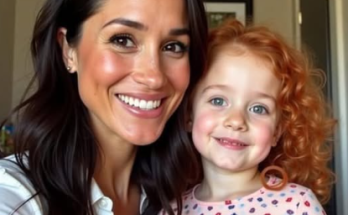
Smiles of Strength in the Midst of Struggle
A smile can be one of the most misunderstood expressions of all. It is often assumed to be a sign of happiness, ease, or comfort, yet in many cases, a smile represents something far deeper and more complex. For countless people around the world, smiles are worn not because life is easy, but because life is hard—and they have chosen to keep going anyway. These are the smiles of strength, formed in the midst of struggle.
Struggle takes many forms. It can arrive as illness, loss, poverty, discrimination, or silent emotional battles that no one else sees. It can stretch over months or years, reshaping identities and expectations. And yet, in the middle of such hardship, people still smile. Not to deny their pain, but to declare that pain does not own them.
One of the most powerful aspects of these smiles is their quiet defiance. They are not loud or dramatic; they do not demand attention. Instead, they emerge in hospital rooms, refugee camps, classrooms, and workplaces—small gestures that speak volumes. A person undergoing treatment smiles at a loved one to ease their worry. A parent struggling to make ends meet smiles for their child, creating a sense of safety even when uncertainty looms. These smiles are acts of love as much as they are acts of endurance.
Psychologists often note that smiling during difficult times can be a coping mechanism. It does not erase suffering, but it can create brief moments of relief. Smiling can release tension, foster connection, and remind the brain that hope still exists. In this way, a smile becomes both an emotional signal and a survival tool.
Yet it is important to understand that smiling through struggle is not the same as pretending everything is fine. Strength does not require constant positivity. True resilience allows space for grief, anger, and exhaustion alongside moments of warmth and humor. The strongest smiles are often the ones that coexist with tears—the kind that say, “This is hard, but I am still here.”
History is filled with examples of this quiet strength. Communities facing oppression have used music, laughter, and shared joy as resistance. Individuals living through wars, natural disasters, or systemic injustice have found ways to smile at one another, preserving humanity in conditions designed to strip it away. These smiles are not naive; they are courageous.
On a personal level, many people recall moments when smiling felt almost impossible—and yet they did. At a funeral, offering a gentle smile while sharing a memory. After a setback, smiling at a friend who shows up anyway. In those moments, the smile does not minimize pain; it honors connection. It says that even in loss, relationships and meaning endure.
There is also strength in recognizing when smiling is not possible. Sometimes resilience means allowing oneself to rest, to cry, or to ask for help. A forced smile can become a burden if it replaces honesty. The healthiest expressions of strength balance openness with perseverance, acknowledging struggle without surrendering to it.
In everyday life, we often pass by these smiles without realizing what they contain. The cashier who greets customers warmly while carrying personal grief. The student who laughs in class while fighting anxiety. The elder who smiles at visitors despite chronic pain. These moments invite compassion. They remind us that everyone we encounter is fighting battles we may never see.
Smiles of strength also ripple outward. They reassure others, build trust, and create moments of shared humanity. A single smile in a difficult moment can ease tension, inspire kindness, or give someone else the courage to keep going. In this way, resilience becomes contagious.
In a world that often equates success with ease, these smiles challenge that narrative. They teach us that dignity is not found in a struggle-free life, but in how we move through hardship. They show us that joy and pain are not opposites, but companions that shape a fuller human experience.
Ultimately, smiles of strength are not about hiding suffering—they are about honoring perseverance. They are reminders that even when circumstances are heavy, the human spirit retains the capacity for grace. In the midst of struggle, a smile becomes more than an expression. It becomes a quiet promise: I am still standing, and I have not given up