Why Your Jeans Get Those Weird Ripples After Washing
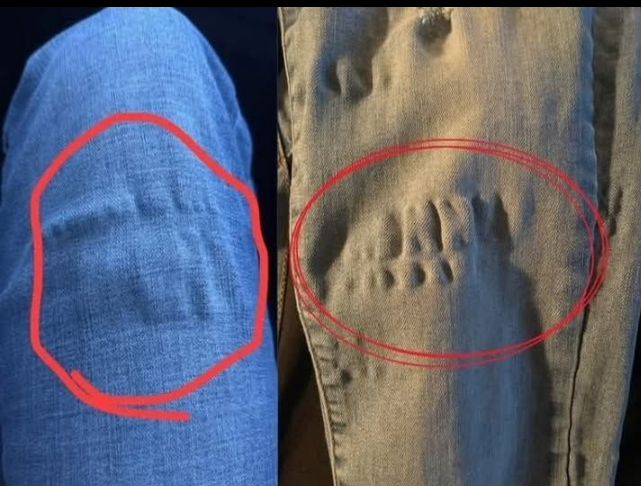
If you’ve ever pulled your favorite pair of jeans out of the wash only to find strange ripples, puckers, or wavy lines running across the fabric, you’re not alone. It’s one of the most common denim frustrations—right up there with shrinking, fading, and mysteriously losing the perfect fit. These ripples can make jeans look old, worn-out, or cheaply made, even if they’re brand new. But why does this happen? What causes it? And most importantly, how can you prevent it?
To understand the ripples, you first need to understand how denim behaves. Denim isn’t just another fabric. It has a personality, a memory, and a structure that responds dramatically to water, heat, tension, and movement.
Let’s break down the science behind those weird ripples—and what you can do to keep your jeans smooth, clean, and good-looking.
1. Denim Is a Twill Weave: That Means It Moves Asymmetrically
Denim is made using a twill weave, where the threads cross over each other at an angle instead of perfectly straight up-and-down (like cotton sheets). This diagonal structure gives denim its signature look—but also makes it behave in unpredictable ways.
When denim gets wet:
-
The cotton fibers swell
-
The weave shifts slightly
-
The fabric relaxes in some areas and tightens in others
As the fabric dries, these shifts can cause wavy texture changes that turn into ripples.
This effect is especially noticeable in:
-
tightly woven denim
-
raw or unwashed denim
-
cheap fast-fashion jeans with thin fabric
-
jeans with lots of stretch
The more complex the weave, the more easily it warps.
2. Tension Lines Form During Washing and Drying
Your washing machine isn’t gentle—no matter what setting you choose. As your jeans twist, tumble, rub, and stretch, they experience uneven tension. This tension causes the threads to stretch in different directions. The result?
Tension lines = ripples.
Common tension-based ripple areas:
-
around the thighs
-
behind the knees
-
across the hips
-
near the waistband
-
around the zippers and pockets
These are the spots that experience the most movement—not just in the washer, but while you wear them.
3. Stretch Denim Makes Ripples More Noticeable
Most modern jeans contain elastane (spandex) or other stretch fibers. And while stretch denim is incredibly comfortable, it comes with a downside: rippling.
Stretch fibers behave differently from cotton:
-
Cotton swells and shrinks.
-
Elastane stretches but doesn’t shrink.
-
When cotton shrinks around elastane, the fabric puckers.
This mismatch creates ripples, especially after repeated washes. Stretch jeans often develop:
-
waves around the thigh
-
ripples around the butt area
-
wrinkling around the knees
-
sagging near the pockets
The more elastane your jeans contain, the more likely they are to ripple after washing.
4. Heat Causes Fabric Warping
Heat is denim’s worst enemy.
High heat from:
-
hot water
-
dryers
-
ironing on the wrong setting
can cause the cotton fibers to contract too quickly. When that happens, the fabric tightens unevenly, especially in areas where stitching reinforces the seams.
The heavier the stitching, the more the fabric pulls around it after shrinking.
That’s why ripples often appear:
-
along the outside leg seams
-
around the fly
-
behind the knees
-
around pocket stitching
Heat exaggerates every pull, twist, and movement that happened during the wash cycle.
5. Poor Quality Denim is More Prone to Ripples
Jeans vary dramatically in quality.
High-quality denim:
-
uses longer cotton fibers
-
has stronger weave consistency
-
holds its shape better
-
resists twisting and rippling
Lower-quality denim:
-
uses short, uneven fibers
-
loosens easily when wet
-
shrinks unpredictably
-
develops ripples more quickly
Fast-fashion jeans are notorious for rippling after only a few washes because manufacturers use cheaper denim that doesn’t handle moisture or tension well.
6. Overloading the Washing Machine Creates Fabric Distortion
If you toss your jeans into an overloaded machine, they can’t move freely. This forces the fabric to twist sharply against the other clothes, which leads to:
-
harsh creasing
-
diagonal twisting
-
warped seams
-
permanent rippling
On the other hand, washing a single pair of jeans alone can also be bad—the jeans slam against the drum and twist too much.
Jeans prefer balance:
-
not too packed
-
not too empty
-
washed with other heavy items like towels
7. The Dryer Is the Biggest Culprit
If you’re wondering what causes the worst ripples, it’s the dryer.
Here’s why:
-
Denim shrinks quickly in heat.
-
The drying cycle twists the jeans constantly.
-
The fabric dries unevenly across panels.
-
The waistband, pockets, and seams shrink at different rates.
This combination almost guarantees ripples.
Even high-quality jeans can develop waves if you dry them on high heat.
How to Prevent Ripples: Pro Tips
Now that we understand why ripples happen, here’s how to stop them before they start.
1. Wash Jeans Inside Out
This reduces friction on the outer layers and keeps the weave stable.
2. Use Cold Water
Cold water helps the fibers swell less, meaning fewer distortions.
3. Air-Dry Only (Hang or Lay Flat)
This is the #1 most effective way to stop ripples.
Even better:
-
Hang them by the waistband
-
Or lay them flat to dry
Avoid sunlight, which can stiffen the fabric.
4. Smooth Them Out While Damp
Before the jeans fully dry:
-
pull the legs straight
-
flatten the seams
-
adjust the waistband
-
smooth out the knees and hip area
Denim has “memory” — if you shape it correctly while damp, it dries better.
5. Avoid High-Heat Dryers
If you must use a dryer:
-
choose low or no heat
-
remove jeans while slightly damp
-
finish with air drying
6. Don’t Overwash
Denim doesn’t need frequent washing. Washing less means fewer chances for ripples to form.
7. Choose Higher-Quality Denim
Longer fibers and tighter weaves resist distortion. If you invest in good jeans, they last longer and keep their shape better.
Final Thoughts
Ripples in jeans aren’t random — they’re the result of denim’s natural structure, the washing process, heat, tension, and the type of fibers used in the fabric. Understanding the causes helps you prevent the problem before it appears.
With the right washing habits, careful drying, and smart fabric choices, you can keep your jeans looking smooth, clean, and stylish for years.