First Waves Hit Hawaii After Huge Earthquake: A Nation Holds Its Breath 🌊
Early this morning, a powerful and unexpected seismic event shook the Pacific region, sending shockwaves of fear and urgency across island communities. The first tsunami waves have officially reached the shores of Hawaii following a massive earthquake that struck deep beneath the ocean floor. Sirens blared, evacuation alerts lit up phones, and thousands rushed to higher ground as authorities worked swiftly to coordinate an emergency response.
According to the United States Geological Survey (USGS), the earthquake measured a staggering 8.2 magnitude and originated in the Pacific Ocean several hundred miles southwest of the islands. Though the epicenter was not directly beneath Hawaii, the tremor’s intensity was powerful enough to trigger a tsunami warning across the Pacific basin.
A Sudden Jolt Beneath the Sea
The quake struck at approximately 5:42 a.m. local time. In just minutes, automated warning systems activated, issuing alerts to coastal residents and visitors. “The ground didn’t shake here, but our phones started going off all at once,” said one resident in Honolulu. “That’s when we knew something serious had happened.”
Experts say this earthquake occurred along a major subduction zone, where tectonic plates grind against each other. When these plates suddenly slip, enormous energy is released—creating seismic waves that ripple outward. In underwater zones, such events can displace massive volumes of water, resulting in the formation of tsunami waves that can travel at speeds of up to 500 miles per hour.
First Waves Reach the Shore
By 6:28 a.m., the first waves arrived on Hawaii’s southern shores. These initial surges were not towering walls of water but still strong enough to cause rapid flooding in low-lying areas, pulling debris and smaller vessels out to sea.
“The first wave is rarely the largest,” warned an official from the Hawaii Emergency Management Agency. “The danger increases over time as subsequent waves arrive. We urge everyone to stay in evacuation zones and not return to the shoreline until authorities declare it safe.”
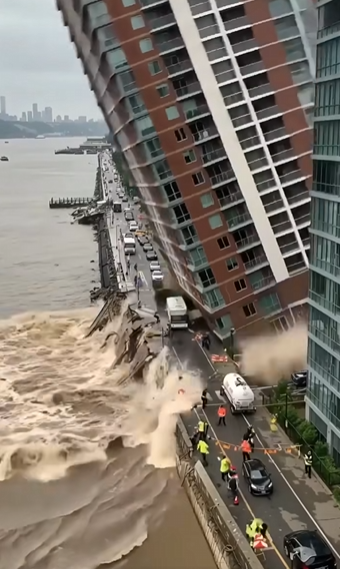
Along the coast of Hilo, water levels rose quickly, submerging roads and sweeping across beaches. Footage shared online showed waves rushing over seawalls, flooding streets, and battering docks. Emergency crews moved in quickly to secure infrastructure and assist residents in moving to shelters.
Evacuations and Emergency Response
The government activated its highest level of emergency protocol shortly after the quake. Coastal evacuation routes became packed with cars, bicycles, and even people on foot. Air raid–style sirens wailed, and police directed traffic toward designated safe zones.
“We are treating this as a life-threatening event,” said the state’s governor during a press briefing. “We urge the public to remain calm, follow official instructions, and prioritize safety above everything else.”
Schools, government buildings, and some hotels were transformed into temporary evacuation centers. Volunteers and emergency workers handed out water, blankets, and medical supplies. For many residents, it was a chilling reminder of the devastating power of nature.
Flights Grounded, Ports Closed
The impact rippled far beyond the shoreline. The Federal Aviation Administration ordered all nonessential flights in and out of the islands to be delayed or canceled, citing both safety concerns and the need to keep airspace clear for emergency operations.
At the same time, major ports were temporarily shut down to prevent damage to vessels and infrastructure. Cruise ships were moved to deeper waters to ride out the waves, and smaller boats were either secured inland or lost to the rising tide.
Tourists staying in beachfront hotels were among the first to be evacuated. Many found themselves spending the morning in crowded gymnasiums or stadiums that had been designated as safe shelters.
Scientists Closely Monitoring the Situation
Tsunami events can last for hours, sometimes even days, as waves bounce back and forth across the ocean. Scientists at the Pacific Tsunami Warning Center are tracking the evolving situation minute by minute.
“This is a dynamic event,” explained a geophysicist during a live broadcast. “We expect wave activity to persist for several hours. Even if the first waves seem manageable, larger surges can follow without warning. That’s why it’s absolutely crucial that people don’t go back to the beach just to ‘take a look.’”
Advanced computer models are predicting that the largest waves may arrive within the next two to three hours, with potential heights reaching up to 10 feet in some locations.
Memories of Past Disasters
For many in Hawaii, this morning’s events bring back memories of earlier tsunamis, including those triggered by earthquakes in Japan, Alaska, and Chile. Some still remember the devastation caused by the 1960 Valdivia earthquake tsunami, which reached Hawaiian shores with deadly force.
“It’s frightening because we’ve seen what can happen,” said an elderly resident of Kauai. “You never forget the sound of the sirens and the sight of that water coming in. All you can do is pray and move fast.”
Power Outages and Infrastructure Strain
As the waves continued to hit, sections of the island’s power grid experienced temporary blackouts. Several substations along the coast were preemptively shut down to avoid short circuits or electrical fires. Cell service became patchy in some areas as towers were affected by the flooding.
Emergency teams are also concerned about water contamination. With seawater flooding inland, there is a risk of damage to water supply systems. Public health officials have already issued advisories urging residents to use bottled water or boil tap water until further notice.
Global Reactions and International Support
News of the earthquake and tsunami warning spread rapidly around the world. Governments in the Pacific region—including Japan, the Philippines, and New Zealand—also issued alerts as a precautionary measure.
International aid organizations have offered support should the disaster escalate. Rescue teams from partner countries have been placed on standby. “Hawaii is part of our global community,” said a spokesperson for the International Federation of Red Cross and Red Crescent Societies. “We are ready to help in any way needed.”
The Emotional Toll
Beyond the immediate danger, the emotional weight of such a disaster is immense. Parents comforted their children in shelters, trying to explain why they had to leave their homes so suddenly. Tourists wept as they watched the ocean swallow their belongings left behind at hotels.
For many, there is uncertainty about what they’ll return to once the danger passes. Homes near the shore may be damaged or destroyed, businesses flooded, and roads impassable.
“It’s terrifying to not know,” said a young mother holding her toddler. “We’ve worked so hard to build our life here. All we can do is wait and hope.”
Authorities Urge Patience and Preparedness
Officials continue to stress that the situation is far from over. Aftershocks from the original quake could generate additional waves, and the full scope of damage won’t be clear until the waters recede.
“We are prepared for a long day,” said an emergency coordinator. “We ask everyone to remain in safe zones, stay informed through official channels, and avoid spreading rumors. Misinformation during a crisis can cost lives.”
The government has promised to provide regular updates every hour and to coordinate with national and international agencies for post-disaster support and recovery.
A Community United
Despite the fear, the morning has also revealed extraordinary acts of kindness. Strangers helped elderly residents to safety, local businesses opened their doors as impromptu shelters, and emergency workers risked their lives to secure vulnerable areas.
This unity is something Hawaiians know well—born from living on islands where the ocean gives life but can also bring disaster.
As the waves continue to roll in and the state braces for what’s next, one thing remains clear: the people of Hawaii have faced great challenges before. With resilience, preparation, and global support, they will face this one, too.
Summary: A massive 8.2-magnitude earthquake in the Pacific has triggered a tsunami that has begun striking Hawaii’s shores. Initial waves have caused flooding and evacuations, but the greatest danger may still lie ahead. Authorities urge residents and visitors to remain in designated safe zones until the situation is fully under control. The world watches closely as Hawaii confronts the power of nature once again