Phantom of the Opera Star Ben Lewis Dies at 46: A Life Remembered Through Music and Courage
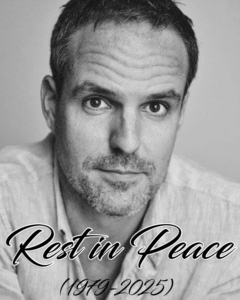
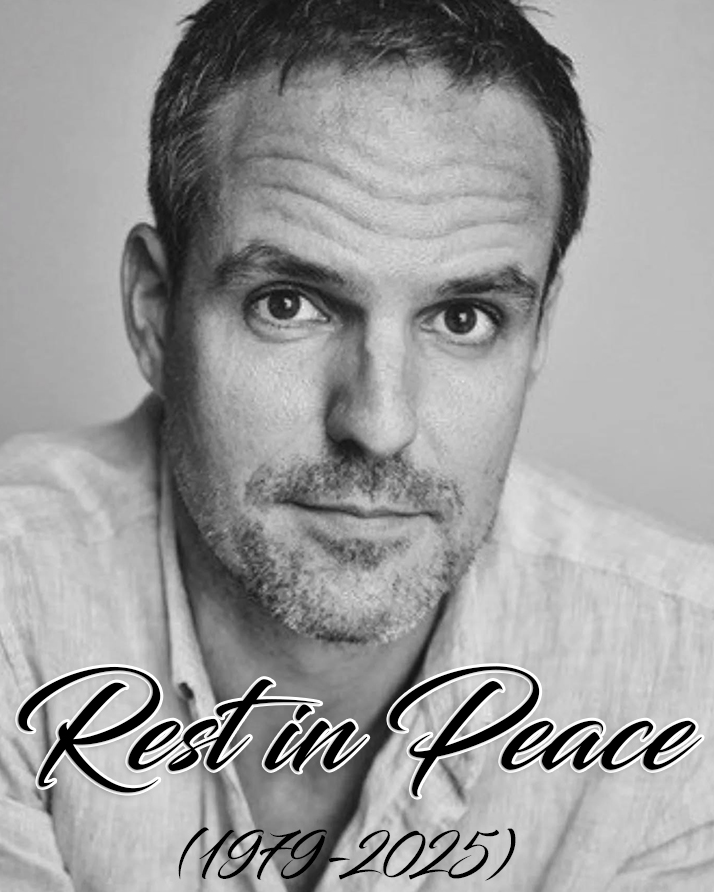
The world of musical theatre is reeling from the loss of one of its brightest voices. Ben Lewis, the acclaimed Australian stage actor best known for his unforgettable portrayal of the Phantom in Andrew Lloyd Webber’s The Phantom of the Opera and its sequel Love Never Dies, has died at the age of 46. His death on October 6, 2025, came after a courageous battle with bowel cancer, leaving behind a legacy defined by passion, artistry, and profound humanity.
Born in London in 1979 to a family steeped in music, Ben seemed destined for the stage. His parents, Michael Lewis and Patricia Price, were both accomplished opera singers, and music filled his childhood home. When he was still a child, the family relocated to Australia, where Ben would grow up and discover his own voice—not just as a singer, but as a storyteller.
He attended the prestigious Western Australian Academy of Performing Arts (WAAPA), an institution that has produced stars like Hugh Jackman and Frances O’Connor. There, Ben honed his craft, balancing classical training with a flair for theatrical expression. It was also at WAAPA that he met his future wife, actress Melle Stewart, who would later become both his greatest partner on stage and in life.
Ben Lewis’s journey through the world of musical theatre was nothing short of remarkable. Early in his career, he took on roles in Australian productions of Spamalot, Priscilla: Queen of the Desert, A Little Night Music, and Urinetown. But it was his role in Love Never Dies, Andrew Lloyd Webber’s highly anticipated sequel to The Phantom of the Opera, that catapulted him to international fame.
When Love Never Dies premiered in Melbourne in 2011, Lewis’s portrayal of the tortured Phantom was hailed as mesmerizing. Critics praised his rich, commanding baritone voice and the emotional vulnerability he brought to the role. His performance earned him the Judith Johnson Award for Best Actor in a Musical at the Sydney Theatre Awards and a nomination for a Helpmann Award. The Australian production was later filmed and released worldwide, immortalizing his performance for millions to see.
Lewis later crossed over to the West End, taking up the iconic mask again in London’s The Phantom of the Opera. From 2017 to 2018, he performed at Her Majesty’s Theatre, captivating audiences night after night with his magnetic stage presence. He became known for his distinctive interpretation of the Phantom—a man torn between genius and loneliness, love and obsession. Colleagues often remarked on his dedication to every performance, his humility backstage, and his deep love for the craft.
Beyond the Phantom, Lewis brought his artistry to productions like Company, Forbidden Broadway, Annie Get Your Gun, and The Bodyguard. Each role demonstrated his range, from dramatic intensity to sharp comedic timing. He was a consummate performer, never content to simply repeat success but always striving to refine his art.
In 2024, tragedy struck when Ben was diagnosed with stage-four bowel cancer. What began as minor symptoms quickly led to a devastating diagnosis: the cancer had spread to his liver and lymph nodes. Despite aggressive treatment and surgeries, doctors eventually told him that the disease was incurable. Yet through it all, Ben faced his illness with extraordinary strength and dignity.
His resilience was even more remarkable given that his wife, Melle Stewart, had suffered a severe stroke in 2021 after a rare vaccine-related complication. For years, Ben had been her caregiver, helping her through rehabilitation and adapting their lives to new challenges. Those who knew them described their bond as unwavering—a true partnership of love and devotion. Even as his own health deteriorated, Ben continued to support Melle, drawing on a sense of duty and compassion that defined him both as a husband and a man.
In the months leading up to his passing, Ben shared updates with fans, thanking them for their support and expressing gratitude for the life he had lived. “I’m one of the lucky ones,” he once wrote, “because I’ve known love, friendship, and the joy of doing what I was born to do.” Friends organized a fundraiser to help cover medical and care costs, and messages of encouragement poured in from around the world.
When news of his death broke, tributes flooded social media from friends, fans, and theatre icons. Andrew Lloyd Webber himself released a heartfelt statement, calling Lewis’s death “a devastating loss” and noting that his own son, Nicholas, had died of the same form of cancer at a similar age. “Ben was an artist of rare sensitivity,” Webber said. “His voice, his presence, and his humanity touched all who had the privilege to work with him.”
Todd Woodbridge, a close friend of Lewis and a familiar face in Australian sports broadcasting, also shared his grief publicly. “Ben was one of the great humans,” he wrote. “Funny, warm, generous, and endlessly kind. We shared years of friendship, laughter, and memories that I’ll carry forever. The world has lost a remarkable man.”
The West End and Australian theatre communities have paid tribute in moving ways. At several theatres, audiences observed moments of silence before performances. Some productions dimmed their lights, while others played the haunting overture of The Phantom of the Opera in his honor. In Melbourne and London, fans placed flowers and masks outside the theatres where he had once performed, a quiet but powerful gesture of remembrance.
Beyond his talent, what stood out most about Ben Lewis was his spirit. Colleagues recall his sense of humor, his patience with younger performers, and his refusal to let ego interfere with art. “He never made it about himself,” one co-star said. “He made it about the story, the music, and the people around him.”
Though his career was tragically cut short, Ben’s legacy endures in the performances he gave and the lives he touched. The filmed version of Love Never Dies remains a lasting testament to his talent, ensuring that future generations of musical theatre lovers will experience the magic he created.
Ben Lewis is survived by his wife, Melle Stewart, his parents, and his brother, Alexander Lewis, who is also an accomplished opera singer. The family has requested privacy as they grieve, asking fans to honor Ben’s memory by supporting cancer research and continuing to find beauty in the arts he loved so deeply.
His passing is not just the loss of a performer—it is the loss of a storyteller whose voice resonated with truth and emotion. He embodied everything that makes theatre such a powerful art form: vulnerability, passion, and a shared connection with the audience.
In one of his final interviews, Ben reflected on his time as the Phantom, saying, “The mask is a metaphor for all of us. We all have fears and flaws, but it’s love that teaches us to face them. That’s the gift of art—it helps us understand what it means to be human.”
Now, that voice has fallen silent, but its echo remains. On stages around the world, in the hearts of those who knew him, and in the memories of audiences who were moved by his performances, Ben Lewis’s spirit lives on. He leaves behind not just a career of brilliance but a reminder that true greatness lies not in fame or applause, but in the grace with which one faces life—and death.