When the Earth Roars: The Devastation and Lessons of a 9.1 Magnitude Earthquake
A 9.1 magnitude earthquake is not just a geological event—it’s a rupture in the rhythm of life. It’s the kind of seismic force that reshapes coastlines, topples cities, and leaves entire nations grappling with grief, recovery, and resilience. While no such quake has been recorded in 2025 according to global seismic data, imagining the impact of a 9.1 magnitude earthquake allows us to reflect on past disasters, understand the science behind such events, and prepare for the possibility of future ones.
The Power of a 9.1 Magnitude Quake
To grasp the enormity of a 9.1 magnitude earthquake, consider this: the Richter scale is logarithmic, meaning each whole number increase represents a tenfold increase in amplitude and roughly 32 times more energy release. A 9.1 quake releases more than 1,000 times the energy of a 7.0 quake. It’s not just powerful—it’s catastrophic.
Only a handful of earthquakes in recorded history have reached or exceeded this magnitude. The 2004 Indian Ocean earthquake (9.1–9.3), the 2011 Tōhoku earthquake in Japan (9.1), and the 1960 Valdivia earthquake in Chile (9.5) are among the most devastating. These events triggered massive tsunamis, caused tens of thousands of deaths, and led to long-term economic and environmental consequences.
The Immediate Impact
When a 9.1 magnitude earthquake strikes, the destruction is swift and widespread:
- Infrastructure collapse: Buildings, bridges, and roads are often reduced to rubble. Even structures built to withstand strong quakes may fail under such extreme stress.
- Power and communication outages: Electrical grids, cell towers, and internet infrastructure are typically knocked offline, complicating rescue efforts.
- Mass casualties: The death toll can be staggering, especially in densely populated or poorly prepared regions.
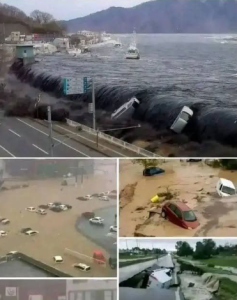
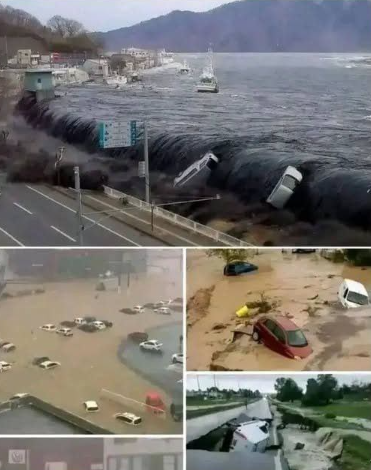
- Tsunamis: Undersea quakes of this magnitude often displace massive volumes of water, triggering tsunamis that can travel thousands of miles and devastate coastal communities.
In the 2011 Japan earthquake, the tsunami waves reached heights of over 40 meters in some areas, sweeping away entire towns and causing the Fukushima nuclear disaster. The 2004 Indian Ocean quake led to over 230,000 deaths across 14 countries.
The Human Toll
Beyond the physical destruction, the emotional and psychological impact is profound. Survivors face trauma, displacement, and the loss of loved ones. Communities are torn apart, and the path to recovery is long and arduous.
In the aftermath, stories of heroism and heartbreak emerge. First responders risk their lives to save others. Families search through debris for signs of hope. And the world watches, often responding with aid, solidarity, and support.
But for those directly affected, the scars remain. PTSD, grief, and economic hardship linger long after the ground stops shaking.
The Science Behind the Shaking
Earthquakes occur when tectonic plates shift, releasing built-up stress along fault lines. A 9.1 magnitude quake typically results from a megathrust fault—where one plate is forced beneath another in a subduction zone.
These zones are found in regions like the Pacific Ring of Fire, where plates like the Pacific and Philippine Sea interact with continental plates. The energy released during such an event is immense, often equivalent to hundreds of nuclear bombs.
Seismologists use tools like GPS, seismographs, and satellite imagery to monitor tectonic activity. While predicting the exact timing of earthquakes remains elusive, advances in early warning systems have helped reduce casualties in some regions.
Preparedness and Prevention
While we can’t prevent earthquakes, we can prepare for them. Countries like Japan and Chile have invested heavily in earthquake-resistant infrastructure, public education, and emergency response systems. These efforts have saved countless lives.
Key preparedness strategies include:
- Building codes: Enforcing strict construction standards to ensure buildings can withstand seismic forces.
- Early warning systems: Using sensors to detect initial tremors and send alerts seconds before the main quake hits.
- Public education: Teaching citizens how to respond—drop, cover, and hold on—and how to prepare emergency kits.
- Urban planning: Avoiding construction in high-risk zones and ensuring evacuation routes are accessible.
For individuals, preparedness means knowing your local risks, having a family emergency plan, and staying informed through reliable sources.
Global Implications
A 9.1 magnitude earthquake doesn’t just affect the immediate region—it can have global consequences. Tsunamis can cross oceans. Economic disruptions can ripple through supply chains. And humanitarian crises can prompt international responses.
The 2004 Indian Ocean quake led to one of the largest humanitarian relief efforts in history. Governments, NGOs, and individuals mobilized to provide aid, rebuild infrastructure, and support survivors.
Such events also prompt reflection on climate resilience, urban planning, and international cooperation. They remind us that natural disasters don’t respect borders—and that solidarity is essential.
Lessons from the Past
Each major earthquake teaches us something new. The 2011 Japan quake highlighted the vulnerability of nuclear infrastructure. The 2004 tsunami exposed gaps in early warning systems. And the 1960 Chile quake led to advances in seismic research.
These lessons have shaped global policy, scientific understanding, and public awareness. They’ve led to better building practices, improved emergency protocols, and more robust international collaboration.
But they also remind us of the importance of memory. As time passes, the urgency to prepare can fade. Complacency is dangerous. Remembering past tragedies is essential to preventing future ones.
Imagining the Next One
If a 9.1 magnitude earthquake were to strike today—say, near a major urban center like Jakarta, Istanbul, or Los Angeles—the consequences would be staggering. Millions could be affected. Infrastructure could collapse. And the global response would be tested.
But we also have tools, knowledge, and networks that didn’t exist decades ago. Satellite communication, drone technology, and AI-driven logistics can aid rescue efforts. International aid can be mobilized faster. And communities, if prepared, can respond more effectively.
The challenge is ensuring that this preparedness is universal—not just in wealthy nations, but everywhere.
Conclusion: When the Earth Moves, Humanity Must Rise
A 9.1 magnitude earthquake is a force of nature that humbles us. It reminds us of our vulnerability, our interconnectedness, and our capacity for resilience. While we cannot stop the earth from shaking, we can choose how we respond—through preparation, compassion, and unity.
In the face of such power, humanity must rise—not just to rebuild, but to remember, to learn, and to protect each other. Because when the earth roars, it’s not just a geological event—it’s a call to action.