If You Notice This Insect, Take These Steps: The Lone Star Tick and What You Need to Know
In the quiet corners of our backyards, parks, and hiking trails, a tiny insect is making a big impact—and not in a good way. The lone star tick, once confined to the southeastern United States, has been rapidly expanding its territory, bringing with it a host of health concerns. If you notice this insect on your skin, clothing, or pets, it’s not just a nuisance—it’s a potential threat. Knowing what to do next can make all the difference.
What Is the Lone Star Tick?
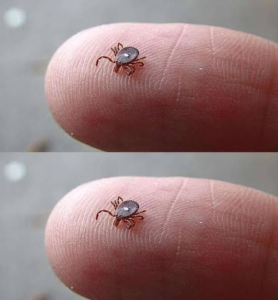
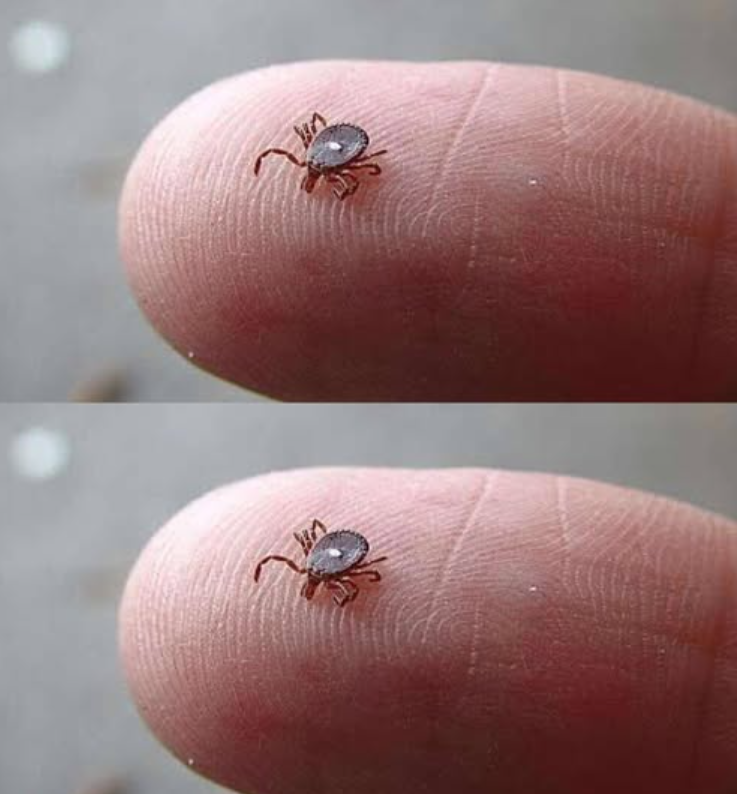
The lone star tick (Amblyomma americanum) is named for the distinctive white dot found on the back of adult females—a “lone star” that sets it apart from other tick species. Unlike ticks that passively wait for a host to brush by, lone star ticks are aggressive hunters. They actively seek out mammals, including humans, and latch on quickly.
Found primarily in grassy, wooded areas, these ticks are fast-moving and resilient. They’re most active from early spring through late fall, but warmer climates and shifting weather patterns have extended their range and season.
Why This Tick Is Especially Dangerous
While all ticks carry the risk of disease, the lone star tick is particularly notorious for several reasons:
- Ehrlichiosis: This bacterial infection can cause fever, muscle aches, fatigue, and gastrointestinal symptoms. If untreated, it can lead to severe complications.
- Tularemia: A rare but serious illness that can result in skin ulcers, swollen lymph nodes, and respiratory issues.
- Alpha-gal syndrome: Perhaps the most bizarre consequence of a lone star tick bite is the potential to develop a red meat allergy. The tick’s saliva contains a sugar molecule called alpha-gal, which can trigger an immune response in some people. After exposure, eating beef, pork, or lamb can cause hives, stomach pain, or even anaphylaxis.
These risks make the lone star tick more than just a backyard pest—it’s a public health concern.
Step 1: Identification
If you notice a tick on your body, the first step is to identify it. The lone star tick is reddish-brown, and adult females have a single white dot on their backs. Males may have white streaks or spots but lack the central dot.
Ticks can be tiny—especially in their nymph stage—so use a magnifying glass or take a clear photo to help with identification. If you’re unsure, save the tick in a sealed container for professional analysis.
Step 2: Safe Removal
Removing a tick properly is crucial. Do not use heat, petroleum jelly, or twisting motions. Instead:
- Use fine-tipped tweezers.
- Grasp the tick as close to the skin’s surface as possible.
- Pull upward with steady, even pressure.
- Clean the bite area with soap and water, then disinfect with alcohol or iodine.
Dispose of the tick by placing it in alcohol, sealing it in a bag, or flushing it down the toilet. If you plan to have it tested, store it in a sealed container in the freezer.
Step 3: Monitor for Symptoms
After a tick bite, monitor your health for the next few weeks. Symptoms to watch for include:
- Fever or chills
- Fatigue
- Rash (especially a bullseye pattern)
- Muscle aches
- Nausea or vomiting
- Swollen lymph nodes
If you experience any of these, contact a healthcare provider immediately and mention the tick bite. Early treatment with antibiotics can prevent serious complications.
Step 4: Protect Yourself and Your Pets
Prevention is key. To reduce your risk of tick bites:
- Wear long sleeves and pants when hiking or gardening.
- Use insect repellent containing DEET, picaridin, or permethrin.
- Tuck pants into socks and shirts into pants.
- Perform tick checks after outdoor activities—on yourself, children, and pets.
- Keep your yard tidy: mow grass regularly, remove leaf litter, and create barriers between wooded areas and play zones.
Pets are also vulnerable. Use veterinarian-approved tick preventatives and check their fur regularly, especially around the ears, neck, and paws.
Step 5: Spread Awareness
Many people still underestimate the danger of ticks, especially the lone star tick. Sharing information with neighbors, family, and community groups can help others stay safe. Schools, parks, and outdoor organizations should educate staff and visitors about tick prevention and response.
If you live in an area where lone star ticks are common, consider contacting local health departments to advocate for public awareness campaigns and tick surveillance programs.
The Bigger Picture: Climate and Ecology
The rise of the lone star tick is part of a larger ecological shift. Climate change, urban sprawl, and changes in wildlife populations have expanded tick habitats. Warmer winters mean ticks survive longer, and increased deer populations provide more hosts.
Understanding these patterns can help scientists predict outbreaks and develop strategies for control. It also underscores the importance of environmental stewardship and public health collaboration.
Hope Through Research
Researchers are working to better understand tick-borne illnesses and develop new treatments. Studies on alpha-gal syndrome have led to improved diagnostic tools and dietary guidelines. Vaccine development for tick-borne diseases is underway, offering hope for future prevention.
In the meantime, personal vigilance remains our best defense. By staying informed and prepared, we can reduce the risk and protect ourselves and our communities.
Conclusion: A Tiny Threat with Big Consequences
The lone star tick may be small, but its impact is anything but. From serious illnesses to life-altering allergies, this insect demands our attention and respect. If you notice one—on your skin, your pet, or in your yard—don’t ignore it. Take action.
Identify it. Remove it safely. Monitor your health. Protect your space. And share what you know.
Because when it comes to ticks, awareness isn’t just power—it’s protection.