What Do You Think Is the Right Length for School Uniform Skirts?
School uniforms have been part of education systems for generations, symbolizing equality, discipline, and school identity. While uniforms vary widely from one country to another, one aspect that frequently sparks discussion is the length of school uniform skirts. Students, parents, teachers, and policymakers often have different opinions about what constitutes the “right” length. Some argue that shorter skirts are more comfortable and fashionable, while others believe longer skirts promote modesty and practicality. Ultimately, the ideal skirt length depends on balancing comfort, safety, school values, and personal expression.
One of the main reasons schools adopt uniforms is to reduce visible differences in clothing choices among students. Uniforms can help minimize distractions, reduce peer pressure over fashion trends, and create a stronger sense of community. However, debates often arise when schools establish detailed dress codes that specify exactly how long skirts should be.
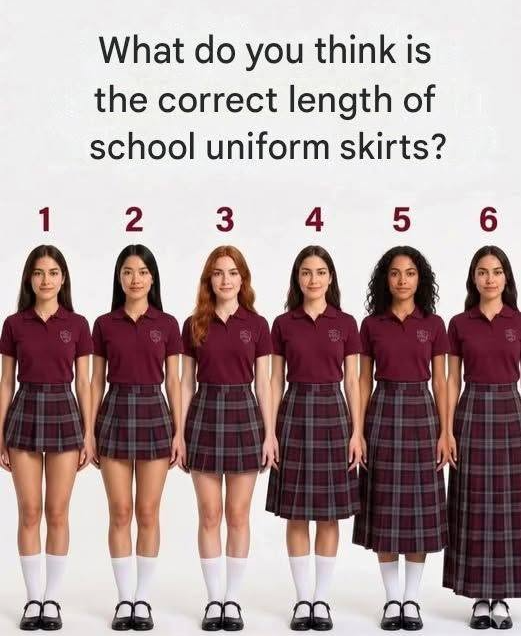
Supporters of knee-length skirts argue that they strike the perfect balance between comfort and professionalism. A skirt that reaches the knee allows students to move comfortably throughout the school day while maintaining a neat appearance. It is generally considered appropriate for classrooms, assemblies, and extracurricular activities.
Others believe slightly shorter skirts provide greater freedom of movement, especially during warmer weather. Teenagers often like to express their personalities through small changes in their uniforms, and skirt length can become part of that self-expression. As fashion trends evolve, some students naturally prefer modern styles that may differ from traditional uniform standards.
On the other hand, many parents appreciate longer skirts because they offer additional comfort and coverage. Longer skirts may be especially practical during colder months and can help students feel more confident in a variety of situations, including walking, climbing stairs, participating in school events, or sitting in classrooms.
Teachers often view the issue from a different perspective. Their primary concern is maintaining an environment focused on learning rather than clothing. Dress code policies are generally intended to provide consistent expectations for everyone rather than targeting specific fashion choices. Clear guidelines can reduce disagreements and help administrators enforce policies fairly.
Safety is another important consideration. Students spend much of their day walking between classes, participating in science labs, attending assemblies, or traveling on school buses. A skirt that is extremely short or excessively long could create practical challenges in certain situations. Many schools therefore choose a moderate length that allows comfortable movement while avoiding unnecessary safety concerns.
Around the world, school uniform traditions differ significantly. In some countries, skirts are commonly worn just above the knee, while others prefer knee-length or below-the-knee styles. Cultural expectations, climate, and historical traditions all influence what is considered appropriate. There is no single global standard that applies everywhere.
Climate also plays a role in determining practical uniform designs. Schools located in warmer regions may select lighter fabrics and slightly shorter styles to improve comfort during hot weather. In colder climates, thicker materials and longer skirts may provide additional warmth throughout the school year.
Modern discussions increasingly emphasize student choice and inclusivity. Many schools now offer multiple uniform options, allowing students to choose between skirts, shorts, trousers, or other approved garments. Providing options acknowledges that students have different comfort levels, cultural backgrounds, and personal preferences while still maintaining a consistent school appearance.
Respect is another key element in these conversations. Students should feel comfortable expressing their opinions about uniform policies, while schools should listen carefully to feedback from families and educators. Open communication often leads to policies that better reflect the needs of the entire school community.
Some critics argue that excessive focus on skirt length distracts from more important educational priorities. They believe schools should devote greater attention to academic achievement, student well-being, mental health, and creating supportive learning environments. While appearance matters to some extent, many educators agree that character, kindness, and academic effort are ultimately more important than precise clothing measurements.
Technology and social media have also influenced perceptions of school uniforms. Images shared online can quickly spread fashion trends, encouraging students to personalize uniforms in creative ways. This can create additional challenges for schools attempting to maintain consistent dress code standards while respecting individuality.
Parents often encourage practical decision-making when selecting uniforms. Durability, affordability, ease of cleaning, and comfort throughout a full school day may be more important than following the latest fashion trends. Uniforms are worn frequently, making quality and functionality valuable considerations.
Students themselves often have thoughtful opinions about uniform policies. Many appreciate having clothing that simplifies their morning routine and reduces pressure to wear expensive fashion brands. Others wish for greater flexibility in choosing styles that reflect their personalities. Listening to student perspectives can help schools develop policies that are both practical and respectful.
Ultimately, there is probably no universally “perfect” skirt length for every school. Communities have different cultural expectations, educational philosophies, climates, and traditions. What works well in one school may not be ideal in another. The most effective policies are usually those developed through collaboration among administrators, teachers, students, and parents.
Rather than focusing solely on exact measurements, schools can encourage broader values such as respect, responsibility, inclusivity, and professionalism. Uniforms should support learning by creating an environment where students feel comfortable, confident, and ready to succeed.
In the end, the right length for a school uniform skirt is one that balances comfort, practicality, safety, modesty, and personal dignity while reflecting the values of the school community. Whether slightly above the knee, at the knee, or slightly below, the goal should always be to help students focus on their education, build positive relationships, and participate fully in school life. A well-designed uniform policy is not simply about clothing—it is about creating an atmosphere where every student feels respected, included, and prepared to learn.