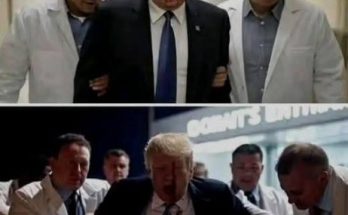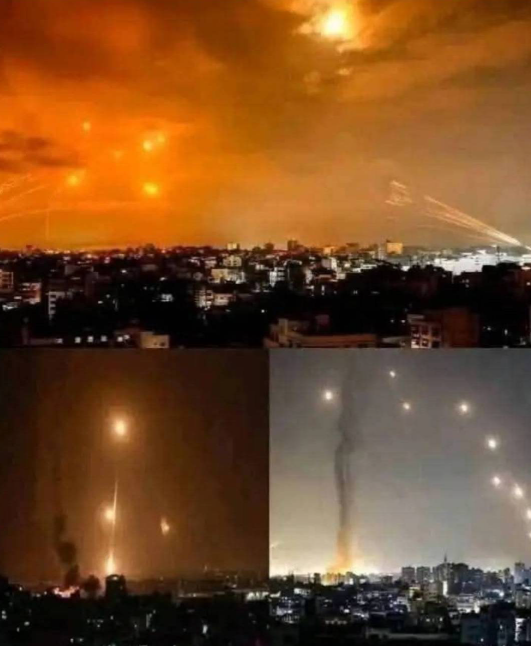
That kind of headline—“Maximum World Alert: The war begins”—is designed to grab attention, not to inform. There is no confirmed global event right now that signals the start of a world war, and if such a thing were actually happening, it would be clearly and consistently reported by major international outlets and governments within minutes. When you see vague, dramatic phrasing like “see more” or “maximum alert,” it’s usually a sign of exaggeration or outright misinformation.
That said, the reason these headlines feel believable is because the world does have real tensions. Conflicts and rivalries between major powers—like the United States, Russia, and China—are frequently in the news. Ongoing situations such as the war in Ukraine, tensions in the South China Sea, and instability in parts of the Middle East can create the impression that a larger global conflict could erupt at any moment. But tension is not the same as total war.
A true “world war” has specific characteristics. Historically, conflicts like World War I and World War II involved multiple major powers fighting across several continents, with formal declarations, mass mobilization of troops, and entire economies shifting to wartime production. These were not events that appeared suddenly through a single shocking headline—they developed through escalating crises, alliances, and clear political actions over time.
Today, the global system is very different. One major factor preventing large-scale war is nuclear deterrence. Countries with nuclear weapons understand that direct conflict could lead to catastrophic consequences for all sides. This creates a powerful incentive to avoid full-scale war, even when tensions are high. Instead, conflicts often take other forms: proxy wars, economic sanctions, cyberattacks, and political pressure.
Another reason global war is less likely to start suddenly is the level of international monitoring and communication. Governments, intelligence agencies, and organizations like the United Nations constantly track military movements and diplomatic developments. Large-scale mobilizations—such as moving massive numbers of troops or equipment—are difficult to hide. If something truly unprecedented were happening, there would be multiple warning signs reported by credible sources.
So why do headlines like this spread so quickly? It comes down to human psychology. People are naturally drawn to dramatic, high-stakes narratives—especially those involving danger or uncertainty. A phrase like “the war begins” taps into deep fears and curiosity. Social media algorithms then amplify that reaction, pushing the content to more people, regardless of whether it’s accurate.
There’s also a pattern in how these viral claims are written. They tend to be vague, with no specific location, no named sources, and no concrete details. Compare that to real reporting, which includes verified facts, quotes from officials, and updates as new information becomes available. If a headline doesn’t answer basic questions like “where,” “who,” and “how,” it’s a red flag.
That doesn’t mean the world is free of risk. Geopolitical tensions are real, and conflicts can escalate under certain conditions. Miscalculations, accidents, or rapid changes in leadership decisions can increase the risk of confrontation. But those situations are closely watched, and they don’t unfold in total secrecy or without warning.
It’s also important to recognize how misinformation can affect people. Constant exposure to alarming but false claims can create unnecessary anxiety and a distorted view of reality. It can make the world seem more chaotic and dangerous than it actually is. Over time, this can erode trust in reliable information and make it harder to distinguish fact from fiction.
A better approach when encountering a headline like this is to pause and verify. Check whether major, reputable news organizations are reporting the same thing. Look for official statements or confirmations. If the claim exists only in vague posts or sensational headlines, it’s almost certainly not real.
In a way, these viral “world alert” messages tell us more about the modern information landscape than about actual global events. They show how quickly fear can spread, how easily attention can be captured, and how important critical thinking has become. The ability to question and verify information is just as essential today as access to the information itself.
So while the phrase “Maximum World Alert: The war begins” sounds dramatic, it doesn’t reflect a confirmed reality. The world remains complex and sometimes tense, but it is not currently entering a sudden, all-out global war. Staying informed through reliable sources—and resisting the pull of sensationalism—is the best way to keep a clear and accurate understanding of what’s really happening.