Throughout American history, the presidency has been a position of immense power and responsibility, which has also made it a frequent target of threats and attacks. From early attempts at assassination to modern-day security challenges, the protection of U.S. presidents has evolved alongside the threats they face. Understanding these incidents provides insight into both the resilience of the office and the ongoing risks associated with leadership in a highly visible democracy.
One of the earliest known threats occurred during George Washington’s presidency, although no direct assassination attempts were recorded. At the time, political opposition often manifested in letters, pamphlets, and public denouncements rather than violent attacks. However, the potential for harm to the president was always present, and Washington’s leadership set early precedents for presidential security.
The first assassination of a U.S. president occurred in 1865, when Abraham Lincoln was shot by John Wilkes Booth, a Confederate sympathizer, while attending a play at Ford’s Theatre in Washington, D.C. Lincoln’s death marked a pivotal moment in American history and highlighted the vulnerability of even the most protected public figures. Booth’s motives were rooted in political ideology, reflecting the intense divisions following the Civil War. Lincoln’s assassination led to the eventual creation of more structured presidential protection, though the Secret Service was not assigned to the president until decades later.
The early 20th century saw several high-profile assassination attempts that further emphasized the risks faced by presidents. In 1901, President William McKinley was shot by Leon Czolgosz, an anarchist, while attending the Pan-American Exposition in Buffalo, New York. McKinley initially survived the shooting but later died due to gangrene caused by the wounds. Czolgosz’s act was motivated by his radical beliefs and disillusionment with government, illustrating how ideological extremism could translate into deadly violence. Following McKinley’s death, the Secret Service officially took on the responsibility of protecting the president, marking a major development in U.S. security practices.
President Theodore Roosevelt also experienced an assassination attempt in 1912 while campaigning for a third term under the Progressive Party. John Schrank, a mentally unstable man, shot Roosevelt in the chest, but Roosevelt survived because the bullet was slowed by a steel eyeglass case and a folded copy of his speech in his pocket. Remarkably, Roosevelt continued to deliver his speech before seeking medical attention, demonstrating both his resilience and the seriousness of the threat. This incident highlighted the need for immediate medical readiness and the increasing prevalence of firearms as a tool for political violence.
The 20th century also witnessed the assassination of President John F. Kennedy in 1963, one of the most infamous attacks in U.S. history. Kennedy was shot in Dallas, Texas, by Lee Harvey Oswald, a former Marine with alleged communist sympathies. Kennedy’s death shocked the nation and the world, leading to sweeping changes in presidential security protocols. After Kennedy’s assassination, the Secret Service intensified its protective measures, including bulletproof vehicles, advance route planning, and stricter crowd control. The tragedy also had a lasting cultural impact, leaving a profound mark on American collective memory and political consciousness.
Other presidents faced serious threats but survived attempts on their lives. Franklin D. Roosevelt, while president during World War II, faced a failed assassination attempt by Giuseppe Zangara in 1933. Although Roosevelt escaped unharmed, Chicago Mayor Anton Cermak, who was nearby, was killed instead. Similarly, Gerald Ford experienced two assassination attempts in 1975 within just three weeks, both in California, by Lynette “Squeaky” Fromme and Sara Jane Moore. Fortunately, Ford was unharmed in both incidents, but the events prompted increased scrutiny of presidential security, including the screening of public appearances and the close monitoring of individuals near the president.
Ronald Reagan was also the target of a serious assassination attempt in 1981 by John Hinckley Jr., who shot the president outside a Washington, D.C., hotel. Reagan was critically wounded but survived, thanks to the rapid response of his Secret Service detail and medical personnel. This incident led to reforms in how the Secret Service assesses threats and manages public events, including better coordination with local law enforcement and emergency medical services.
In more recent decades, threats have become more diverse, including not only physical attacks but also cyber threats and elaborate plots. George W. Bush faced numerous threats during his presidency, especially surrounding high-profile events and visits abroad. Barack Obama’s presidency saw heightened concerns regarding domestic terrorism, including the 2009 foiled plot to bomb a military recruiting center in Little Rock, Arkansas. While these threats did not result in direct attacks on the president, they underscored the evolving nature of risks, where both physical and digital security are paramount.
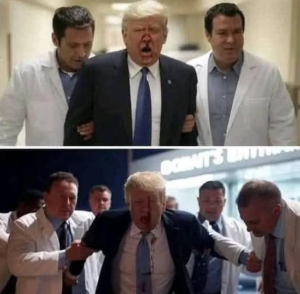
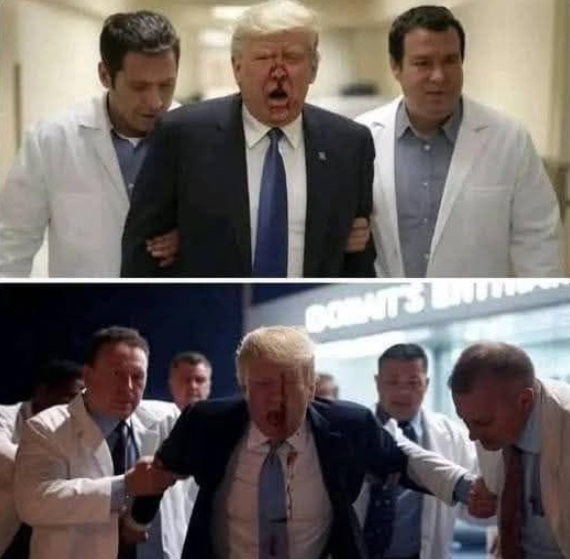
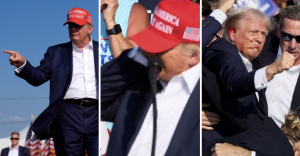
Donald Trump’s presidency also highlighted the modern landscape of presidential threats. Throughout his term, Trump faced numerous assassination plots, threats from foreign and domestic actors, and incidents at rallies where crowd behavior sometimes posed security challenges. While no direct attempts succeeded, these events emphasized the ongoing need for vigilance and adaptability in presidential protection.
The evolution of presidential security reflects a broader understanding of the multifaceted risks that leaders face. The Secret Service, originally tasked with investigating currency counterfeiting, now operates with sophisticated intelligence, surveillance, and protective protocols. Presidential motorcades, secure residences, rapid medical response teams, and coordinated law enforcement efforts are all part of a comprehensive approach to safeguarding the nation’s leader. Each historical incident, from Lincoln to Reagan, has informed modern practices, ensuring that lessons from past threats translate into proactive protection strategies.
Threats to U.S. presidents are not merely historical footnotes; they have profound implications for governance, public confidence, and national stability. Every attempt or plot, whether successful or foiled, underscores the symbolic importance of the presidency and the vulnerability of those in positions of power. Beyond physical harm, these threats impact political discourse, public engagement, and the way leaders interact with citizens. Security measures, while essential, must balance protection with accessibility, allowing the president to maintain a connection with the public while mitigating risks.
In conclusion, the history of threats and attacks against U.S. presidents demonstrates the inherent dangers of leadership in a high-profile, politically polarized environment. From Abraham Lincoln’s assassination to modern-day plots, these incidents have shaped not only security protocols but also the collective consciousness of the nation. The ongoing evolution of presidential protection reflects the need to anticipate both traditional and emerging threats, ensuring that the office remains safeguarded while preserving the democratic principles it represents. By studying these historical incidents, Americans can better appreciate the resilience required of their leaders and the critical importance of vigilance in protecting the highest office in the land.