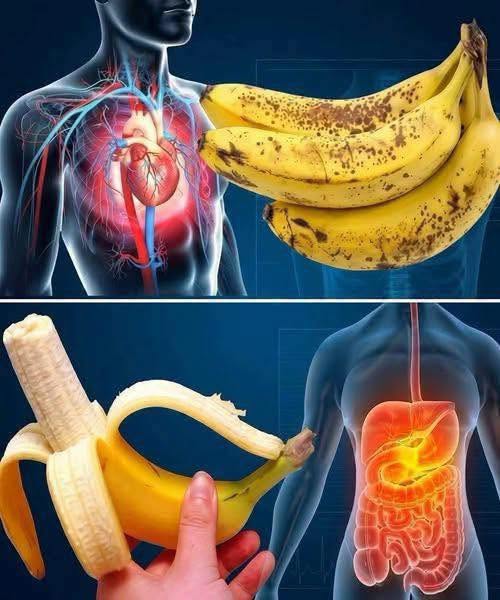
🍌 Did You Know That Eating Bananas Can Improve Your Health? Here’s What Happens When You Eat Them Regularly!
Bananas are among the most popular fruits in the world. They are affordable, delicious, easy to carry, and packed with important nutrients that support everyday health. But did you know that eating bananas regularly can provide several benefits for your body?
Many people enjoy bananas as a quick breakfast, an afternoon snack, or an ingredient in smoothies. However, this familiar yellow fruit offers more than just a sweet taste. Bananas contain potassium, vitamin B6, vitamin C, fiber, and natural carbohydrates that help support important bodily functions.
Although bananas are not a miracle food, including them in a balanced diet can be a simple way to improve your overall nutrition.
Let’s explore what happens when you make bananas part of your daily eating habits.
1. 🍌 They Help Support Healthy Blood Pressure
One of the best-known nutrients in bananas is potassium.
Potassium is an essential mineral that helps regulate fluid balance, supports normal muscle function, and plays an important role in maintaining healthy blood pressure.
Eating potassium-rich foods can help balance some of the effects of sodium in the diet. This is particularly important because consuming too much sodium can contribute to elevated blood pressure.
A medium banana provides approximately 420 milligrams of potassium.
However, eating bananas alone will not prevent or cure high blood pressure. A healthy eating pattern, regular physical activity, and appropriate medical care remain important.
2. ❤️ They Support Heart Health
Your heart works continuously, pumping blood throughout your body.
Potassium helps support the electrical signals responsible for normal muscle contractions, including those of the heart.
Bananas also contain fiber, which contributes to digestive health and can support healthy cholesterol levels as part of an overall balanced diet.
Combining bananas with vegetables, whole grains, beans, nuts, and other fruits can help create an eating pattern that supports cardiovascular health.
3. 💪 They Provide Energy
Have you ever noticed how many athletes eat bananas before or after exercise?
There is a good reason.
Bananas contain natural carbohydrates, including glucose, fructose, and sucrose. These carbohydrates provide energy that your body can use during everyday activities and physical exercise.
A banana can be a convenient snack before a walk, workout, or busy afternoon.
Unlike many heavily processed snacks, bananas also provide vitamins, minerals, and fiber.
For an additional source of protein, try pairing a banana with plain yogurt or peanut butter.
4. 🌿 They Support Healthy Digestion
Bananas contain dietary fiber, which helps support regular bowel movements.
They also contain resistant starch, particularly when they are less ripe. Resistant starch can act like fiber by passing through part of the digestive system without being completely digested.
This material can be fermented by beneficial bacteria in the large intestine.
As bananas ripen, some of their resistant starch changes into sugars, making the fruit sweeter and softer.
For people looking to increase their fiber intake, bananas can be a convenient addition to a balanced diet.
Remember to drink enough water and include other fiber-rich foods throughout the day.
5. 🧠 They Provide Nutrients That Support Brain Function
Bananas contain vitamin B6, which helps the body produce neurotransmitters involved in communication between nerve cells.
Vitamin B6 also supports normal brain development, immune function, and the production of hemoglobin.
A medium banana provides a meaningful amount of this important vitamin.
However, bananas do not automatically improve memory or prevent neurological diseases. Their value comes from contributing to an overall nutritious diet.
6. 😊 They May Help Support Your Mood
Bananas contain vitamin B6, which is involved in the production of several neurotransmitters, including serotonin and dopamine.
These chemical messengers play important roles in brain function and mood regulation.
Bananas also provide carbohydrates that can contribute to normal energy needs.
Although bananas are sometimes described as happiness-boosting foods, eating one does not guarantee an improvement in mood or treat depression.
Good nutrition is one part of emotional well-being, alongside sleep, exercise, relationships, and appropriate mental health support.
7. 🦴 They Support Normal Muscle Function
Muscles need several nutrients to work properly.
Potassium and magnesium help support normal muscle and nerve function. Bananas provide potassium and smaller amounts of magnesium.
This makes them a useful addition to a varied diet, particularly for people who exercise regularly.
However, muscle cramps can have many causes, including dehydration, exercise intensity, medications, and certain medical conditions.
Eating bananas is not a guaranteed treatment for muscle cramps.
8. 🍽️ They Can Help You Feel Satisfied
Bananas contain fiber and water, which contribute to their ability to make a satisfying snack.
A medium banana contains approximately 105 calories and around 3 grams of fiber.
Pairing one with protein or healthy fats can make a snack more filling.
For example, you could combine banana slices with Greek yogurt, oatmeal, or a small serving of nuts.
This combination can provide a satisfying balance of carbohydrates, protein, and fat.
9. 🛡️ They Contribute to Normal Immune Function
Bananas contain vitamin B6 and vitamin C, both of which contribute to normal immune function.
Vitamin C also acts as an antioxidant, helping protect cells from oxidative damage.
While bananas contribute useful nutrients, they cannot independently prevent infections or replace vaccinations, medical treatment, or other healthy habits.
Eating a variety of colorful fruits and vegetables is a better approach than relying on one particular food.
10. 🌙 Are Bananas Good Before Bed?
Some people enjoy eating a banana in the evening because it is convenient, naturally sweet, and easy to prepare.
Bananas provide carbohydrates and small amounts of magnesium and vitamin B6.
However, claims that bananas cure insomnia or guarantee better sleep are not supported by strong clinical evidence.
If you enjoy eating one before bedtime and it does not cause digestive discomfort, it can be a reasonable snack.
Maintaining a consistent bedtime, limiting caffeine late in the day, and creating a relaxing sleeping environment are more established ways to support healthy sleep.
How Many Bananas Should You Eat Every Day?
There is no universal number that everyone needs to follow.
For many healthy adults, one medium banana can comfortably fit into a balanced daily diet.
Some people may enjoy two, depending on their overall calorie and carbohydrate needs.
However, people with chronic kidney disease or those advised to restrict potassium should speak with their healthcare professional about how much potassium is appropriate.
People with diabetes can also enjoy bananas, but portion size and carbohydrate intake should be considered as part of their individual meal plan.
The Best Ways to Enjoy Bananas
Here are some simple ideas:
- Breakfast: Add sliced bananas to oatmeal.
- Smoothies: Blend bananas with yogurt and berries.
- Healthy snacks: Combine banana slices with peanut butter.
- Dessert: Freeze banana slices for a naturally sweet treat.
- Baking: Use mashed bananas in homemade muffins.
- After exercise: Enjoy a banana with yogurt or another protein-rich food.
Choose bananas according to your preference. Green bananas are firmer and contain more resistant starch, while ripe bananas are softer and sweeter.
Final Thoughts: A Small Fruit With Valuable Nutrients ❤️
Bananas may look ordinary, but they provide several nutrients that help your body function properly.
From potassium for normal muscle and heart function to fiber for digestive health, this familiar fruit can be a valuable part of a healthy eating routine.
The important thing is not to expect one food to solve every health problem.
A balanced diet, regular movement, sufficient sleep, hydration, and appropriate healthcare all work together to support long-term wellness.
Sometimes, improving your daily nutrition begins with something as simple as adding a piece of fruit to your breakfast.
🍌 QUESTION FOR YOU: Do you eat a banana every day, or do you prefer eating it occasionally? Share your favorite way to enjoy bananas in the comments! ❤️