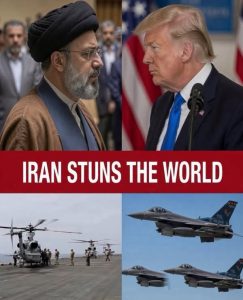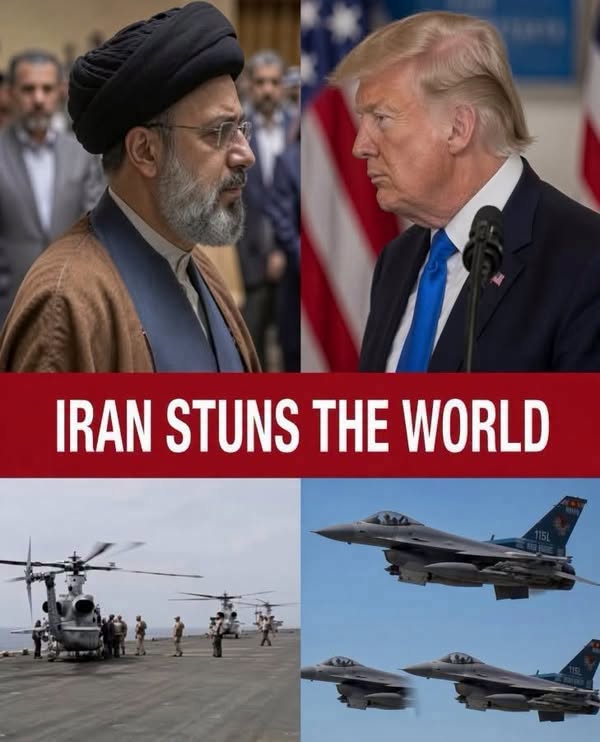
The announcement has immediately raised questions about what happens next. Is Iran preparing for a diplomatic breakthrough, or is Tehran drawing a harder line in its confrontation with Washington?
A Major Diplomatic Move From Tehran
According to a report by Reuters, a senior Iranian official confirmed that Iran had delivered a proposal concerning its nuclear program to the United States through Qatari intermediaries.
The proposal is significant because Qatar has played an important role in diplomatic communication between countries that have struggled to maintain direct negotiations.
However, Iran has made it clear that receiving the proposal does not mean it is ready to accept negotiations under Washington’s preferred conditions.
Tehran says the United States must first address seven demands before a new diplomatic process can move forward.
Although Iranian officials have not publicly provided every detail of the proposal, several of the conditions have been identified.
They include lifting American sanctions, releasing Iranian assets frozen abroad, and providing compensation for wartime damage.
These demands represent major obstacles because Washington has its own expectations, particularly concerning Iran’s nuclear activities and the future of regional security.
Why the Strait of Hormuz Matters
One of the biggest concerns surrounding the latest developments is the Strait of Hormuz.
This narrow waterway connects the Persian Gulf with the Gulf of Oman and is among the world’s most important energy transportation routes.
A substantial portion of internationally traded oil normally passes through this strategic passage.
Any disruption can affect shipping companies, energy markets, fuel prices, and economies around the world.
Iran has linked the future of the waterway to the broader diplomatic negotiations, saying it will not reopen the strait under normal conditions until its demands are addressed.
For countries that depend on energy shipments passing through the region, this situation creates considerable uncertainty.
Even countries that are not directly involved in the conflict could experience economic consequences.
Higher transportation costs, insurance premiums, and energy prices can eventually affect ordinary consumers.
The United States Faces Difficult Decisions
Washington now faces an important diplomatic challenge.
American officials have indicated that nuclear issues must be included in any initial negotiations.
The United States wants assurances concerning Iran’s nuclear capabilities, while Tehran insists that economic sanctions and other demands must be addressed.
These different priorities make an agreement difficult.
Neither side appears willing to abandon its central conditions without receiving something in return.
Meanwhile, President Donald Trump has made statements leaving open the possibility of renewed military operations.
That uncertainty has increased international concern about whether diplomacy can prevent another escalation.
The Associated Press has reported that recent limited American strikes near the Strait of Hormuz have added further uncertainty to the situation.
Regional governments and international mediators are therefore continuing efforts to prevent another major confrontation.
Iran Strengthens Its International Relationships
Another important development involves Iran’s relationship with Russia.
Iranian security official Mohsen Rezaei traveled to Moscow for discussions with Russian President Vladimir Putin.
According to Iranian officials, the discussions included bilateral cooperation, regional security, and international developments.
The meeting also involved the delivery of a message from Iran’s leadership to Putin.
Russia has maintained important strategic relationships with Tehran, and Moscow’s involvement adds another international dimension to the ongoing diplomatic situation.
China is also an important country to watch because of its economic and diplomatic relationships in the region.
However, cooperation between these countries does not automatically mean they will become directly involved in any military confrontation.
Their diplomatic positions and decisions could nevertheless influence the broader negotiations.
What Happens Next?
There are several possible developments to watch.
First, diplomatic negotiations could resume.
If Washington and Tehran find common ground, the Qatari communication channel could become an important pathway toward an agreement.
Such an agreement would need to address nuclear concerns, economic sanctions, security guarantees, and the future of the Strait of Hormuz.
Second, tensions could continue without a comprehensive agreement.
Both countries could maintain their positions while mediators attempt to find acceptable compromises.
This situation would leave international markets and regional governments facing continued uncertainty.
Third, the conflict could escalate again.
Military threats and disagreements over the waterway create risks that cannot be ignored. Any new military action could make negotiations more difficult and increase the danger to civilians and commercial shipping.
For that reason, international observers are watching developments carefully.
Ordinary People Could Feel the Consequences
While political leaders negotiate and military officials make strategic decisions, ordinary people around the world may experience the consequences.
Families already struggling with rising living costs could face additional pressure if energy prices increase.
Businesses that depend on international transportation could encounter higher expenses.
Airlines, shipping companies, manufacturers, and agricultural businesses may also be affected by instability in the region.
For families living in Iran and neighboring countries, the stakes are even higher.
They face the possibility of continued insecurity, economic hardship, and uncertainty about what tomorrow may bring.
Behind every diplomatic announcement are millions of people hoping for stability and a peaceful future.
The World Waits for the Next Development
Iran’s latest proposal has opened another chapter in an already complicated confrontation.
The decision to send a nuclear proposal through Qatar suggests that diplomatic communication remains possible, even as disagreements over sanctions, security, and the Strait of Hormuz continue.
But an announcement is not the same as an agreement.
The United States must decide how to respond, Iran must decide whether its conditions can be negotiated, and international mediators must continue searching for a path that prevents further violence.
For now, the world is watching closely.
The coming days could bring additional diplomatic meetings, official statements, and important decisions affecting the Middle East and the global economy.
One thing remains clear: the consequences of this situation extend far beyond the borders of Iran and the United States.
Peaceful negotiations could provide an opportunity to reduce tensions, protect civilians, and restore stability to an increasingly uncertain region.
The biggest question remains: Will Washington and Tehran find a way to reach an agreement, or will their disagreements push the region toward another dangerous chapter?
Only the next developments will provide the answer.