When a Woman Has Had Many Sexual Partners: What Really Happens to Her Vaginal Health?
There are many myths surrounding women’s bodies and sexual history, and one of the most persistent is the belief that having multiple sexual partners permanently changes the vagina or makes it less healthy. This misconception has circulated for generations, often creating unnecessary shame, anxiety, and judgment.
But what does medical science actually say?
Understanding vaginal anatomy, sexual health, and the factors that influence the body can help replace misinformation with facts. A woman’s worth, health, and ability to enjoy intimacy are not determined by how many sexual partners she has had.
Does Having Many Sexual Partners Make the Vagina Loose?
One of the most common misconceptions is that a woman’s vagina permanently becomes wider or looser after having sex with multiple partners.
This is not medically accurate.
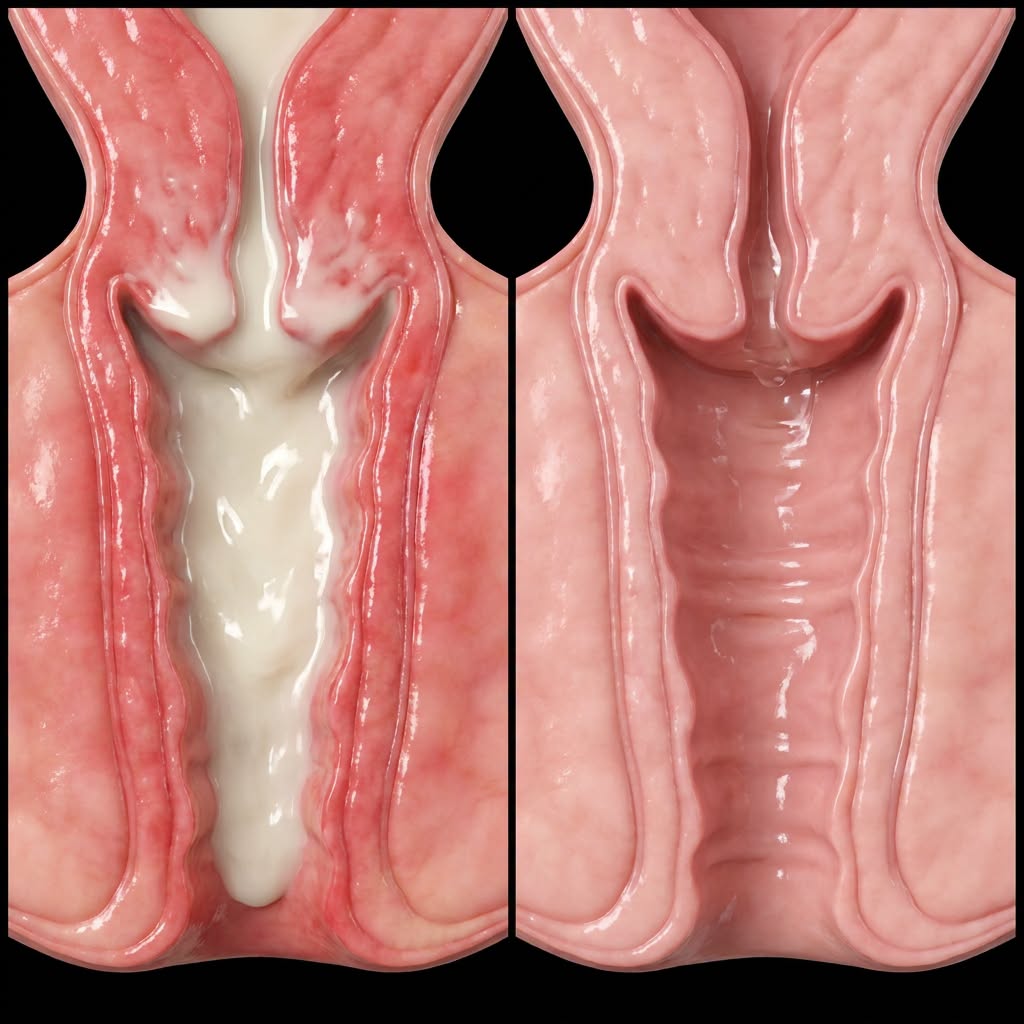
The vagina is a muscular, elastic canal designed to stretch and return toward its usual shape. During sexual arousal, the vaginal tissues naturally become more lubricated and expand to accommodate penetration. Afterward, the muscles and tissues generally return to their resting state.
The number of sexual partners a woman has had does not determine the permanent size or tightness of her vagina.
Vaginal changes can occur for several reasons, including pregnancy, childbirth, aging, hormonal changes, and pelvic floor conditions. These factors are much more relevant to vaginal comfort and muscle function than a person’s sexual history.
Understanding Vaginal Elasticity
The vagina contains muscular tissue and connective tissue that allow it to stretch and contract.
During sexual arousal, increased blood flow helps the vaginal tissues become more responsive. Natural lubrication reduces friction and can make intercourse more comfortable.
After sexual activity, the body gradually returns to its usual state.
Temporary sensations of fullness or relaxation are normal and do not indicate permanent damage.
It is also important to understand that every woman’s anatomy is different. Some women naturally have stronger pelvic floor muscles, while others may experience weakness or tension in those muscles.
These differences are not evidence of sexual experience.
What Actually Affects Vaginal Health?
Several factors can influence vaginal comfort, muscle function, and overall health.
1. Pregnancy and childbirth
Pregnancy places additional demands on the pelvic floor muscles. Vaginal childbirth can stretch these muscles and surrounding tissues, sometimes leading to temporary or persistent changes.
Some women experience pelvic floor weakness after childbirth, while others recover without significant difficulties.
Pelvic floor physical therapy can help women who experience symptoms such as urinary leakage, pelvic pressure, or discomfort.
2. Aging and hormonal changes
Estrogen helps maintain the health and elasticity of vaginal tissues.
During menopause, declining estrogen levels can contribute to vaginal dryness, thinning of the tissues, and discomfort during intercourse. These changes are related to hormonal fluctuations, not the number of sexual partners.
Medical treatments and appropriate lubricants or moisturizers may help relieve symptoms.
3. Pelvic floor muscle function
The pelvic floor muscles support the bladder, uterus, and bowel.
When these muscles are weak, a woman may experience urinary leakage or reduced support. When they are overly tense, she may experience pelvic pain or difficulty with penetration.
Pelvic floor exercises can be helpful for some people, but they are not appropriate for every condition. A healthcare professional or pelvic floor physical therapist can help determine the right approach.
4. Infections and sexual health
Having multiple sexual partners can increase the likelihood of exposure to sexually transmitted infections (STIs), particularly when barriers such as condoms are not used consistently.
However, the risk depends on several factors, including partners’ infection status, sexual practices, and protection.
STIs can affect people regardless of gender or relationship history. Many infections have no obvious symptoms, which is why testing is important for sexually active people.
Regular screening, appropriate vaccination, and honest communication with partners are practical ways to protect sexual health.
The Importance of Healthy Sexual Relationships
A healthy sexual relationship is built on mutual consent, respect, communication, and emotional safety.
People should feel comfortable discussing boundaries, contraception, STI testing, and personal preferences without fear of humiliation or judgment.
Sexual history alone cannot tell you whether someone is trustworthy, loving, responsible, or capable of maintaining a healthy relationship.
Those qualities are demonstrated through behavior.
It is also important to avoid comparing partners or using myths about anatomy to shame someone. Such attitudes can create insecurity and damage relationships.
Can Vaginal Exercises Improve Muscle Strength?
Pelvic floor exercises, commonly known as Kegel exercises, can help strengthen the muscles that support the pelvic organs.
When performed correctly, they may improve certain symptoms, including urinary leakage.
However, stronger muscles are not always better. Some women have pelvic floor muscles that are already too tight, and repeated contractions may worsen pain or discomfort.
A healthcare professional can help determine whether strengthening, relaxation techniques, or physical therapy is appropriate.
Vaginal tightening products and unregulated procedures should be approached with caution. Some can irritate or damage sensitive tissues, and many are marketed using misleading claims.
Replacing Shame With Accurate Information
The belief that a woman’s body can reveal her sexual history is not supported by medical evidence.
There is no reliable physical examination that can determine how many sexual partners a woman has had. Vaginal appearance, size, and muscle tone vary naturally from person to person.
A person’s sexual history does not define their dignity or value.
Instead of judging women based on myths, conversations about sexual health should focus on consent, safety, communication, and access to appropriate healthcare.
Final Thoughts
A woman’s vagina does not become permanently loose simply because she has had multiple sexual partners. Vaginal elasticity is a natural feature of the body, and changes in comfort or muscle function are influenced by factors such as childbirth, hormones, aging, and pelvic floor health.
Sexual health is best understood through accurate information rather than stereotypes.
Every person deserves respectful, evidence-based healthcare and the freedom to make informed decisions about their own body. By replacing outdated myths with medical knowledge, we can encourage healthier relationships, greater confidence, and more compassionate conversations about intimacy.