Did You Know That Older Men Experience Changes in Their Bodies as They Age? Here’s What Everyone Should Understand
As men grow older, their bodies go through many natural changes that can affect their health, energy, relationships, and overall well-being. Some of these changes are easy to notice, while others happen gradually over several years. Although aging is a normal part of life, many men feel uncomfortable discussing the changes they experience, especially when those changes involve intimate health.
The truth is that understanding the aging process can help men take better care of themselves, maintain their confidence, and enjoy a healthier life.
1. The Body Changes With Age
As men enter their 50s, 60s, 70s, and beyond, their bodies may begin to look and function differently. Muscle mass can decrease, skin may become thinner, and hair may turn gray or become less dense. These changes are natural and occur at different rates for different people.
Men may also notice changes in their reproductive health. Hormone levels, including testosterone, can gradually decline with age. However, this process varies considerably, and not every older man experiences the same symptoms.
Aging does not automatically mean losing strength, independence, or the ability to enjoy life. Regular physical activity, balanced nutrition, sufficient sleep, and routine medical care can make a meaningful difference.
2. Changes in the Penis Are Possible
One subject that many people hesitate to discuss is how the penis may change as a man grows older.
Some men notice that erections become less firm or take longer to develop. Others may find that they need more time between sexual activities or that sexual arousal happens differently than it did when they were younger.
These changes can be associated with alterations in blood circulation, hormone levels, nerve function, medications, and general health.
Some men may also notice changes in the appearance of their penis. For example, reduced skin elasticity and changes in surrounding body fat can affect how it looks. However, there is no single appearance or size that defines a healthy older man.
It is important to understand that age alone does not explain every change. A sudden change in sexual function, persistent pain, a new lump, or significant curvature deserves medical attention.
3. Blood Circulation Plays an Important Role
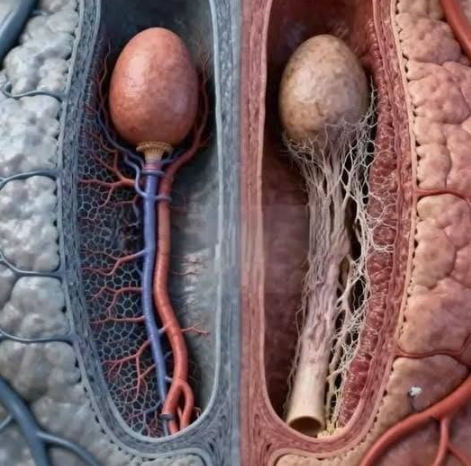
Healthy blood circulation is essential for erectile function. An erection occurs when blood flows into the penis and is retained there sufficiently to create firmness.
As men age, conditions such as high blood pressure, diabetes, high cholesterol, and cardiovascular disease become more common. These conditions can affect the blood vessels and contribute to erectile difficulties.
Smoking, excessive alcohol consumption, physical inactivity, and certain medications can also influence sexual function.
This is why erectile difficulties should not automatically be dismissed as an unavoidable consequence of getting older. Sometimes, they are an early sign of another health concern that deserves attention.
A healthcare professional can help identify possible causes and discuss appropriate treatments.
4. Testosterone and Sexual Health
Testosterone is an important hormone involved in male reproductive development, sexual desire, muscle maintenance, and other bodily functions.
Testosterone levels often decline gradually with age, but the change is not identical for every man. Some older men maintain normal levels and remain sexually active well into later life.
When testosterone is genuinely low, some men experience reduced sexual desire, fatigue, decreased muscle mass, or changes in mood. These symptoms can also result from other conditions, including sleep problems, depression, or chronic illness.
Doctors generally evaluate symptoms alongside blood tests before diagnosing testosterone deficiency. Hormone treatment is not appropriate for everyone and should only be considered after an individualized medical assessment.
5. Intimacy Does Not Have an Expiration Date
One of the biggest misconceptions about aging is that intimacy becomes unimportant after a certain age.
In reality, affection, companionship, emotional closeness, and sexual connection can remain meaningful throughout life. Some couples find that their relationships become more comfortable and fulfilling as they grow older because they communicate more openly and understand each other’s needs better.
Intimacy does not have to follow the same pattern it did in younger years. Holding hands, hugging, kissing, sharing conversations, and spending quality time together can all strengthen a relationship.
For couples who wish to maintain a sexual relationship, honest communication can make it easier to discuss changing desires, physical comfort, and health concerns without embarrassment.
6. Prostate Health Matters
The prostate is a small gland located below the bladder. As men grow older, the prostate commonly increases in size. This condition, known as benign prostatic hyperplasia, is not cancer, although it can cause uncomfortable urinary symptoms.
Possible symptoms include needing to urinate more frequently, waking up during the night to use the bathroom, experiencing a weak urine stream, or having difficulty starting urination.
These symptoms should be discussed with a healthcare professional, particularly if they interfere with daily activities or sleep.
Blood in the urine, painful urination, or an inability to urinate requires prompt medical evaluation. An inability to urinate suddenly can be an emergency.
Prostate cancer screening decisions should be made with a healthcare professional after discussing individual risk factors, potential benefits, and possible harms.
7. Healthy Habits Can Support Sexual Function
Although aging cannot be stopped, healthy habits can help protect overall health and may improve sexual function.
Walking regularly, swimming, cycling at a comfortable intensity, and participating in appropriate strength exercises can support cardiovascular fitness and muscle strength.
Eating a balanced diet rich in vegetables, fruits, whole grains, lean protein, and healthy fats can help maintain a healthy weight and support the heart and blood vessels.
Getting enough sleep is equally important. Persistent tiredness, loud snoring, or interrupted breathing during sleep may indicate a problem worth discussing with a doctor.
Men who smoke may benefit significantly from quitting. Limiting alcohol and managing stress can also support general health.
There is no miracle food or supplement that guarantees improved sexual performance, and products promising instant results should be approached cautiously.
8. Emotional Health Is Just as Important
Physical changes can affect a man’s confidence, especially when he believes he must always appear strong or perform in a particular way.
Some men feel embarrassed about erectile difficulties or reduced sexual desire and avoid discussing them with their partners or doctors. Unfortunately, remaining silent can increase anxiety and create unnecessary tension in a relationship.
Open communication helps both partners understand that physical changes are not necessarily a reflection of attraction, love, or commitment.
If sexual difficulties are causing distress, professional medical advice or counseling may help. Many causes of erectile dysfunction are treatable, and seeking help is a sensible step rather than a reason for embarrassment.
9. When Should an Older Man See a Doctor?
Men should seek medical advice when they experience persistent changes in sexual function, unexplained pain, unusual discharge, blood in the urine, new lumps, or significant changes in urinary habits.
A clinician can review medications, assess cardiovascular and metabolic health, and determine whether additional testing is necessary.
Men should never stop prescribed medication or begin testosterone products without professional guidance. Treatments that are helpful for one person may be unsuitable for another.
Regular checkups also provide an opportunity to discuss blood pressure, diabetes risk, cholesterol, cancer screening, vaccinations, and other age-related health concerns.
10. Aging Is Not the End of a Healthy Life
Growing older does not mean a man must stop caring about his appearance, relationships, physical fitness, or happiness.
Many older men continue to work, exercise, travel, build friendships, fall in love, and discover new interests. Their experiences can give them a deeper understanding of themselves and the people around them.
The most important lesson is that every man ages differently. Genetics, lifestyle, medical history, relationships, and access to healthcare all influence how someone feels over time.
Instead of feeling ashamed of natural bodily changes, men should focus on understanding them and seeking help when necessary.
The bottom line: Changes in the penis, erections, hormones, and sexual desire can occur as men age, but they are not identical for everyone, and many sexual health concerns can be treated. Getting older is a normal part of life, not a reason to stop prioritizing health, affection, confidence, or personal happiness.
Taking care of the body, maintaining meaningful relationships, and speaking openly with healthcare professionals can help men enjoy a better quality of life at every age.