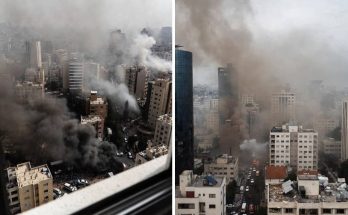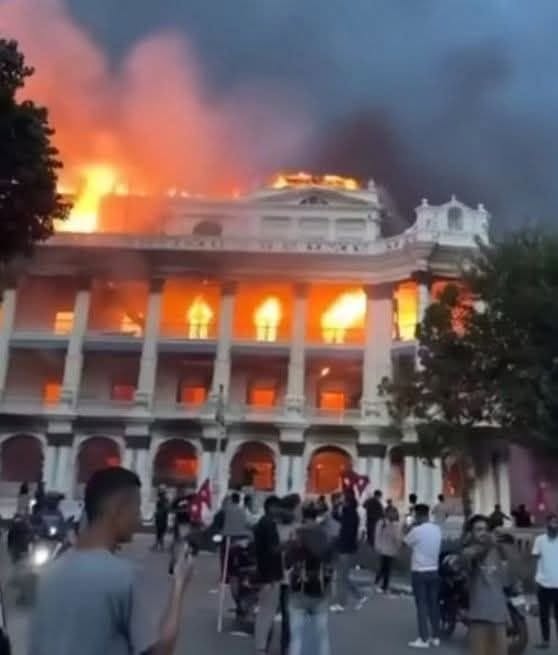
BREAKING NEWS: A Tremendous Fire Breaks Out in California — What We Know
A dramatic fire emergency is unfolding in California, where multiple new fires have been reported in different parts of the state in the early hours of October 3, 2026. Because the headline circulating online does not identify a specific location, it would be misleading to present one particular blaze as the event described. Current California fire reports list new incidents in Los Angeles County, Riverside County, Alameda County and elsewhere.
That uncertainty is important. Viral posts often use phrases such as “just hours ago” and “tremendous fire” to create urgency, while leaving out the exact location, size, cause, or confirmed consequences.
What follows is a factual look at why these incidents can develop so quickly and what people should know when a fire is reported nearby.
California Fire Reports Are Developing
Current reports from California news sources show several fire incidents being tracked on October 3.
Among them are newly reported fires in Los Angeles County, the Carbon Fire in Los Angeles County, and the Midway Fire in Alameda County. A separate report says the Mustang Fire in the Riverside/San Bernardino area had reached approximately 12 acres as of early October 3.
Because several fires are active or recently reported, a vague social-media headline can easily cause readers to assume that all reports refer to one enormous blaze.
They do not necessarily do so.
The exact location and identity of the fire should always be confirmed through local fire authorities or established news organizations before sharing dramatic claims.
Why California Fires Can Become Dangerous Quickly
Wildfires can change dramatically depending on wind, vegetation, terrain, humidity, temperature, and the location of the ignition.
A relatively small fire can sometimes spread when conditions allow flames to move rapidly through dry vegetation.
Wind can be especially important because it can carry burning embers beyond the main fire front. Those embers may ignite vegetation or structures farther away, potentially creating additional fires.
Terrain also matters. Fire can behave differently on slopes, in valleys, and across open areas.
This is why firefighters continuously reassess conditions instead of assuming that a fire will behave exactly as it did an hour earlier.
The First Priority Is Safety
When a fire is reported nearby, people should not wait for social media to explain what is happening.
Official emergency alerts and instructions from local authorities should take priority.
If evacuation orders are issued, residents should leave according to those instructions and use designated routes when provided.
People should also avoid driving toward an active fire simply to photograph it.
Firefighters, police officers, emergency medical personnel, utility crews, and other responders may need roads to remain clear.
A person attempting to get a closer look can unintentionally interfere with emergency operations or place themselves in danger.
Smoke Can Travel Far From a Fire
One reason fires can affect communities that are not immediately next to the flames is smoke.
Smoke can travel considerable distances depending on wind and atmospheric conditions.
People who are sensitive to smoke may notice coughing, throat irritation, watery eyes, or difficulty breathing.
When authorities issue air-quality guidance, residents should follow it, particularly people with respiratory conditions, older adults, children, and others who may be more vulnerable to poor air quality.
The visible location of smoke does not necessarily indicate the exact location of the fire.
Don’t Assume the Cause
One of the biggest mistakes made during breaking-news events is speculation.
When flames appear suddenly, people may immediately blame a person, a vehicle, electrical equipment, weather, or some other cause.
But the cause of a fire generally requires an investigation.
Investigators may examine the origin point, physical evidence, electrical systems, weather conditions, witness statements, video recordings, and other information.
Until authorities establish the cause, social-media theories should not be presented as facts.
The same principle applies to casualty numbers, property damage, evacuation figures, and claims that a fire is “out of control.”
Those details can change as firefighters and investigators gather information.
The Mustang Fire Shows How Quickly Information Can Change
One currently reported California incident illustrates why updates matter.
The Mustang Fire, reported near Calimesa, was listed at approximately 12 acres in an early October 3 update, with containment information still unavailable at that time. The cause was listed as undetermined.
A fire report like this is a snapshot rather than a final account.
Fire size, containment, evacuation status, and the threat to nearby communities can change as crews work.
That is why responsible reporting should include the time of the update.
Emergency Crews Face Multiple Challenges
Firefighters dealing with a wildfire have to manage much more than visible flames.
Crews may need to protect homes, establish containment lines, coordinate aircraft, manage traffic, communicate evacuation information, and monitor changing weather conditions.
They also have to consider the possibility of fire spreading in directions that were not initially expected.
This makes wildfire response a coordinated operation involving numerous agencies.
The public generally sees only the flames and smoke. Behind the scenes, emergency personnel are making continuous decisions about where resources are needed most.
Residents Should Have a Preparedness Plan
A fire emergency is easier to manage when people have prepared before the emergency begins.
Residents in fire-prone areas can keep important documents, medications, chargers, water, food, pet supplies, and other necessities ready to leave quickly.
It is also useful to know multiple routes away from a home or neighborhood.
People should make arrangements for pets and livestock before an emergency occurs because evacuation decisions can sometimes happen quickly.
Official emergency notification systems can also provide important information about evacuation orders, warnings, road closures, and other developments.
For example, San Bernardino County Fire directs residents toward its emergency notification resources and preparedness information.
Social Media Can Help—and Mislead
During a major emergency, social media can provide eyewitness photographs and videos within minutes.
That can be useful.
But speed does not equal accuracy.
Old photographs can be reposted as new. Videos from another country can be given a California caption. A photograph from a previous wildfire can circulate again months or years later.
Fact-checkers have documented this problem before. One viral fire video accompanied by a “breaking news” caption was found to show a 2023 fire in Dhaka, Bangladesh, rather than a recent incident.
That is why people should check the date, location, original source, and official reports before sharing a dramatic image.
What We Can Confirm Right Now
As of the latest available reports on October 3, 2026, California is dealing with multiple reported fire incidents.
However, the exact fire referred to by the viral headline “Just hours ago, a tremendous fire broke out in Ca…” cannot be established from the headline alone.
Current reporting confirms new fires in parts of Los Angeles County and elsewhere, while the Mustang Fire had been reported at about 12 acres.
That distinction matters.
A responsible news article should not invent a city, casualty count, evacuation order, acreage figure, or cause simply to make a headline sound more dramatic.
A Developing Story
Fire situations can evolve rapidly.
A small incident can be contained quickly, while another may require evacuation or additional firefighting resources.
For people near an active fire, the most important information is not the most dramatic photograph or social-media caption. It is the official information about where the fire is, whether evacuation orders are active, which roads are closed, and what residents should do next.
California’s fire situation will continue to change as crews respond and authorities provide updates.
For now, anyone sharing this story should be careful about presenting an unspecified viral headline as a confirmed description of one particular disaster.
The flames may be real, but the details surrounding a viral post still need to be verified.
And during any fire emergency, the safest approach is simple: follow official alerts, stay away from active fire zones, keep emergency routes clear, and do not spread unverified information.