🌿 Every Woman Should Know What Cloves Can Do — And What the Science Really Says 🌿
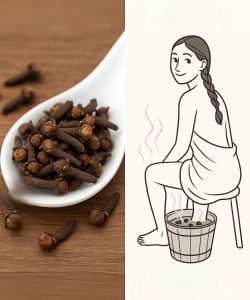
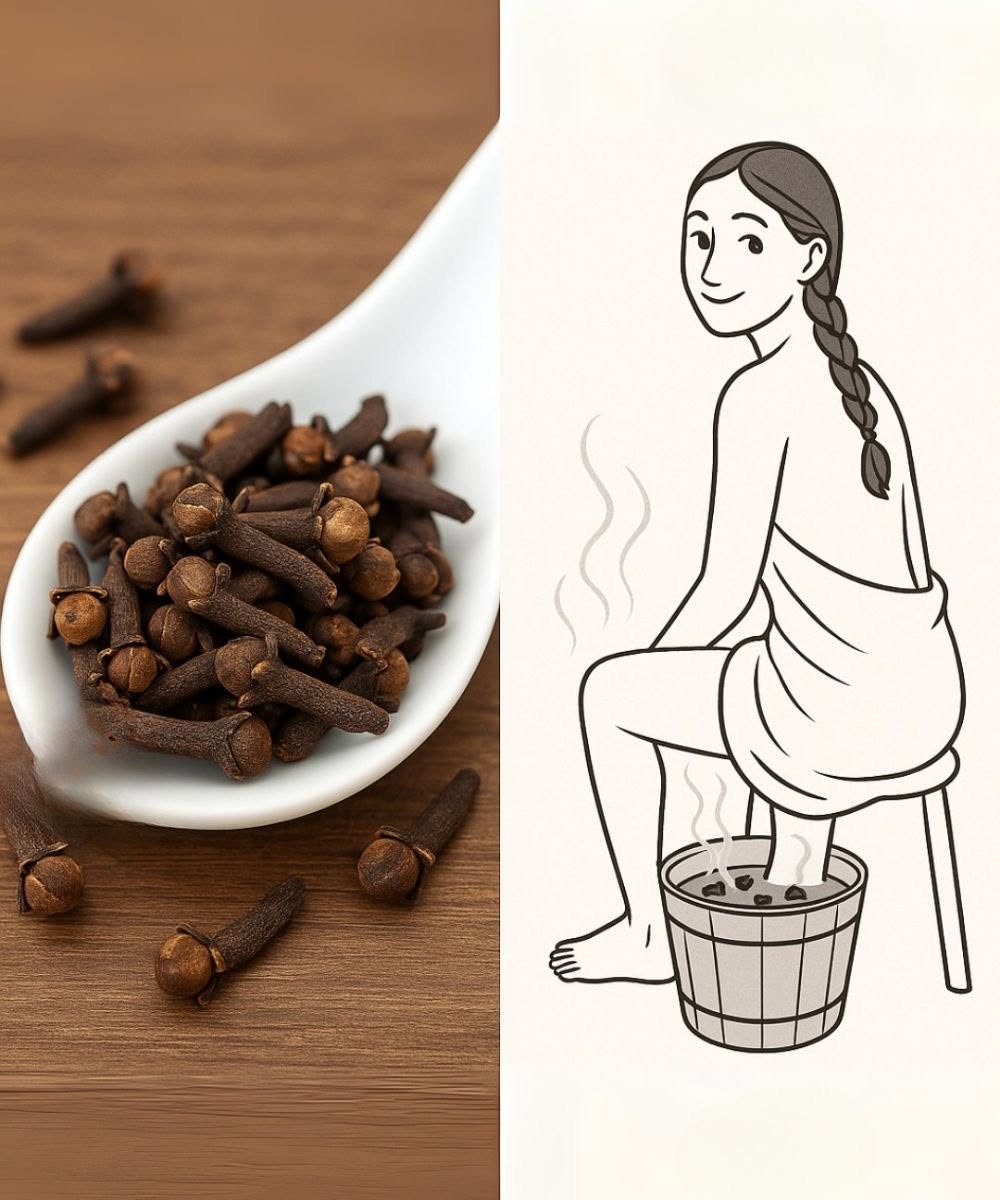
Cloves may be tiny, but they have been used in cooking and traditional wellness practices for centuries. Their warm aroma and strong flavor make them easy to recognize, but there is much more to this familiar spice than its taste.
For generations, people have used cloves in teas, foods, traditional preparations, and home remedies. Today, researchers are also interested in compounds found in cloves, particularly eugenol, a naturally occurring substance responsible for much of the spice’s distinctive aroma.
But before reaching for cloves as a remedy, it is important to understand what they may realistically offer — and where popular internet claims go too far.
🌿 1. Cloves Are Rich in Antioxidant Compounds
Cloves contain plant compounds with antioxidant activity.
Antioxidants help protect cells from oxidative stress caused by unstable molecules known as free radicals. A diet containing a variety of fruits, vegetables, herbs, and spices can provide many different antioxidant compounds.
Cloves are particularly concentrated because only a small amount is normally used in cooking.
Adding a little ground clove to oatmeal, tea, baked goods, or other foods can therefore contribute flavorful plant compounds to the diet.
However, more is not necessarily better.
🦷 2. Cloves Have Traditionally Been Used for Dental Comfort
One of the best-known traditional uses of cloves involves the mouth and teeth.
Eugenol has been studied for its properties in dentistry, and clove-derived compounds have been used in some dental materials.
This history explains why people have traditionally placed cloves near an uncomfortable tooth.
However, a home remedy should not replace professional dental care. Tooth pain can be caused by cavities, infection, damaged teeth, gum disease, or other problems that require proper treatment.
If pain is severe, persistent, accompanied by swelling, fever, or difficulty swallowing, professional medical or dental attention is important.
🌸 3. Cloves and Women’s Wellness
Online articles sometimes claim that cloves can “balance hormones,” improve fertility, cure infections, or solve menstrual problems.
These claims are much stronger than the available evidence supports.
Some laboratory and animal studies have examined compounds in cloves in relation to inflammation, metabolism, reproductive biology, and other processes. But results from laboratory or animal research cannot automatically be translated into proven benefits for women.
There is currently no good reason to consider cloves a universal treatment for hormonal problems, infertility, menstrual disorders, or reproductive diseases.
Women experiencing unusual bleeding, severe menstrual pain, fertility difficulties, or other persistent symptoms should speak with an appropriate healthcare professional rather than relying on a spice as treatment.
☕ 4. Clove Tea Can Be a Pleasant Beverage
One simple way to enjoy cloves is as part of a warm beverage.
A few whole cloves can be steeped in hot water and combined with ingredients such as cinnamon, ginger, lemon, or a small amount of honey.
For many people, the appeal is simply the comforting aroma and flavor.
There is no need to consume large quantities to obtain the benefits associated with the spice.
In fact, concentrated clove oils and supplements are very different from the small amounts of cloves normally used in food.
🧬 5. Eugenol Is an Interesting Compound
Much of the scientific interest surrounding cloves focuses on eugenol.
Laboratory research has investigated eugenol for antioxidant, antimicrobial, and anti-inflammatory activity.
This research is interesting, but laboratory findings are not equivalent to proof that eating cloves will prevent or cure a particular disease.
That distinction is important because social-media posts often take an early scientific finding and turn it into a dramatic health promise.
Science generally moves more slowly.
Researchers need controlled studies involving people to determine whether a substance actually provides a meaningful health benefit, what dose is appropriate, and what risks may exist.
🍽️ 6. A Little Can Go a Long Way
Cloves have an extremely strong flavor.
Fortunately, you do not need a large quantity when using them as a culinary spice.
Try adding a small amount of ground clove to:
- Oatmeal
- Baked apples
- Chai or tea
- Smoothies
- Rice dishes
- Soups
- Roasted vegetables
- Homemade spice blends
Using herbs and spices is one simple way to make nutritious foods more enjoyable without depending on excessive salt or sugar.
⚠️ 7. More Cloves Do Not Mean More Health
This is one of the most important points to remember.
Because cloves contain concentrated compounds such as eugenol, consuming large amounts — particularly concentrated clove oil — can be harmful.
Clove oil should not be casually swallowed.
Large amounts may cause irritation and other toxic effects, and concentrated essential oils can be especially dangerous when misused.
People taking medications that affect blood clotting should also discuss concentrated clove products with a healthcare professional because eugenol may affect platelet activity.
Pregnant or breastfeeding women should consult a healthcare professional before using medicinal quantities or concentrated supplements.
💚 8. Cloves Belong in a Bigger Picture
No single spice can provide everything the body needs.
Women’s health depends on many factors, including nutritious food, physical activity, adequate sleep, preventive healthcare, stress management, and appropriate medical treatment when problems occur.
Cloves can be part of a varied diet, but they should not be presented as a replacement for those fundamentals.
Think of cloves as one small ingredient rather than a miracle solution.
🌿 9. Traditional Remedies Still Deserve Careful Evaluation
Traditional knowledge can provide interesting clues for scientific research.
Many plants used for generations contain biologically active compounds, and cloves are a good example.
But traditional use alone does not establish that a treatment is effective for a particular medical condition.
The safest approach is to appreciate traditional practices while also asking what modern research actually demonstrates.
That means separating “may have potential” from “has been proven to treat.”
Those phrases are not interchangeable.
❤️ 10. Listen to Your Body
Perhaps the most important message for women is not about cloves at all.
It is about paying attention to changes in your health.
Persistent fatigue, unexplained weight changes, unusual bleeding, pelvic pain, recurring infections, changes in digestion, or other new symptoms should not automatically be blamed on diet or treated with home remedies.
Sometimes a symptom is temporary and harmless.
Sometimes it deserves professional evaluation.
Knowing the difference can be far more valuable than any viral health trick.
🌸 The Bottom Line
Cloves are a flavorful spice containing interesting plant compounds, including eugenol. They have a long history of traditional use and have been studied for antioxidant, antimicrobial, and other biological properties.
But many dramatic claims circulating online go beyond what human research has established.
Cloves can be enjoyed in ordinary foods and beverages, but concentrated preparations should be treated with caution. They should not be considered a cure for hormonal disorders, infertility, infections, chronic disease, or other medical conditions.
🌿 Sometimes the smallest ingredients can add something valuable to a healthy lifestyle — but the healthiest approach is to use them wisely, understand their limitations, and avoid turning a traditional remedy into a miracle cure.
A little clove in your favorite recipe can bring warmth, flavor, and an intriguing collection of natural compounds.
And that may be more than enough.