 The Mystery of the Green Ring: Why It Appears Around Hard-Boiled Egg Yolks
Hard-boiled eggs are a staple in kitchens around the world. Whether sliced into salads, mashed into deviled eggs, or eaten whole as a protein-packed snack, they’re beloved for their simplicity and versatility. But if you’ve ever peeled a freshly boiled egg only to find a greenish-gray ring around the yolk, you’re not alone—and you’re probably wondering what went wrong. Is it safe to eat? Is the egg spoiled? And most importantly, how can you prevent it?
Let’s crack open the science behind this common kitchen mystery.
What Causes the Green Ring?
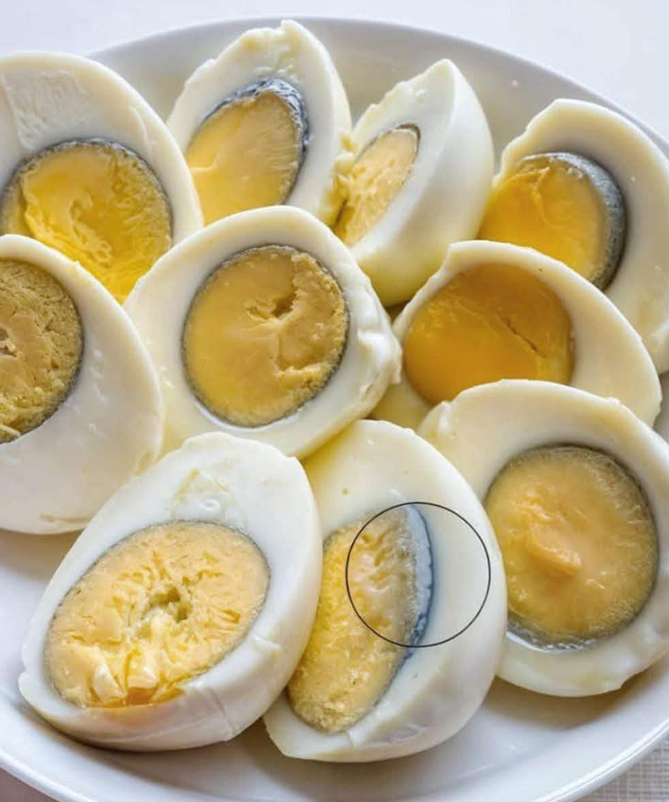
The green ring that sometimes appears around the yolk of a hard-boiled egg is the result of a chemical reaction between two naturally occurring elements in the egg: iron and sulfur.
- Sulfur is found in the egg white.
- Iron is concentrated in the yolk.
When eggs are cooked for too long or at too high a temperature, the heat causes sulfur from the white to migrate toward the yolk. There, it reacts with iron to form ferrous sulfide, a compound that has a greenish-gray color. This reaction occurs primarily at the boundary where the yolk meets the white, which is why the discoloration forms a ring.
It’s important to note that this reaction is harmless. The green ring doesn’t indicate spoilage or contamination—it’s simply a sign of overcooking.
Is It Safe to Eat?
Yes, absolutely. Eggs with a green ring around the yolk are safe to eat. The discoloration may affect the texture and appearance, but it doesn’t compromise the nutritional value or safety of the egg.
In fact, the same amino acids responsible for producing hydrogen sulfide (the gas that contributes to the green ring) are also essential for healthy skin, hair, and nails. So while the green ring might not be ideal for presentation—especially in dishes like deviled eggs—it’s not a health concern.
Factors That Contribute to the Green Ring
Several cooking-related factors can increase the likelihood of this reaction:
1. Overcooking
The most common cause. Boiling eggs for too long allows more time for sulfur and iron to interact.
2. High Heat
Rapid boiling at high temperatures accelerates the chemical reaction. Gentle cooking is key.
3. Slow Cooling
If eggs remain hot after cooking, the reaction continues. Cooling them quickly halts the process.
4. High Iron Content in Water
In rare cases, the minerals in your cooking water—especially iron—can intensify the reaction.
5. Older Eggs
While freshness isn’t the main factor, older eggs may be more prone to discoloration due to changes in their internal chemistry.
How to Prevent the Green Ring
If you’re aiming for perfectly yellow yolks with no green ring, here are some tried-and-true tips:
1. Use Gentle Heat
Start eggs in cold water and bring them to a gentle boil. Once boiling, remove from heat and let them sit in the hot water for 9–12 minutes, depending on size.
2. Cool Quickly
Immediately transfer cooked eggs to an ice bath or run them under cold water. This stops the cooking process and prevents further chemical reactions.
3. Don’t Overcook
Set a timer. Overcooking is the primary culprit behind green rings. Ten minutes is usually sufficient for large eggs.
4. Use Fresh Eggs
While older eggs peel more easily, fresher eggs are less likely to develop discoloration.
5. Try Steaming or Pressure Cooking
Alternative methods like steaming or using a pressure cooker can yield more consistent results and reduce the risk of overcooking.
The Science Behind the Reaction
Let’s dive a little deeper into the chemistry. The green ring is caused by the formation of ferrous sulfide (FeS). This compound forms when:
- Hydrogen sulfide (H₂S), a gas released from sulfur in the egg white, migrates toward the yolk.
- It reacts with iron (Fe) in the yolk.
- The result is a greenish-gray compound that settles at the yolk’s surface.
This reaction is temperature-dependent and occurs more readily at high heat. It’s also influenced by pH levels and the duration of cooking.
Hard-Boiled vs. Hard-Cooked
Interestingly, many culinary experts prefer the term “hard-cooked” over “hard-boiled.” That’s because the best results come from not boiling the eggs vigorously. Instead, they’re gently cooked in hot water, which minimizes the risk of rubbery whites and green rings.
This method also helps preserve the delicate proteins in the egg, resulting in a creamier yolk and a more tender white.
Presentation Matters
While the green ring doesn’t affect taste or safety, it can be visually unappealing—especially in dishes where eggs are the star. Deviled eggs, Cobb salads, and Niçoise platters all benefit from bright, golden yolks.
If you’re preparing eggs for guests or presentation, following the prevention tips above will help you achieve picture-perfect results.
What If You Already Have a Green Ring?
Don’t toss the eggs! They’re still nutritious and delicious. Use them in recipes where appearance isn’t critical:
- Egg salad
- Potato salad
- Sandwich fillings
- Chopped into grain bowls
You can also mash the yolks with mayonnaise and mustard for deviled eggs—just add a pinch of turmeric or paprika to brighten the color.
Conclusion: A Common Kitchen Quirk
The green ring around hard-boiled egg yolks is a classic example of kitchen science in action. It’s a harmless reaction caused by overcooking, and while it may not be ideal for presentation, it doesn’t affect the safety or nutrition of the egg.
Understanding the cause—and knowing how to prevent it—can help you master the art of hard-cooked eggs. Whether you’re prepping for brunch, meal prepping for the week, or just enjoying a simple snack, a perfectly cooked egg is a small but satisfying culinary victory.
So next time you spot that green ring, you’ll know exactly what it is—and how to keep it from showing up again.