As people grow older, many aspects of life change, including relationships, confidence, health, and the way people understand intimacy. The phrase “old men have the pe…” is often used online as a provocative teaser, but there is a much more interesting and respectful story behind aging and intimacy than a sensational headline suggests.
One common misconception is that getting older automatically means losing interest in romance or intimacy. In reality, many older men continue to value affection, companionship, attraction, and close relationships. What may change is not necessarily the desire itself, but the way intimacy is experienced and understood.
With age often comes experience. Someone who has spent decades navigating relationships may have learned that intimacy involves much more than physical attraction. Communication, trust, patience, emotional connection, and mutual respect can become increasingly important. Younger people sometimes focus heavily on appearance or excitement, while older adults may place greater value on compatibility and feeling comfortable with another person.
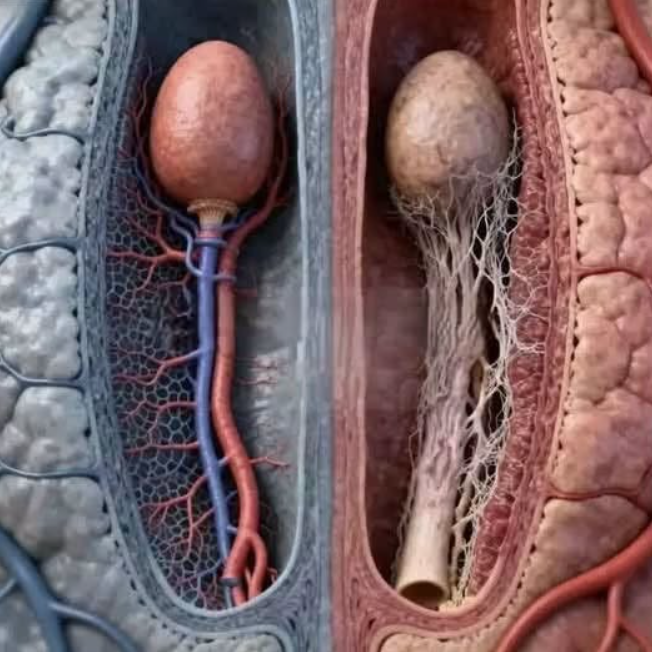
There are also biological changes that can affect men’s sexual health as they age. Testosterone levels generally decline gradually over adulthood, and changes in circulation, medications, stress, sleep, and overall health can influence sexual function. Some men may experience changes in erectile function or libido. These changes are common, but they are not necessarily an unavoidable consequence of aging.
Lifestyle can make an important difference. Regular physical activity, nutritious food, adequate sleep, moderation with alcohol, avoiding tobacco, and maintaining a healthy weight can support cardiovascular health and overall well-being. Because sexual function is closely connected to blood circulation and nervous-system health, taking care of the body can also support intimacy.
Another important factor is communication. Older couples may have spent many years together and therefore know one another extremely well. That familiarity can create a deeper level of comfort. Partners may feel more willing to discuss preferences, concerns, changing needs, and expectations than they did when they were younger.
For people who begin relationships later in life, there can be a different kind of excitement. Dating after retirement, divorce, or the loss of a long-term partner can feel intimidating, but it can also create opportunities for companionship and personal growth. Older adults may approach relationships with a clearer understanding of what they want and what they do not want.
Confidence can also change with age. While society often associates youth with attractiveness, many people become more comfortable with themselves as they grow older. They may become less concerned about meeting unrealistic expectations and more interested in being genuine.
Of course, every person ages differently. There is no single experience that applies to all older men. Some remain highly interested in dating and intimacy, while others place their priorities elsewhere. Some experience few physical changes, while others encounter health conditions that affect their relationships.
Medical care can be helpful when physical changes become concerning. Erectile difficulties, for example, can sometimes be associated with conditions such as cardiovascular disease, diabetes, high blood pressure, medication effects, or other health issues. Rather than assuming such changes are simply “part of getting old,” speaking with a qualified healthcare professional can help identify possible causes and appropriate treatments.
Mental and emotional health matter too. Stress, loneliness, depression, grief, and anxiety can influence desire and relationship satisfaction at any age. For older adults, major life transitions such as retirement or changes in family circumstances can have a particularly strong emotional impact. Maintaining friendships, hobbies, social connections, and meaningful activities can contribute to a healthier and happier life.
Perhaps the biggest lesson behind the viral claim is that aging does not erase a person’s capacity for affection, attraction, or connection. People do not suddenly stop having emotions or wanting companionship simply because they reach a certain birthday.
In fact, later life can bring a deeper appreciation for relationships. Experiences accumulated over decades can teach people about patience, forgiveness, boundaries, communication, and the importance of treating another person with dignity.
So instead of reducing older men to a sensational claim about physical characteristics, it is worth looking at the bigger picture. Aging is a complex process involving the body, mind, emotions, relationships, and lifestyle. While physical changes are real, they do not tell the entire story.
The most meaningful part of growing older may be gaining a better understanding of oneself and learning that closeness does not have to disappear with age. Romance, companionship, affection, and intimacy can remain important throughout adulthood.
Ultimately, there is no universal rule about what older men are like. Every individual has a different history, personality, health situation, and relationship experience. The internet may turn aging into a provocative joke or clickbait headline, but reality is considerably more nuanced—and often far more interesting.