These Are the First Symptoms of a Serious Health Condition You Should Never Ignore
Our bodies have an incredible way of communicating with us. Long before a serious illness is diagnosed, subtle signs often begin to appear. Unfortunately, many of these early symptoms are easy to dismiss as stress, aging, lack of sleep, or a temporary illness. While most common symptoms are caused by minor conditions, some may signal a more serious underlying health problem that deserves prompt medical attention.
Recognizing early warning signs doesn’t mean assuming the worst. Instead, it means paying attention to changes in your body and seeking professional medical advice when something doesn’t feel right. Early detection can often make treatment more effective and improve long-term outcomes.
One of the most common warning signs is persistent fatigue. Everyone feels tired occasionally, especially after a busy week or a poor night’s sleep. However, fatigue that lasts for several weeks despite adequate rest may indicate that something more serious is happening. Conditions such as anemia, thyroid disorders, diabetes, heart disease, infections, autoimmune disorders, and certain cancers can all cause ongoing exhaustion.
Another symptom people frequently overlook is unexplained weight loss. Losing weight without changing your diet or exercise routine isn’t always good news. While some people naturally experience fluctuations in weight, a noticeable loss over a short period should be discussed with a healthcare provider. Digestive disorders, hormonal problems, chronic infections, and some forms of cancer can contribute to unexpected weight loss.
Shortness of breath is another symptom that should never be ignored, especially if it occurs suddenly or during activities that were previously easy. Although poor physical fitness can contribute to breathlessness, persistent or worsening shortness of breath may be associated with asthma, chronic lung disease, heart conditions, blood clots, or other medical problems.
Persistent chest discomfort or pain deserves immediate attention, particularly if it spreads to the jaw, shoulder, arm, or back or is accompanied by sweating, nausea, or difficulty breathing. While chest pain can have many causes—including muscle strain, acid reflux, or anxiety—it can also signal a heart attack or another serious cardiovascular condition that requires emergency evaluation.
Changes in bowel or bladder habits can also serve as early warning signs. Ongoing constipation, diarrhea, blood in the stool, frequent urination, painful urination, or blood in the urine should not be ignored. These symptoms may result from infections or less serious conditions, but they can also indicate inflammatory bowel disease, kidney disease, or certain cancers.
Another common symptom is persistent coughing. A cough caused by a cold usually improves within a few weeks. However, a cough lasting longer than three weeks, especially if accompanied by coughing up blood, unexplained weight loss, or shortness of breath, warrants medical evaluation. Smoking history and environmental exposures are also important factors to discuss with a healthcare provider.
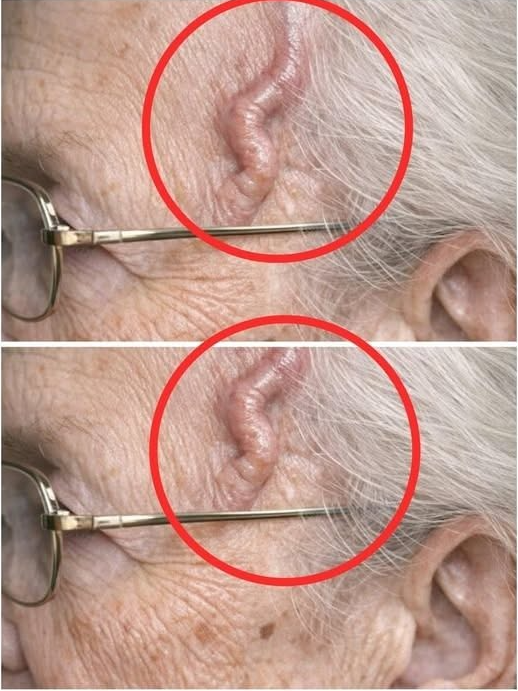
Many people overlook changes in the skin. A new mole, a mole that changes in size, color, or shape, sores that won’t heal, or unusual skin discoloration should be examined by a medical professional. Skin changes can result from harmless conditions, but they can also be early signs of skin cancer or other diseases.
Persistent headaches deserve attention as well. Most headaches are caused by tension, dehydration, migraines, or sinus problems. However, sudden, severe headaches or headaches accompanied by confusion, weakness, vision changes, fever, or difficulty speaking require immediate medical care because they may indicate a stroke, bleeding, or another neurological emergency.
Frequent infections can sometimes suggest that the immune system is not functioning properly. If someone experiences repeated respiratory infections, slow wound healing, or illnesses that seem unusually difficult to recover from, it is worth discussing these concerns with a healthcare provider.
Another symptom people often dismiss is persistent abdominal pain. While digestive discomfort is common, ongoing pain, especially when associated with fever, vomiting, unexplained weight loss, blood in the stool, or severe tenderness, should never be ignored. Many digestive disorders can be treated effectively when diagnosed early.
Mental changes can also be important warning signs. Confusion, memory problems, personality changes, or difficulty concentrating may sometimes result from stress or lack of sleep, but they can also reflect neurological conditions, vitamin deficiencies, infections, medication side effects, or other medical issues.
Swelling in the legs or feet may seem minor, but persistent swelling can sometimes indicate heart, kidney, liver, or circulatory problems. If swelling develops suddenly or is accompanied by chest pain or difficulty breathing, emergency medical evaluation is recommended.
It’s also important to recognize symptoms that require immediate emergency care. These include sudden weakness on one side of the body, difficulty speaking, severe chest pain, sudden vision loss, loss of consciousness, seizures, severe allergic reactions with difficulty breathing, or uncontrolled bleeding. In these situations, emergency services should be contacted immediately.
The challenge with many serious illnesses is that their earliest symptoms are often vague. Fatigue, mild pain, occasional dizziness, or changes in appetite can have dozens of possible causes. Most of the time, these symptoms are not caused by life-threatening conditions. However, persistent, worsening, or unexplained symptoms deserve professional evaluation rather than self-diagnosis.
Regular preventive care also plays a critical role in staying healthy. Routine checkups, recommended screenings, vaccinations, blood pressure monitoring, cholesterol testing, and age-appropriate cancer screenings can detect many health problems before symptoms even appear. Maintaining a balanced diet, exercising regularly, avoiding tobacco, limiting alcohol, getting adequate sleep, and managing stress also contribute significantly to overall health.
Perhaps the most important message is to trust your instincts. You know your body better than anyone else. If something feels unusual or continues despite rest and self-care, don’t ignore it simply because you’re busy or hope it will disappear on its own. Seeking medical advice early doesn’t necessarily mean something serious is wrong—it simply allows healthcare professionals to determine the cause and recommend appropriate care.
Disclaimer: This article is for general informational purposes only and is not a substitute for professional medical advice, diagnosis, or treatment. If you experience concerning symptoms or believe you may have a medical emergency, contact a qualified healthcare provider or your local emergency services immediately.