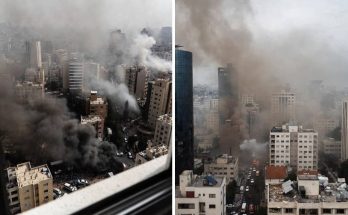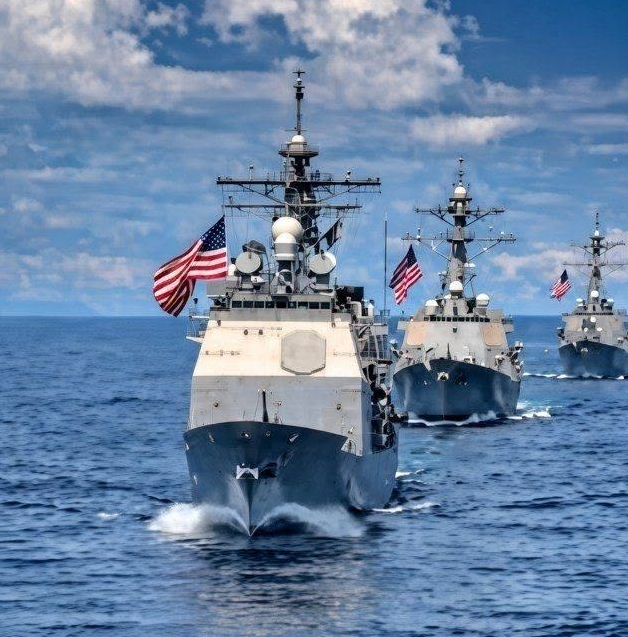
Fiction: The Day the World Held Its Breath
The emergency broadcast interrupted every television channel at exactly 8:00 a.m.
“Good morning. This is a special report. Government officials have confirmed that U.S. military forces have begun a major overseas operation following weeks of escalating international tensions.”
Within minutes, social media exploded with speculation. Some posts claimed a full-scale war had begun, while others insisted the reports were exaggerated. Millions of people refreshed news websites, trying to separate facts from rumors.
In Washington, officials gathered inside the Situation Room. Military advisers, intelligence analysts, and cabinet members reviewed maps displayed across enormous digital screens. Satellite images updated every few seconds as information poured in from around the world.
President Michael Carter addressed the nation from the White House.
“Our military has begun a limited defensive operation in response to direct threats against American personnel overseas. Our objective is to protect lives, restore stability, and prevent further escalation.”
The speech lasted only twelve minutes, yet every sentence was analyzed by experts across television networks.
Thousands of miles away, American service members prepared for an uncertain mission. Pilots performed final equipment checks while naval vessels moved into position. Communication officers monitored encrypted transmissions throughout the night.
Captain Elena Brooks stood quietly beside her aircraft. She had trained for years, knowing that one day she might be called upon to serve during an international crisis.
“This is why we train,” she told her crew. “Stay focused. Watch out for each other.”
Her words carried confidence, but everyone understood the seriousness of the situation.
Back home, families watched the news in silence.
In Ohio, restaurant owner Daniel Harris stared at the television mounted above the counter. Customers stopped eating as the latest headlines scrolled across the screen.
“What happens now?” one customer asked.
No one had an answer.
Schools across the country continued operating, but teachers found themselves answering difficult questions from worried students.
“Does this mean there’s going to be a world war?”
“Will more soldiers be sent overseas?”
“Are we safe?”
Educators reminded students that rumors spread quickly during international crises and encouraged them to rely on verified information rather than social media speculation.
Financial markets reacted almost immediately. Investors sold risky assets while energy prices climbed amid concerns about supply disruptions. Airlines adjusted flight routes to avoid potentially dangerous airspace.
Meanwhile, humanitarian organizations prepared emergency response teams should civilians require assistance. Medical supplies, food, and clean water were positioned near neighboring countries in case refugees needed support.
International leaders held emergency meetings.
The United Nations called for restraint.
Several allied nations pledged diplomatic support while urging all parties to avoid actions that could widen the conflict.
Military analysts appeared on television around the clock, carefully explaining that limited operations do not always develop into prolonged wars.
“The coming forty-eight hours,” one retired general explained, “will likely determine whether diplomacy succeeds or whether the situation becomes significantly more dangerous.”
Despite official statements, misinformation spread faster than ever.
Fake videos appeared online claiming to show battles that had never occurred.
Old photographs from unrelated conflicts were reposted as if they had been taken that morning.
Government agencies urged citizens to verify information before sharing dramatic headlines.
Cybersecurity experts also reported an increase in phishing attacks and fake emergency alerts designed to exploit public anxiety.
As evening approached, journalists continued reporting from capitals around the world.
Correspondents interviewed military experts, diplomats, economists, and humanitarian workers.
Each offered a different perspective, yet all agreed on one point:
The decisions made during the next several days would shape international relations for years to come.
Late that night, families gathered around dinner tables discussing events that seemed almost impossible to comprehend.
Veterans reflected on past conflicts.
Parents reassured nervous children.
Neighbors checked on one another.
Across the country, people from different political backgrounds shared a common hope—that diplomacy would ultimately prevail.
Inside military headquarters, commanders reviewed updated intelligence.
Several objectives had already been completed without casualties among their units.
Diplomatic channels remained open, offering cautious optimism that negotiations might resume.
The President returned to the podium shortly before midnight.
“Our nation remains committed to peace,” he said. “Military action is never our first choice. We continue working closely with our allies and international partners to reduce tensions while protecting our citizens.”
Those words became the day’s final headline.
As dawn approached, reporters described the atmosphere as tense but uncertain.
The world waited.
Markets prepared to reopen.
Diplomats prepared for another round of negotiations.
Military commanders prepared for every possible outcome.
No one knew what the next sunrise would bring.
But one lesson had already become clear.
In moments of international crisis, accurate information matters more than ever. Rumors can spread faster than facts, emotions can outpace reason, and every headline carries enormous weight. Whether the coming days would lead to peace or further conflict remained unknown, but leaders around the globe understood that the choices ahead would affect millions of lives.