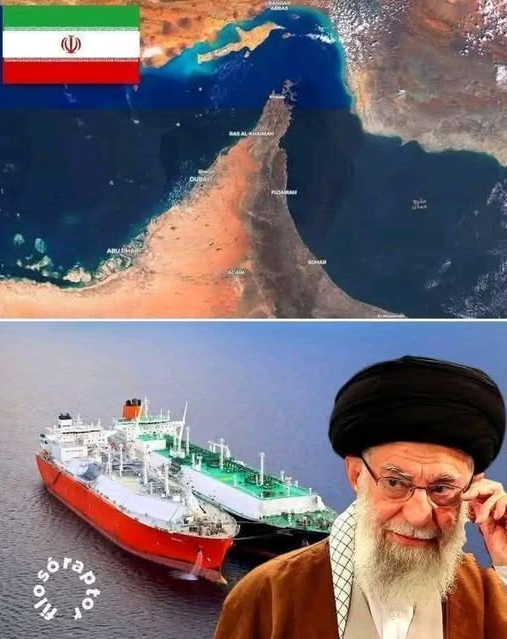
BREAKING: Iranian Parliament Approves the Closure of the Strait of Hormuz? Here’s What It Could Mean
Reports claiming that Iran’s parliament has approved the closure of the Strait of Hormuz have frequently circulated during periods of heightened tensions in the Middle East. If such a decision were ever implemented, it would have major implications for global energy markets, international shipping, and regional security. However, it’s important to note that parliamentary approval alone would not necessarily mean the strait is actually closed. Any such move would depend on decisions by Iran’s national security leadership and would likely face significant international responses.
The Strait of Hormuz is one of the world’s most strategically important waterways. Located between Iran and Oman, the narrow passage connects the Persian Gulf with the Gulf of Oman and the Arabian Sea. It serves as a critical route for oil and liquefied natural gas exports from several Gulf countries, including Saudi Arabia, Iraq, Kuwait, the United Arab Emirates, and Qatar.
Every day, millions of barrels of crude oil and petroleum products pass through the strait aboard large commercial tankers. Because such a significant share of global energy supplies travels through this relatively narrow corridor, any disruption can immediately affect international markets.
If Iran were to attempt to block or significantly restrict maritime traffic through the Strait of Hormuz, oil prices could rise sharply due to concerns about supply disruptions. Financial markets often react quickly to geopolitical uncertainty, and energy traders closely monitor developments involving the region.
Shipping companies would also face difficult decisions. Commercial vessels might delay departures, reroute cargo where possible, or pay substantially higher insurance premiums due to increased risks. Maritime insurers generally reassess coverage whenever tensions increase in strategically important waterways.
Governments around the world would likely respond swiftly. The United States, European allies, and regional partners have long emphasized the importance of maintaining freedom of navigation through international shipping lanes. Naval forces from several countries routinely operate in and around the Gulf to help protect commercial shipping and deter attacks.
Closing the Strait of Hormuz would also have economic consequences for Gulf nations whose economies depend heavily on energy exports. Although some countries have developed alternative pipelines that bypass the strait, those routes cannot fully replace the enormous volume normally transported by sea.
Consumers worldwide could also feel the effects. Rising crude oil prices often contribute to higher gasoline, diesel, aviation fuel, and shipping costs. Businesses facing increased transportation expenses may eventually pass some of those costs on to consumers through higher prices for goods and services.
Natural gas markets could experience similar volatility. Qatar, one of the world’s largest exporters of liquefied natural gas (LNG), ships much of its production through the Strait of Hormuz. Supply concerns could influence electricity prices and industrial energy costs in countries that rely heavily on LNG imports.
Military analysts have long viewed the Strait of Hormuz as one of the world’s most sensitive geopolitical flashpoints. Its narrow shipping lanes make commercial vessels vulnerable to mines, drones, missiles, small attack boats, or other disruptions during periods of conflict.
However, completely closing the strait would be an extraordinarily complex undertaking. International naval forces maintain a significant presence in the region, and the waterway remains subject to international maritime law. Any prolonged disruption would likely prompt extensive diplomatic efforts alongside broader security responses.
History demonstrates that tensions in the Gulf can influence global financial markets almost immediately. Investors often react to uncertainty by shifting toward traditionally safer assets while energy prices fluctuate based on perceived risks to future supplies.
Beyond economics, humanitarian concerns would also arise. Any military escalation affecting commercial shipping could increase risks to civilian sailors, merchant vessels, and nearby coastal communities. International organizations would likely call for restraint and renewed diplomatic negotiations to reduce the possibility of wider conflict.
Energy-importing nations have spent decades attempting to diversify supply sources partly because of the strategic importance of chokepoints like the Strait of Hormuz. Strategic petroleum reserves, expanded domestic production, renewable energy investments, and alternative transportation routes all help reduce vulnerability to sudden supply disruptions.
Meanwhile, shipping companies maintain contingency plans for geopolitical crises. These may include adjusting sailing schedules, increasing onboard security measures, coordinating with naval authorities, and monitoring intelligence updates before entering higher-risk waters.
It is also important to distinguish between political statements, parliamentary resolutions, and actual operational changes. Headlines on social media can sometimes oversimplify or exaggerate complex political developments. Even when lawmakers approve symbolic measures, implementing them may require additional legal, military, or executive decisions.
For this reason, analysts generally advise following official government announcements and reputable news organizations rather than relying solely on viral social media posts.
Diplomatic channels remain central to managing tensions in the Gulf. Regional governments, international organizations, and global powers often engage in intensive negotiations aimed at preventing misunderstandings from escalating into broader confrontations.
Regardless of political disagreements, maintaining secure international shipping routes remains a shared interest for many nations because global trade depends on reliable maritime transportation. Millions of people worldwide indirectly rely on the uninterrupted movement of energy supplies through strategic waterways.
As events continue to develop, governments, businesses, and financial markets will closely monitor official announcements from all parties involved. The Strait of Hormuz will likely remain one of the world’s most closely watched maritime corridors due to its enormous importance for international commerce and global energy security.
Whether tensions increase or diplomatic efforts succeed in reducing risks, developments involving this critical waterway have the potential to influence economies far beyond the Middle East. For now, observers should focus on verified information from official sources while recognizing that headlines alone do not always reflect the full complexity of rapidly evolving geopolitical events.