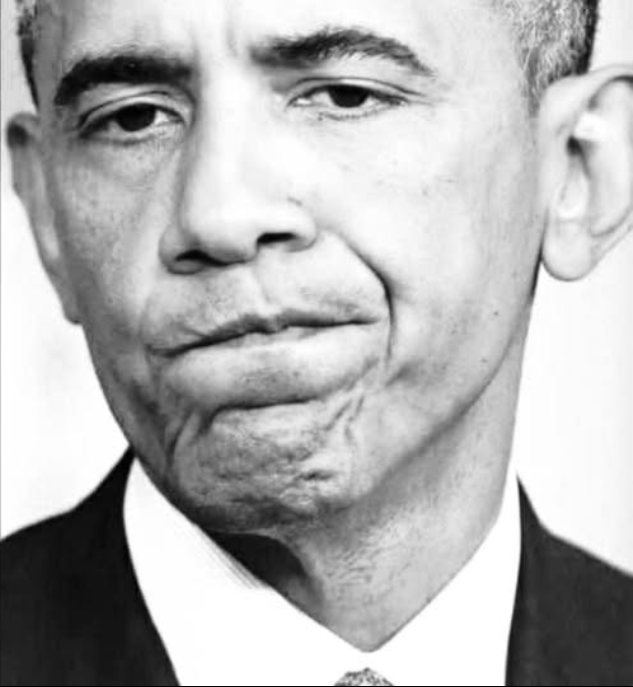
Barack Obama’s Lasting Legacy in American Public Life
Barack Obama remains one of the most recognizable political figures in modern American history. Serving as the 44th President of the United States from 2009 to 2017, Obama made history as the nation’s first African American president. Years after leaving office, he continues to influence public discussions through speeches, charitable work, writing, and the Obama Foundation.
Born on August 4, 1961, in Honolulu, Hawaii, Obama spent parts of his childhood in Hawaii and Indonesia before returning to Hawaii to complete high school. He later graduated from Columbia University and earned a law degree from Harvard Law School, where he became the first Black president of the Harvard Law Review.
Before entering national politics, Obama worked as a community organizer in Chicago and later served as a civil rights attorney and constitutional law lecturer. His ability to connect with diverse audiences and his emphasis on civic engagement quickly established him as a rising figure in the Democratic Party.
In 2004, Obama was elected to the United States Senate representing Illinois. His keynote address at the Democratic National Convention that same year brought him national attention and set the stage for his successful presidential campaign four years later.
Obama won the 2008 presidential election during one of the most challenging economic periods in recent history. His administration focused heavily on responding to the global financial crisis, stabilizing financial markets, and supporting economic recovery.
Among his most significant domestic achievements was the Affordable Care Act, commonly known as Obamacare. The law expanded access to health insurance for millions of Americans and introduced protections for individuals with pre-existing medical conditions.
Throughout his presidency, Obama also emphasized investments in education, clean energy, infrastructure, and scientific research. His administration supported initiatives aimed at increasing college affordability and encouraging innovation across multiple industries.
On the international stage, Obama worked with allies on issues including nuclear security, climate policy, and global public health. His administration negotiated the Paris Climate Agreement and reached a multinational agreement concerning Iran’s nuclear program. In 2009, he was awarded the Nobel Peace Prize, recognizing his efforts to strengthen international diplomacy.
Following his presidency, Obama and former First Lady Michelle Obama established Higher Ground Productions, producing documentaries and feature films that highlight compelling human stories. Several of their projects have received critical acclaim and major industry awards.
The Obama Foundation continues to promote civic leadership through educational programs, fellowships, and community initiatives. The Obama Presidential Center, currently under development in Chicago, is intended to serve as a cultural and educational resource for future generations.
Obama has also authored bestselling books, including Dreams from My Father, The Audacity of Hope, and A Promised Land. These works offer readers insights into his upbringing, political philosophy, and experiences in the White House.
In recent years, Obama has remained active in public life by speaking about democracy, voting participation, leadership, climate change, and opportunities for young people. While he no longer holds elected office, his speeches continue to attract significant public attention.
Supporters praise Obama for his emphasis on unity, diplomacy, and expanding access to health care, while critics have challenged aspects of his domestic and foreign policy decisions. Like many presidents, his legacy continues to be debated by historians, political scientists, and the public.
Regardless of political viewpoint, Barack Obama’s presidency marked a significant chapter in American history. His journey from community organizer to President has inspired countless individuals around the world, and his ongoing work through writing, philanthropy, and civic engagement continues to shape conversations about leadership and public service.