A 9.1-Magnitude Earthquake Triggers a Devastating Tsunami (Fiction)
The peaceful coastal city of Seabridge was transformed in a matter of minutes when a powerful 9.1-magnitude earthquake struck deep beneath the ocean floor just before sunrise. Residents were awakened by intense shaking that rattled windows, cracked roads, and caused buildings to sway. Although many people initially believed the tremors would soon end, emergency alerts quickly warned that a dangerous tsunami was racing toward the coastline.
Sirens echoed through neighborhoods as emergency officials urged everyone living in low-lying areas to evacuate immediately and move to higher ground. Police officers, firefighters, and volunteers went door to door, helping elderly residents, children, and those with limited mobility reach safety before the first waves arrived.
Traffic became congested as thousands of vehicles attempted to leave the waterfront simultaneously. Some people abandoned their cars altogether, continuing on foot when roads became impassable. Others sought refuge in schools, community centers, and emergency shelters that had been designated as evacuation sites.
Less than an hour after the earthquake, the sea suddenly began to recede from the shoreline—an alarming natural warning sign recognized by many coastal residents. Boats were left resting on the exposed seabed as curious onlookers gathered to watch, unaware of the danger approaching.
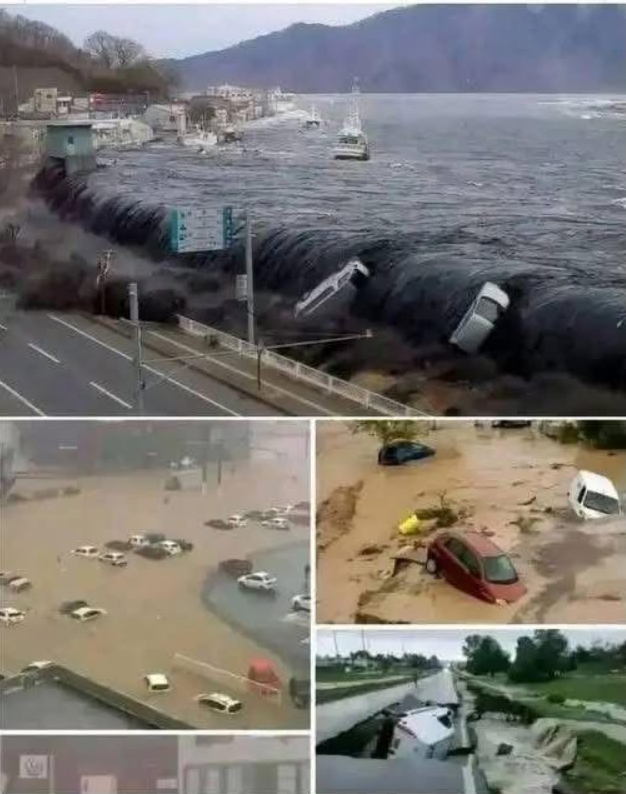
Moments later, a massive wall of water appeared on the horizon. Growing larger as it neared land, the tsunami crashed into the harbor with tremendous force. Fishing boats were swept inland, shipping containers were scattered across streets, and waterfront buildings suffered extensive damage.
Emergency crews who had positioned themselves outside the danger zone immediately began search-and-rescue operations as soon as conditions allowed. Helicopters surveyed flooded neighborhoods while rescue boats navigated submerged streets searching for stranded residents.
Hospitals activated emergency response plans to treat those injured during the disaster. Doctors, nurses, and volunteers worked tirelessly to provide medical care while neighboring communities sent additional supplies, ambulances, and personnel to assist.
Communication networks were severely disrupted. Power outages affected much of the city, while damaged cell towers made it difficult for families to contact loved ones. Emergency radio broadcasts became a critical source of information, providing updates about evacuation routes, shelter locations, and weather conditions.
Despite the destruction, countless acts of courage emerged throughout the day. Neighbors helped one another escape rising waters, first responders risked their own safety to rescue trapped survivors, and volunteers distributed food, blankets, and drinking water to those who had lost everything.
Scientists later explained that powerful undersea earthquakes can displace enormous volumes of seawater, generating tsunami waves capable of traveling across entire ocean basins. While these waves may appear small in deep water, they can grow dramatically in height as they approach shallow coastal areas.
As floodwaters gradually receded, residents returned to heartbreaking scenes of damaged homes, debris-covered streets, and shattered businesses. Recovery would take months, if not years, but community leaders emphasized that rebuilding would begin immediately.
Engineers inspected bridges, schools, hospitals, and public buildings to determine which structures remained safe. Utility crews worked around the clock to restore electricity, clean water, and communication services to affected neighborhoods.
Relief organizations from across the country arrived with emergency supplies, temporary shelters, medical equipment, and counseling services. Donations poured in as people sought ways to support those impacted by the disaster.
Community members organized cleanup efforts, removing debris from streets and helping families salvage treasured belongings. Although many possessions had been lost, the spirit of cooperation reminded everyone that resilience often emerges during the darkest moments.
Experts also stressed the importance of disaster preparedness. Coastal communities with evacuation plans, early warning systems, and regular emergency drills are generally better equipped to respond when natural hazards occur.
As the weeks passed, memorial ceremonies honored those affected while rebuilding efforts focused on creating stronger infrastructure and improving emergency response capabilities. City officials pledged to incorporate lessons learned into future planning, hoping to reduce the impact of similar events.
Though the fictional city of Seabridge endured an unimaginable catastrophe, its people demonstrated remarkable resilience, compassion, and determination. Their recovery became a testament to the strength of communities working together in the face of overwhelming adversity.