The Penis of Older Men Is More… Here’s What Really Changes With Age
As men grow older, it’s natural for their bodies to change, and the penis is no exception. Yet there are countless myths circulating online about what happens with age. Some claims are exaggerated, while others are simply false. Understanding the real changes can help separate fact from fiction.
One of the most noticeable changes is that erections may take longer to achieve than they did during younger years. This doesn’t necessarily mean something is wrong. As men age, blood flow naturally changes, hormone levels gradually decline, and the body’s response to sexual stimulation can become slower. Many healthy older men continue to enjoy satisfying sex lives well into their later years.
Another common change involves firmness. Erections may not feel quite as rigid as they once did, and they may not last as long without continued stimulation. These changes are often a normal part of aging, although persistent erectile difficulties can sometimes be linked to medical conditions such as diabetes, high blood pressure, heart disease, or side effects of certain medications.
Many people are surprised to learn that the penis may appear slightly shorter over time. This can happen because of reduced tissue elasticity, changes in blood circulation, weight gain around the pubic area, or natural aging of connective tissues. In most cases, the change is modest and varies from person to person.
The skin also changes with age. Like the rest of the body, the skin of the penis can become thinner, less elastic, and more prone to dryness. Small wrinkles or changes in pigmentation may develop naturally over the years.
Sensitivity may also change. Some older men report needing more stimulation to reach orgasm, while others notice that orgasms feel somewhat different than they did decades earlier. These differences are generally considered part of normal aging and don’t necessarily reduce sexual satisfaction.
Hormonal changes play a role as well. Testosterone levels gradually decline with age in many men. While this decrease is usually slow, lower testosterone can contribute to reduced libido, lower energy levels, decreased muscle mass, and changes in sexual function. However, not every older man experiences significant hormonal symptoms.
Lifestyle has a tremendous influence on sexual health. Men who stay physically active, maintain a healthy weight, avoid smoking, limit excessive alcohol consumption, and manage chronic medical conditions often experience better sexual function than those with unhealthy lifestyles. Good cardiovascular health is especially important because erections depend on healthy blood flow.
Mental and emotional health matter too. Stress, anxiety, depression, and relationship issues can all affect sexual performance at any age. Open communication with a partner and seeking professional help when needed can often improve both intimacy and confidence.
Regular medical checkups become increasingly important as men age. Erectile changes can sometimes be an early warning sign of cardiovascular disease or other underlying health conditions. Discussing concerns with a healthcare provider allows for appropriate evaluation and treatment if necessary.
Fortunately, there are many effective treatments available for men who experience bothersome erectile dysfunction. Depending on the cause, options may include lifestyle changes, counseling, oral medications, vacuum erection devices, injectable medications, or other therapies recommended by a qualified healthcare professional.
One persistent myth is that older men completely lose interest in sex. In reality, sexual desire varies greatly between individuals. Many older adults remain sexually active and value intimacy throughout their lives. Healthy relationships, emotional connection, and mutual communication often become even more important with age.
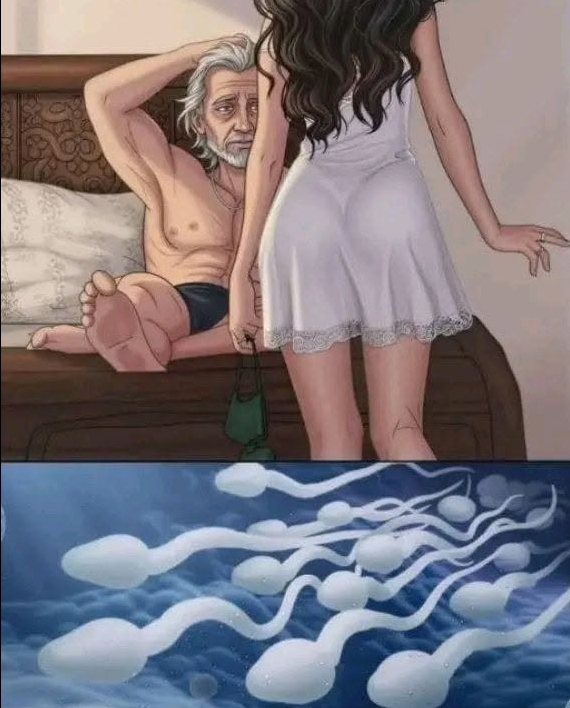
Another misconception is that aging automatically causes infertility. While fertility generally declines over time, many older men continue to produce sperm, although sperm quality may gradually decrease with advancing age.
Ultimately, aging affects every part of the body, including sexual function, but these changes are highly individual. Some men notice only minor differences, while others experience more significant changes due to health conditions rather than age alone. Maintaining a healthy lifestyle, staying physically active, managing chronic illnesses, and seeking medical advice when concerns arise can help support sexual health well into later life.
Growing older does not mean giving up on intimacy. With accurate information, realistic expectations, and proper healthcare, many men continue to enjoy fulfilling relationships and satisfying sexual experiences throughout their senior years.