BREAKING: Iranian Parliament Approves Measure Related to the Strait of Hormuz—What It Could Mean
Reports that “Iranian Parliament approves the closure of the…” often refer to the Strait of Hormuz, one of the world’s most strategically important waterways. While such headlines spread rapidly across social media, it’s important to understand that a parliamentary vote alone does not automatically close the strait. Any such action would require additional decisions by Iran’s leadership and military authorities, and the situation can change quickly.
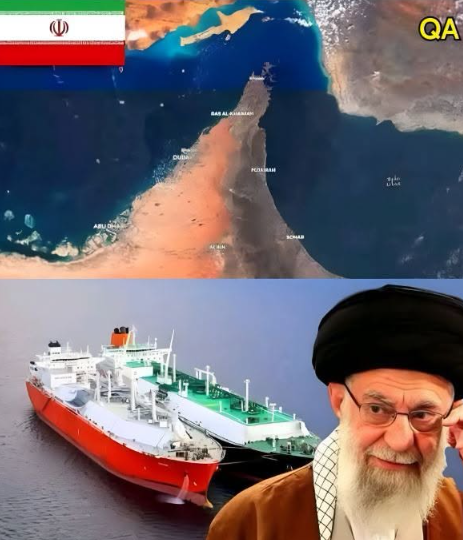
The Strait of Hormuz connects the Persian Gulf to the Gulf of Oman and the Arabian Sea. Although only about 21 miles (34 kilometers) wide at its narrowest point, it serves as a vital shipping lane for global energy markets. Roughly one-fifth of the world’s oil consumption passes through this corridor, making it one of the most important maritime chokepoints on Earth.
Whenever tensions rise in the Middle East, the Strait of Hormuz immediately becomes a focal point. Governments, shipping companies, investors, and energy producers closely monitor developments because any disruption could affect oil supplies, shipping costs, and global markets.
Recent reports indicate that Iran’s parliament has expressed support for measures that could lead to restrictions in the Strait of Hormuz. However, analysts emphasize that such parliamentary approvals are generally viewed as political statements rather than immediate operational decisions. The final authority over significant military actions rests elsewhere within Iran’s governing structure.
The announcement comes amid heightened regional tensions following military exchanges involving Iran, Israel, and the United States. Diplomatic efforts continue alongside increased military readiness across the region, with several nations urging restraint to prevent further escalation.
If the Strait of Hormuz were ever significantly disrupted, the consequences could extend far beyond the Middle East. Oil tankers transporting crude from Saudi Arabia, Iraq, Kuwait, the United Arab Emirates, Qatar, and Iran rely heavily on this narrow passage. Even temporary interruptions could reduce available supplies, increase shipping insurance costs, and contribute to higher fuel prices worldwide.
Financial markets typically react quickly to uncertainty surrounding the strait. Oil prices often rise when investors anticipate possible supply disruptions, while shipping companies may reroute vessels or delay departures until security conditions become clearer.
Many countries have spent years preparing contingency plans for this possibility. Some Gulf nations have invested in pipelines that bypass the Strait of Hormuz, allowing a portion of their oil exports to reach global markets without passing through the waterway. However, these alternatives cannot fully replace the enormous volume of energy normally transported through the strait.
International naval forces also maintain a significant presence in the region. Their missions include protecting commercial shipping, ensuring freedom of navigation, and responding to potential maritime threats. Previous periods of heightened tension have seen increased naval patrols and coordinated operations involving multiple countries.
History shows that threats involving the Strait of Hormuz are not new. Iranian officials have periodically raised the possibility of restricting access during previous disputes over sanctions, military operations, or regional conflicts. Despite these statements, the strait has remained open to international commercial traffic, although isolated incidents involving ship seizures, drone attacks, or tanker damage have occasionally occurred.
Energy experts note that closing the strait would also have economic consequences for Iran itself. Iranian oil exports, along with imports of goods and supplies, depend in part on maritime access through the same waters. As a result, many analysts believe that any prolonged closure would present significant economic challenges for multiple countries in the region.
Beyond oil, the Strait of Hormuz is also essential for the transportation of liquefied natural gas (LNG), particularly exports from Qatar, one of the world’s largest LNG producers. Any interruption could influence natural gas markets, electricity generation costs, and industrial production in countries that rely heavily on imported energy.
Governments around the world are closely monitoring developments and urging diplomatic solutions. International organizations continue to emphasize the importance of maintaining safe navigation and avoiding actions that could further destabilize global trade.
For consumers, one of the most noticeable effects of prolonged uncertainty could be higher gasoline and diesel prices. Fuel markets respond not only to actual supply disruptions but also to expectations of future shortages. Even speculation about possible restrictions can influence prices before any physical interruption occurs.
Businesses involved in transportation, manufacturing, and logistics also pay close attention to developments in the Gulf. Higher energy prices can increase operating costs across numerous industries, eventually affecting the prices consumers pay for a wide range of goods.
Despite the dramatic headlines circulating online, it is important to distinguish between political announcements and confirmed operational actions. Parliamentary approvals, statements from officials, and media reports do not necessarily indicate that shipping has stopped or that the Strait of Hormuz has been closed.
As the situation evolves, governments, international observers, and energy markets will continue assessing both official announcements and real-world developments on the water. Diplomatic negotiations remain active, and many experts hope that continued dialogue will prevent further escalation while preserving the uninterrupted flow of international commerce.
The coming days are likely to be closely watched as policymakers, military leaders, shipping companies, and financial markets respond to new information. Until official operational decisions are confirmed, caution is warranted when interpreting breaking headlines, especially those circulating on social media that may omit important context or overstate immediate developments.