Tragedy in the Skies: Air India Flight AI171 Crashes Shortly After Takeoff from Ahmedabad, Killing 246 with One Miraculous Survivor
In one of the deadliest aviation disasters in recent Indian history, Air India Flight AI171—a Boeing 787-8 Dreamliner bound for London Gatwick—crashed just minutes after departing from Sardar Vallabhbhai Patel International Airport in Ahmedabad, Gujarat, on June 12, 2025. The aircraft was carrying approximately 242 passengers and crew members when it plummeted into a densely populated residential area near the airport, claiming at least 246 lives in total, including victims on the ground.
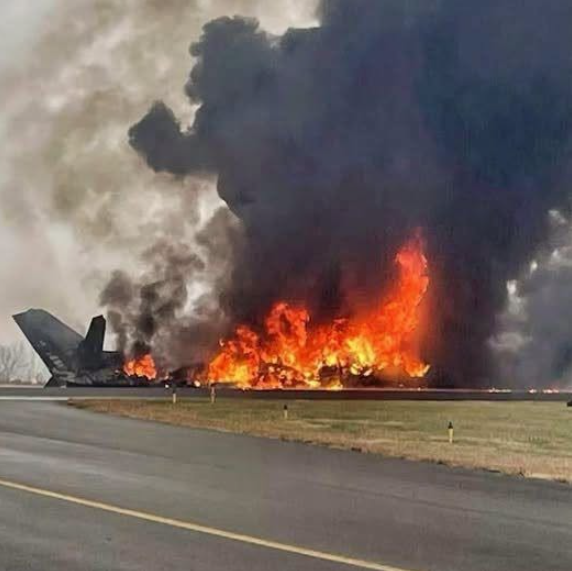
Social media erupted almost immediately with posts screaming headlines like “RIGHT NOW, PLANE WITH MORE THAN 244 ONBOARD JUST CRASH… See more,” capturing the shock and urgency of a nation—and the world—watching in horror as black smoke billowed over Meghani Nagar. Videos and images shared widely showed plumes of fire and emergency crews rushing to the scene. What began as a routine international departure turned into a catastrophe that has left families shattered, investigators scrambling, and aviation experts questioning what went wrong.
The Flight and the Final Moments
Flight AI171 took off from Ahmedabad at around 1:38 p.m. local time, en route to London with a diverse group of passengers: 169 Indian nationals, 53 British, 1 Canadian, and 7 Portuguese, according to Air India statements. The Boeing 787-8 is a modern wide-body jet known for its efficiency and advanced safety features, making the rapid loss of control all the more shocking.
Eyewitnesses reported hearing unusual engine noises or seeing the plane struggle to gain altitude before it veered off course and crashed into buildings approximately five minutes after takeoff. The impact triggered a massive fire, with debris scattered across the residential neighborhood. Firefighters and rescue teams battled intense flames while searching for survivors amid the wreckage.
Tragically, 241 people on board perished, along with five medical students and possibly others on the ground who were in the path of the falling aircraft near a medical college or hospital facility. The confirmed death toll reached 246, marking one of India’s worst air disasters in decades. Yet, in the midst of this devastation, a single passenger survived with injuries but was reported out of immediate danger after hospitalization. His survival remains a focal point of wonder and ongoing medical attention.
Immediate Response and Rescue Efforts
Emergency services in Ahmedabad responded swiftly. Gujarat state officials, including local police, fire brigades, and disaster management teams, descended on the site. Prime Minister Narendra Modi, whose home state is Gujarat, expressed deep condolences and promised a thorough investigation. Air India activated its emergency response protocol, notifying families and providing support hotlines.
Hospitals in the area were placed on high alert, treating the injured and preparing for the grim task of identifying victims. DNA testing and forensic teams were mobilized due to the severity of the crash and fire. The Directorate General of Civil Aviation (DGCA) and international bodies like the U.S. NTSB (given the Boeing aircraft) launched parallel probes.
Investigation Underway: What Caused the Crash?
As of the latest updates, no definitive cause has been confirmed, but investigators are examining several angles:
- Mechanical Failure: Possible engine or systems malfunction in the relatively new Boeing 787.
- Pilot Error or Human Factors: Cockpit voice and flight data recorders (black boxes) were recovered and are being analyzed.
- Bird Strike or External Factors: Common in areas near airports, though unconfirmed.
- Weather Conditions: Reports indicate generally clear conditions, but any anomalies are under review.
- Maintenance History: Routine checks on the aircraft will be scrutinized.
The crash has renewed global conversations about aviation safety standards in India, which has seen significant growth in air travel alongside occasional high-profile incidents. Boeing, Air India, and regulatory authorities will face intense scrutiny in the coming weeks and months.
Human Stories Behind the Numbers
Behind the statistics are hundreds of personal tragedies. Passengers included families traveling to the UK, business professionals, students, and tourists. British nationals among the victims highlight the international dimension, prompting involvement from UK authorities.
The lone survivor’s story offers a sliver of hope amid the grief. Hospital officials described him as stable, though details about his identity and exact circumstances of survival remain limited to protect privacy. For the families of the deceased, the pain is compounded by the suddenness—no warnings, no goodbyes.
Community support in Ahmedabad and across India poured in, with vigils, blood donation drives, and crowdfunding efforts for affected families. In the UK, airports and diaspora communities held moments of silence.
Broader Context: Aviation Safety and India’s Air Travel Boom
India’s aviation sector has expanded rapidly, with millions of passengers flying annually. Air India, now under Tata Group ownership, has undergone modernization, but challenges persist, including infrastructure strain at busy airports like Ahmedabad.
This incident echoes past tragedies, such as historical crashes in India, and draws comparisons to global events. It underscores the importance of:
- Rigorous pilot training and fatigue management.
- Advanced aircraft maintenance and technology.
- Robust emergency response planning, especially near populated areas.
- International cooperation in investigations.
Boeing’s 787 Dreamliner has an excellent overall safety record, but any incident prompts fleet-wide reviews. Airlines worldwide are reviewing procedures for departures from high-density airports.
The Role of Social Media in Breaking News
Viral posts with phrases like “RIGHT NOW, PLANE WITH MORE THAN 244 ONBOARD JUST CRASH” amplified the news instantly. While they spread awareness quickly, they also fueled misinformation, graphic content, and speculation. Authorities urged the public to rely on official sources to avoid compounding trauma for loved ones.
Platforms like Facebook, X, and YouTube became hubs for eyewitness videos showing smoke plumes and rescue operations. Responsible journalism balanced speed with sensitivity, focusing on verified facts rather than unconfirmed rumors.
Lessons and the Path Forward
Aviation remains one of the safest modes of transport statistically, but disasters like this remind us of its unforgiving nature. Every crash leads to improvements—new protocols, better technology, and stricter regulations—that prevent future losses.
For the families, the road to justice and closure will be long. Compensation, memorials, and policy changes may provide some solace. Globally, this event calls for continued investment in safety culture, from manufacturers to operators and regulators.
As investigations progress, the world watches for answers. Why did a modern jet fail so catastrophically? How can such losses be prevented? In the meantime, air travelers are reminded to stay informed, support rigorous oversight, and cherish every safe landing.
The Ahmedabad crash of June 12, 2025, will be remembered not just for the numbers—244 aboard, 246 gone, one survivor—but for the lives interrupted and the resilience shown in response. May the victims rest in peace, and may this tragedy drive meaningful change in aviation safety worldwide.