BREAKING: Iranian Parliament Approves Closure of Key Waterway, Raising Global Concerns
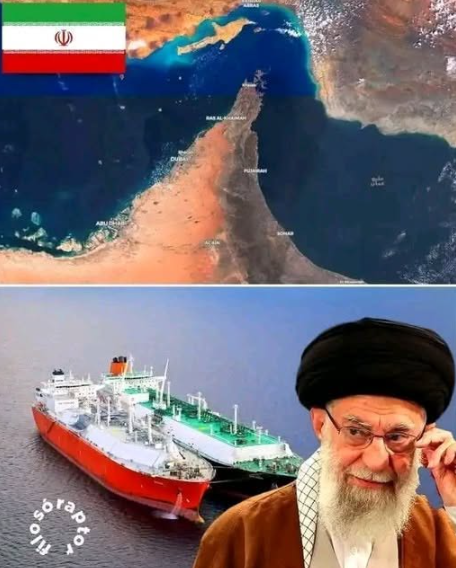
In a dramatic development that has captured international attention, Iran’s parliament has reportedly approved a measure supporting the closure of a major strategic waterway, a move that could have significant implications for global trade, energy markets, and regional security. Although final implementation would still require approval from other branches of Iran’s government and military leadership, the parliamentary vote has already sparked intense reactions from governments, analysts, and financial markets around the world.
The waterway at the center of the debate is widely regarded as one of the most important shipping routes on the planet. A substantial portion of the world’s oil and natural gas exports passes through the narrow corridor each day, connecting producers in the Persian Gulf with consumers across Asia, Europe, and beyond. Any threat to its operation immediately becomes a matter of global economic concern.
Why the Vote Matters
Parliamentary approval does not necessarily mean the route will be closed immediately. However, it represents a powerful political signal. Lawmakers supporting the measure argue that Iran must respond firmly to what they describe as increasing foreign pressure, sanctions, and military threats. Critics warn that even the discussion of closure can increase tensions and create uncertainty in international markets.
Energy traders reacted quickly to the news. Oil prices rose as investors weighed the possibility of disruptions to supply. Shipping companies began reviewing contingency plans, while governments in the region increased monitoring of maritime traffic.
For decades, the strategic waterway has served as a vital artery for global commerce. On an average day, millions of barrels of crude oil and petroleum products transit through the channel. Because there are limited alternative routes capable of handling the same volume, any interruption could affect fuel prices worldwide.
A History of Tension
The possibility of closure has surfaced repeatedly during periods of heightened confrontation between Iran and Western powers. Iranian officials have occasionally suggested that they could restrict access if the country’s own energy exports are blocked. Previous threats, however, did not result in a prolonged shutdown.
Military analysts note that maintaining a complete closure would be extremely difficult. The waterway is heavily monitored by regional navies, international shipping organizations, and major powers with interests in protecting commercial traffic. Nevertheless, even temporary disruptions could have outsized economic effects.
Historically, markets have reacted strongly whenever tensions in the area increase. Insurance costs for vessels often rise, shipping schedules may be altered, and energy importers sometimes seek additional supplies from other regions as a precaution.
What Happens Next?
Following the parliamentary vote, attention now turns to Iran’s executive leadership and security establishment. Under Iran’s political system, major national security decisions typically involve multiple centers of authority. Analysts say the parliamentary action may be intended to strengthen Iran’s negotiating position rather than signal an immediate operational order.
International diplomats are watching closely. Several governments have urged restraint and called for continued dialogue. The United Nations and other international organizations have previously emphasized the importance of keeping major shipping lanes open to ensure global economic stability.
In Washington, European capitals, and Asian energy-importing nations, officials are assessing potential scenarios. Many countries maintain strategic petroleum reserves that can be released if supplies are disrupted. Others are exploring alternative shipping routes and supplier agreements.
Impact on Oil Prices
One of the most immediate effects of the news has been volatility in energy markets. Oil prices often respond not only to actual supply disruptions but also to perceived risk. Traders factor in the possibility that future shipments could face delays, inspections, or security challenges.
Economists caution that sustained price increases can affect transportation costs, manufacturing expenses, and consumer prices. Higher fuel costs tend to ripple through the broader economy, influencing everything from airline tickets to grocery deliveries.
However, some analysts believe the market reaction could moderate if officials signal that commercial traffic will continue to flow normally. In previous regional crises, prices initially surged before stabilizing as shipping operations continued.
Regional Security Concerns
The parliamentary vote also highlights broader security tensions across the Middle East. The Persian Gulf remains one of the world’s most strategically important regions, hosting major energy infrastructure, shipping terminals, and military bases.
Neighboring countries have generally emphasized the need for stability and freedom of navigation. Several regional governments depend heavily on uninterrupted exports through the waterway and therefore have strong incentives to avoid escalation.
Naval forces from multiple countries regularly patrol nearby waters to deter attacks on commercial vessels and maintain secure shipping corridors. Any change in the security environment could lead to increased military activity in the area.
Global Reactions
Early international reactions have been cautious. Diplomatic statements have focused on the importance of avoiding actions that could threaten global commerce. Energy-importing nations in Asia, which rely heavily on Gulf supplies, are particularly sensitive to developments affecting maritime transport.
Shipping industry groups have urged vessel operators to remain alert while continuing normal operations unless official guidance changes. Insurance providers are closely monitoring the situation, as premiums can rise rapidly during periods of geopolitical uncertainty.
Financial markets beyond the energy sector have also responded. Investors often view major disruptions to trade routes as potential risks to economic growth, leading to fluctuations in stock, currency, and commodity markets.
The Bigger Picture
Whether the parliamentary vote ultimately leads to concrete action remains uncertain. Many experts believe the announcement is best understood within the context of ongoing diplomatic, economic, and security disputes involving Iran and several foreign governments.
The episode nevertheless demonstrates how a single political decision in a strategically important region can have worldwide consequences. Modern economies depend on complex supply chains and reliable transportation networks. When a critical chokepoint appears threatened, the effects are felt far beyond the immediate area.
For now, commercial shipping continues, and no full closure has been implemented. But the parliamentary approval has added a new layer of uncertainty to an already tense regional environment. Governments, businesses, and consumers around the world will be watching closely to see whether the move becomes a bargaining tool in future negotiations or develops into a more significant confrontation.
As events continue to unfold, analysts agree on one point: the strategic waterway remains one of the most important pieces of global infrastructure. Any serious disruption there would be felt from fuel stations in North America to factories in Europe and ports across Asia. The coming days and weeks will determine whether the parliamentary vote marks a symbolic political statement or the beginning of a larger geopolitical crisis.
Note: This article is written in a general news-analysis style. The headline appears truncated (“Closure of the E…”), so the piece avoids asserting details that have not been fully confirmed and focuses on the broader implications of reports concerning a strategic maritime route