The Evolution of Style: How Fashion Has Transformed Since 1915
Fashion has always been more than a way to cover the body—it is a reflection of history, culture, technology, and personal identity. Since 1915, clothing has undergone remarkable transformations, influenced by world events, changing social values, economic shifts, and groundbreaking innovations. Every decade has introduced new silhouettes, fabrics, and trends that not only defined an era but also shaped the way people express themselves. Looking back over more than a century reveals an extraordinary journey of creativity and reinvention.
In 1915, fashion was still rooted in elegance and tradition. Women commonly wore long dresses with high necklines and fitted waists, while men dressed in tailored suits, waistcoats, and polished leather shoes. Hats were considered essential accessories for both genders, and dressing formally was expected in most public settings. Clothing was often handmade or custom-tailored, making quality craftsmanship a defining feature of everyday wardrobes.
The outbreak of World War I brought significant changes. As millions of men went to war and women entered factories and workplaces, practicality became more important than elaborate fashion. Women’s skirts became shorter, corsets gradually disappeared, and garments became simpler and easier to move in. Utility replaced extravagance, reflecting the realities of wartime life.
The 1920s marked one of the most revolutionary periods in fashion history. Following the war, society embraced optimism, freedom, and modernity. Women adopted shorter hairstyles, loose-fitting dresses, and dropped waistlines that symbolized independence. Dresses decorated with fringe, beads, and sequins became popular for evening events, while men favored sharp suits paired with stylish hats. Jazz culture, cinema, and dance heavily influenced fashion during this energetic decade.
Economic hardship shaped fashion during the 1930s. The Great Depression forced many families to prioritize durability and affordability over luxury. Designers responded by creating elegant yet practical garments that used less fabric while maintaining sophisticated silhouettes. Hollywood films became a major source of fashion inspiration, allowing people to dream of glamour despite difficult financial circumstances.
World War II transformed fashion once again during the 1940s. Fabric rationing led governments to regulate clothing production, resulting in shorter jackets, narrower skirts, and minimal decorative details. Women’s trousers became more common as they worked in industries traditionally dominated by men. Despite limited resources, people found creative ways to maintain style through accessories, clever tailoring, and resourceful alterations.
The postwar years of the late 1940s and 1950s introduced renewed elegance and luxury. Full skirts, fitted waists, and feminine silhouettes returned, celebrating prosperity and optimism. Men’s fashion also became more refined, featuring tailored suits and polished appearances suitable for the growing middle class. Television, advertising, and celebrity culture expanded the influence of fashion like never before.
The 1960s represented a decade of bold experimentation. Youth culture emerged as a powerful force, challenging traditional norms and encouraging individuality. Bright colors, geometric patterns, mini skirts, and innovative materials reflected society’s growing sense of freedom. Fashion became increasingly connected to music, social movements, and artistic expression, allowing younger generations to shape trends instead of simply following them.
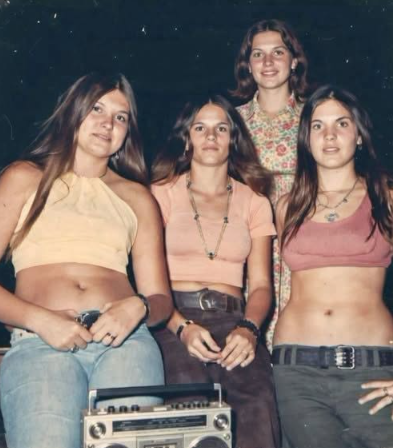
The 1970s celebrated diversity in style. Bell-bottom pants, flowing dresses, denim, platform shoes, and colorful prints reflected influences ranging from disco to bohemian lifestyles. People mixed vintage pieces with contemporary designs, emphasizing personal creativity rather than strict fashion rules. Environmental awareness also began encouraging interest in natural fibers and handcrafted clothing.
Power dressing defined much of the 1980s. Bold shoulder pads, oversized blazers, vibrant colors, and statement accessories reflected confidence and ambition, particularly as more women advanced in professional careers. Athletic wear also gained popularity thanks to the fitness boom, making comfortable clothing acceptable beyond the gym.
Minimalism emerged during the 1990s. Clean lines, neutral colors, simple silhouettes, and casual denim became wardrobe staples. Grunge fashion introduced flannel shirts, combat boots, and layered clothing inspired by alternative music culture. At the same time, luxury brands expanded globally, blending casual comfort with premium quality.
The early 2000s embraced experimentation. Low-rise jeans, graphic T-shirts, cargo pants, and metallic fabrics became common. Pop stars, reality television, and celebrity magazines significantly influenced consumer preferences. Fast fashion expanded rapidly, allowing people to purchase trendy clothing at affordable prices but also contributing to growing concerns about waste and environmental impact.
During the 2010s, fashion became increasingly digital. Social media platforms allowed trends to spread worldwide within hours. Influencers gained enormous power alongside traditional designers and celebrities. Streetwear entered luxury fashion, combining sneakers, hoodies, and casual clothing with high-end brands. Consumers increasingly valued individuality over strict dress codes, creating space for countless personal styles.
Sustainability became one of the defining themes of the late 2010s and early 2020s. Consumers began questioning how clothing was produced and its environmental impact. Vintage shopping, clothing rental services, recycling programs, and ethically produced garments gained popularity. Many designers started using recycled fabrics, organic cotton, and environmentally responsible manufacturing methods.
Technology has also reshaped fashion in remarkable ways. Advanced textiles now provide moisture control, temperature regulation, stretch, and durability unimaginable a century ago. Digital design software accelerates creativity, while online shopping gives consumers access to brands from around the world. Artificial intelligence and virtual fitting tools continue transforming the shopping experience.
Fashion has also become more inclusive. Designers increasingly create collections representing different body types, ages, ethnic backgrounds, and gender identities. Adaptive clothing designed for people with disabilities has expanded accessibility, while campaigns promoting diversity have challenged traditional beauty standards. This broader representation reflects society’s growing appreciation for individuality and equality.
Accessories have evolved alongside clothing. Hats, once considered essential daily wear, are now largely optional fashion statements. Watches have shifted from necessities to luxury items or smart devices. Handbags, shoes, jewelry, and eyewear have become powerful forms of personal expression, often defining an individual’s signature style.
Perhaps the greatest transformation since 1915 is the growing emphasis on personal freedom. Earlier generations often followed strict social expectations regarding dress, with clear distinctions based on class, occupation, and gender. Today, fashion encourages experimentation and self-expression. People freely combine vintage pieces with modern trends, formal garments with casual wear, and luxury brands with thrift-store discoveries.
Looking ahead, fashion will likely continue evolving alongside advances in technology, sustainability, and cultural values. Smart fabrics, wearable technology, and environmentally friendly production methods may redefine what clothing can do while reducing its impact on the planet. At the same time, timeless principles such as quality craftsmanship, creativity, and individuality will remain central to style.
From the tailored elegance of 1915 to the diverse, technology-driven wardrobes of today, fashion has continuously adapted to changing times. Each generation has left its mark, reflecting the hopes, struggles, and aspirations of its era. More than just fabric and design, fashion tells the story of humanity itself—constantly changing, endlessly creative, and always finding new ways to express who we are.