BREAKING: FIFA Refuses Requests from Iran and Egypt to Ban Rainbow Flags at World Cup Match in Seattle
A major controversy unfolded during the 2026 FIFA World Cup after FIFA declined requests from the football federations of Iran and Egypt to prohibit rainbow flags inside the stadium for their group-stage match in Seattle. The decision has sparked international debate, highlighting the ongoing tension between football’s commitment to inclusion and the cultural and political positions of some participating nations.
According to multiple reports, officials from both Iran and Egypt asked FIFA to prevent Pride-related symbols and activities from being associated with their match. The game coincided with Seattle’s annual Pride celebrations, leading local organizers to promote inclusive events throughout the city. FIFA, however, maintained that fans would continue to be allowed to display rainbow flags inside the stadium under its existing Stadium Code of Conduct, which treats such displays as general expressions of human rights rather than political statements.
FIFA also clarified an important distinction: while Seattle’s Pride celebrations took place on the same weekend as the match, they were organized by local groups rather than by FIFA itself. The governing body emphasized that the World Cup fixture was not officially designated by FIFA as a “Pride Match,” even though many media outlets and local organizers referred to it that way.
The disagreement emerged because both Iran and Egypt maintain restrictive laws and policies regarding LGBTQ+ rights. Officials from both football federations reportedly argued that Pride-themed activities conflicted with their cultural and religious values and asked FIFA to ensure that no related promotions formed part of the match environment. FIFA ultimately rejected those requests, saying supporters of all backgrounds are welcome at World Cup matches and that rainbow flags remain permitted under tournament regulations.
Before the match, Iran’s coach, Amir Ghalenoei, largely avoided discussing the controversy. At a press conference, a FIFA official first read a prepared statement explaining that the Iranian delegation wished to answer only football-related questions. When journalists continued asking about the surrounding Pride events, Ghalenoei repeatedly stressed that his team’s focus was solely on the game itself.
Egypt’s delegation adopted a similar approach. Players were instructed not to address questions related to Pride celebrations or LGBTQ+ issues, instead concentrating on football and the importance of advancing in the tournament.
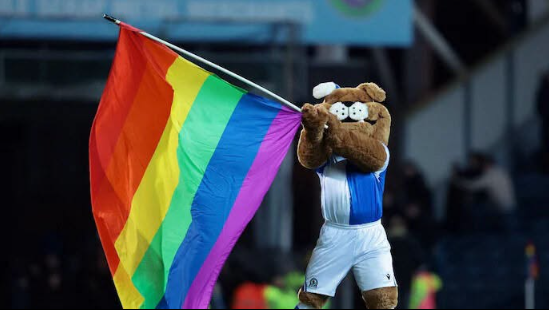
Inside Seattle’s stadium, rainbow flags were visible among the thousands of supporters attending the match. While most fans focused on the football, the colorful displays became one of the day’s most discussed images. Local residents, LGBTQ+ supporters, and international visitors welcomed FIFA’s decision, arguing that everyone should be free to express themselves peacefully while attending sporting events.
Others viewed the issue differently, believing FIFA should have considered the concerns raised by the participating nations. The disagreement reflected a broader debate that has surrounded international football for years: how governing bodies balance universal principles of inclusion with the differing cultural, legal, and religious perspectives of countries competing in global tournaments.
FIFA has increasingly emphasized inclusion in recent years. Its policies generally permit supporters to display rainbow flags provided they comply with stadium safety rules and are not used to incite hatred or violence. Under those guidelines, the organization concluded there was no basis for prohibiting the flags during the Seattle match.
Seattle itself added another dimension to the story. The city has long been known for celebrating Pride Month with parades, festivals, and public events. Because the World Cup fixture happened to coincide with those celebrations, many local organizations planned activities welcoming fans from around the world. FIFA noted that these citywide events were independent of the tournament, even as they occurred alongside it.
Despite the controversy before kickoff, attention eventually shifted back to football once the match began. Both teams competed in a crucial contest with knockout-stage qualification on the line, while the political debate continued largely off the pitch.
The episode illustrates how global sporting events often become forums for wider social and cultural discussions. The FIFA World Cup brings together nations with very different laws, traditions, and viewpoints, making disagreements over issues beyond football almost inevitable.
Whether praised or criticized, FIFA’s decision demonstrated its current policy: expressions such as rainbow flags are permitted inside World Cup stadiums under the tournament’s code of conduct. At the same time, FIFA sought to distance itself from local Pride celebrations, emphasizing that the match remained a football event rather than an officially organized Pride-themed occasion.
As the 2026 World Cup continues, the Seattle controversy is likely to remain one of the tournament’s most widely discussed off-field stories. It serves as another reminder that football’s biggest competition often reflects not only sporting rivalries but also broader conversations about human rights, inclusion, cultural identity, and the role of international sport in an increasingly interconnected world.