If You Have These Two Holes in Your Back, It Means… See More
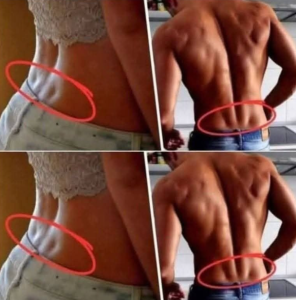
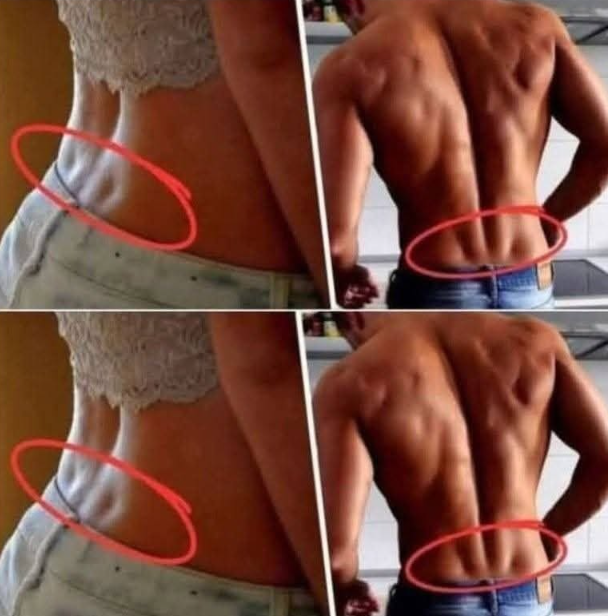
Have you ever noticed two small indentations on the lower part of your back, just above your hips? If so, you’re not alone. These little “holes,” often called dimples of Venus in women and dimples of Apollo in men, have sparked curiosity for generations. Social media posts often claim they reveal hidden secrets about your health, beauty, or even your personality. But what do they really mean?
The truth is both simpler and more fascinating than many viral posts suggest.
These dimples are natural indentations that appear where the skin is connected to the underlying pelvic bone by short ligaments. Because of the way these ligaments attach, some people develop visible dimples while others don’t. They are entirely normal and are considered a natural variation of human anatomy.
One of the biggest myths is that these dimples indicate superior health or athletic ability. In reality, having them—or not having them—doesn’t determine your physical fitness, strength, or overall wellness. They are primarily inherited through genetics. If one or both of your parents have them, there’s a greater chance you may have them as well.
Another common misconception is that these dimples only appear in slim individuals. While they are often more noticeable in people with lower body fat, they can exist in people of all shapes and sizes. Weight changes may make them more or less visible, but the underlying anatomical structure remains the same.
Throughout history, these dimples have often been associated with beauty. Ancient artists frequently emphasized them in sculptures and paintings because they highlighted the natural curves of the human body. Today, many fashion photographers and fitness models showcase them, leading some people to believe they are rare or exclusive. In reality, millions of people around the world have these dimples.
Some internet posts also claim that people with these dimples have better circulation or experience greater physical pleasure. However, there is no strong scientific evidence supporting these claims. While the dimples are located near important muscles and joints, they do not directly influence how your body functions in those ways.
Doctors generally view these dimples as harmless. In fact, healthcare professionals sometimes use them as anatomical landmarks when examining the lower back or performing certain medical procedures because they help identify the position of the pelvis.
Occasionally, parents notice similar dimples on the lower backs of newborn babies. Most are completely harmless, but if a baby has a deep dimple located directly over the spine, especially if it’s accompanied by unusual skin changes, a pediatrician may recommend further evaluation. This is different from the common dimples of Venus found in adults.
Many fitness enthusiasts hope to develop these dimples through exercise. While strengthening your core and reducing body fat can make existing dimples more visible, no workout can create them if your anatomy doesn’t naturally include them. Their presence depends on the structure of your ligaments rather than muscle development.
Social media has also fueled countless exaggerated claims, suggesting these dimples reveal hidden personality traits, exceptional intelligence, or extraordinary luck. These stories may be entertaining, but they have no scientific basis. Your character and abilities are shaped by countless factors—not by two small indentations on your back.
Interestingly, some cosmetic procedures now advertise ways to create artificial back dimples. This growing trend reflects how beauty standards evolve over time. However, medical experts emphasize that such procedures should be approached carefully, as every surgery carries potential risks.
If you’ve recently noticed these dimples becoming more visible, it’s often due to natural changes in body composition. As people lose weight or become more physically active, the surrounding tissue may become leaner, making the dimples easier to see. Conversely, gaining weight may make them less noticeable without changing the underlying anatomy.
The lower back itself plays an important role in supporting posture, movement, and stability. Whether or not you have dimples, maintaining a strong core, staying active, and practicing good posture are far more important for spinal health than any physical feature.
Ultimately, these two little indentations are simply one of the many ways human bodies differ from one another. Like freckles, attached or unattached earlobes, or dimples in the cheeks, they represent natural genetic variation rather than a sign of something extraordinary.
So, if you have these two holes in your back, what does it really mean? It most likely means you inherited a unique anatomical feature that many people find aesthetically appealing. It doesn’t guarantee better health, special talents, or hidden abilities—but it does make your body uniquely yours.
The next time you see a viral headline claiming these dimples reveal incredible secrets, remember that the real story is rooted in anatomy rather than myth. Sometimes, the truth is just as interesting: our bodies are wonderfully diverse, and small details like these remind us that there is no single definition of normal or beautiful.