BREAKING NEWS: U.S. Officials Say Russia Is Giving Iran Intelligence — Escalating Global Tensions
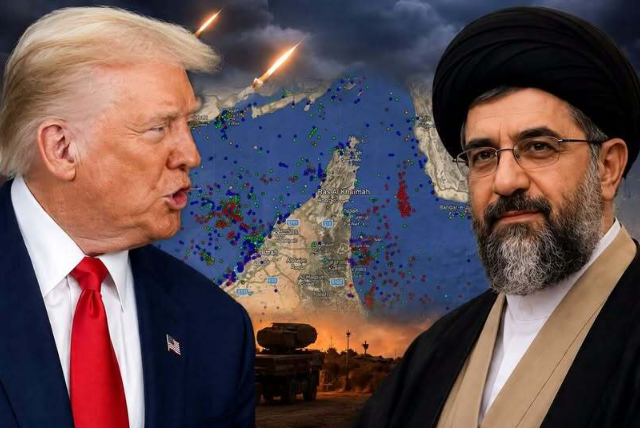
A dramatic development in international affairs has sparked concern among military analysts and government officials worldwide. According to multiple reports citing U.S. intelligence officials, Russia has allegedly been providing Iran with intelligence information that could help Tehran track and potentially target American military assets operating in the Middle East.
The reports claim that the information shared may include the locations of U.S. warships, military aircraft, and other strategic assets in the region. If accurate, the allegations would represent one of the most significant examples of cooperation between Russia and Iran during the ongoing regional conflict.
According to officials familiar with intelligence assessments, the information supplied by Russia could improve Iran’s ability to monitor U.S. military movements. However, American officials have also stated that they have not found evidence that Russia is directly instructing Iran on how to use the information.
The allegations emerged amid an already tense geopolitical environment. The Middle East has experienced months of instability, military confrontations, and diplomatic disputes involving several major powers. Analysts warn that any additional involvement by outside nations could further complicate efforts to reduce tensions and restore stability.
Military experts note that intelligence sharing can significantly influence modern warfare. Information regarding troop movements, aircraft deployments, naval operations, and logistical support can provide strategic advantages. Even when intelligence does not directly determine military decisions, it can help nations improve situational awareness and better understand the activities of potential adversaries.
The reports have attracted widespread attention because Russia and Iran have maintained increasingly close relations in recent years. The two nations have cooperated on various political, economic, and security matters, particularly in response to Western sanctions and diplomatic pressure. While cooperation between the countries is not new, allegations involving military intelligence sharing carry potentially serious implications.
The Pentagon has responded cautiously to the reports. U.S. Defense Secretary Pete Hegseth stated that American military leaders are aware of ongoing communications and activities involving foreign governments and emphasized that U.S. commanders continuously monitor potential threats. He also indicated that the United States is capable of adjusting its operations as necessary to protect personnel and assets.
Meanwhile, officials within the administration have attempted to downplay suggestions that the reported intelligence sharing has significantly altered military operations. Some officials argue that U.S. forces maintain extensive surveillance capabilities and remain fully prepared to respond to evolving threats in the region.
International observers are paying close attention to how the situation develops. Any confirmation of systematic intelligence sharing between Russia and Iran could affect diplomatic relations between major powers and potentially influence ongoing negotiations related to regional security and nuclear issues.
The timing is particularly notable because discussions concerning Iran’s nuclear program have continued despite military tensions. U.S. Secretary of State Marco Rubio recently stated that Iran has shown some willingness to discuss aspects of its nuclear activities, although significant disagreements remain. Negotiations have faced repeated setbacks, and both sides continue to express concerns regarding security and compliance.
Some analysts believe the allegations could complicate those diplomatic efforts. Trust is often a critical component of successful negotiations, and accusations involving intelligence cooperation may make it more difficult for parties to find common ground.
At the same time, experts caution that intelligence reports should be evaluated carefully. Public information about intelligence assessments is often limited, and governments rarely disclose all underlying evidence. As a result, some details may remain classified or subject to further verification.
Nevertheless, the story has generated significant discussion among policymakers, military strategists, and international relations experts. Questions remain regarding the extent of the alleged intelligence sharing, how long it may have been occurring, and what impact it may have had on events in the region.
For now, the reports suggest that U.S. officials believe Russia has provided information that could assist Iran in tracking American military assets, including ships and aircraft operating throughout the Middle East. Multiple major news organizations have reported similar claims based on statements from officials familiar with the intelligence.
As governments continue to assess the situation, observers around the world will be watching closely for additional evidence, official statements, and potential diplomatic responses. Whether the allegations lead to new tensions, policy changes, or further negotiations remains uncertain, but the reports underscore how interconnected and fragile global security dynamics have become in an increasingly complex international landscape